


New national research reveals the sad truth following a year of bad habits picked up as a result of working from unprepared, haphazard home office set-ups, according to a UK study carried out by Logitech.
As the future of hybrid working is predicted to stay, the UK’s biggest employers are embracing a mix of home and office working, meaning Brits will be required to find long-term ergonomic solutions to flexible, remote working.
Pandemic Postures
Although it may be a year since the first lockdown, nearly a third (29%) of millennials admit that their living room couch is the most common ‘desk’ they’ve used since working from home during the pandemic.
A quarter of people surveyed (25%) have adapted the kitchen counter into a make-shift desk, of which a participant has even gone so far as to say “The breakfast bar is my adapted work-from-home set up, I even use a saucepan as my laptop stand.”
While one in six (17%) prefer the comfort of their bed for home working, “I’ve been working from my bed as it’s the only room in the house which will always be quiet,” commented another survey participant. Lower back pain was voted in as the most common WFH strain, with around 1 in 4 respondents experiencing the pain regularly.
Makeshift Home Offices
As reported in the study, on average 60% of UK employees expect their employer to contribute towards a professional working from home set-up. To help prevent pandemic postures and aches, as well increasing productivity and a better work-life balance.

Those from London had spent the most ‘upgrading’ their set-up – averaging at £538 vs the national average of £419. Chairs, desk, headset, headphones and computer mouse, are the most common pieces of equipment bought by employees.
“After a year of predominantly virtual living, not only are we spending more hours than ever on our computers, but the nation has been forced to unexpectedly adapt their homes into working environments leaving many of us huddled on beds, couches and kitchen stools for hours at a time. This research clearly shows we are a nation in decline when it comes to bad postures, productivity and body pain.” says Clara Torvisco Marquez, UK Category and Marketing Manager at Logitech.
More from News
- England’s New Tourist Tax Has No National Cap – What Does That Mean For Hospitality Businesses?
- The EU Cyber Resilience Act Starts Today: Can Businesses Really Report A Cyberattack In 24 Hours?
- Can Binge-Watching Be Addictive By Design? Inside The State Lawsuit Against Netflix
- Could Australia’s Proposed Algorithm Rule Break The Current Echo Chamber That Is Social Media Today?
- PASS Announces Schedule Hero: AI-Powered Scheduling Built For Home Care
- Portal26 Launches Recon: Ask Any Plain Language Question To Deliver Immediate, Actionable Answers To Any Question About AI Use In The Enterprise
- When AI Goes AWOL: What Should We Conclude From ChatGPT, Claude And Grok’s Simultaneous Outage?
- Will Mandatory App Redesigns Replace Fines As The EU’s Main Weapon Against Big Tech?
Health and wellbeing experts Dr Shireen and Natasha Binnie have recommended the following tips to improve physical and mental wellbeing when working from home:
- Don’t work from the bed as it has been shown to increase the risk of developing sleep disorders
- Position your desk in front of a window – getting natural light during working hours improves mood and motivation
- Write SMART (Specific, Reasonable, Achievable, Relevant, Time-bound) goals and to do lists in order to feel on top of your work and in control of your day
- Use the Pomodoro technique for taking breaks: 25 minutes of work followed by 5 minutes of breaks – repeat 4 times and then take a 30 minute break
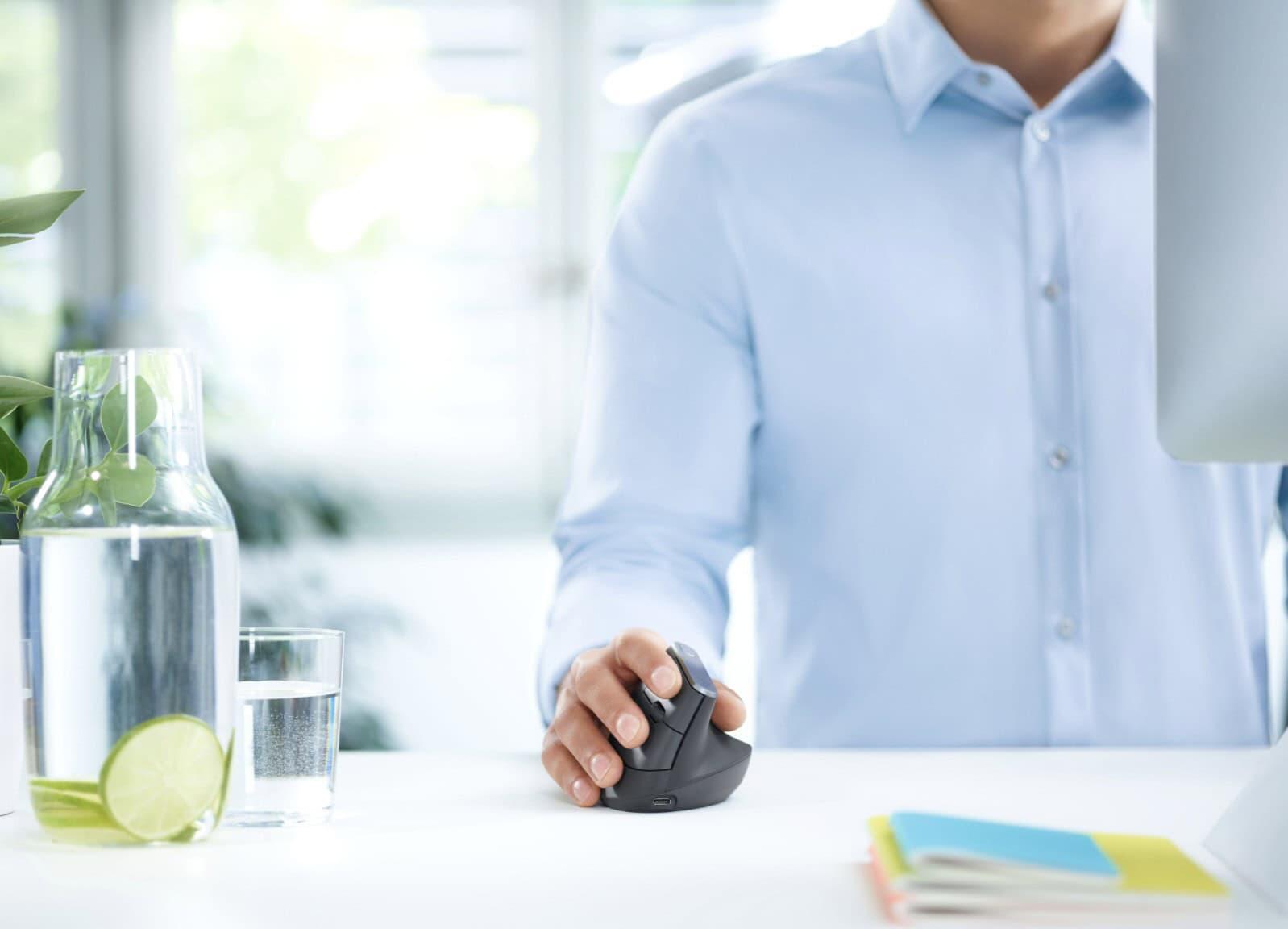
- Using an ergonomic mouse such as the Logitech M575 or MX Vertical keeps your wrist straight and reduces the need to move your arm, helping to reduce the risk of RSI


