


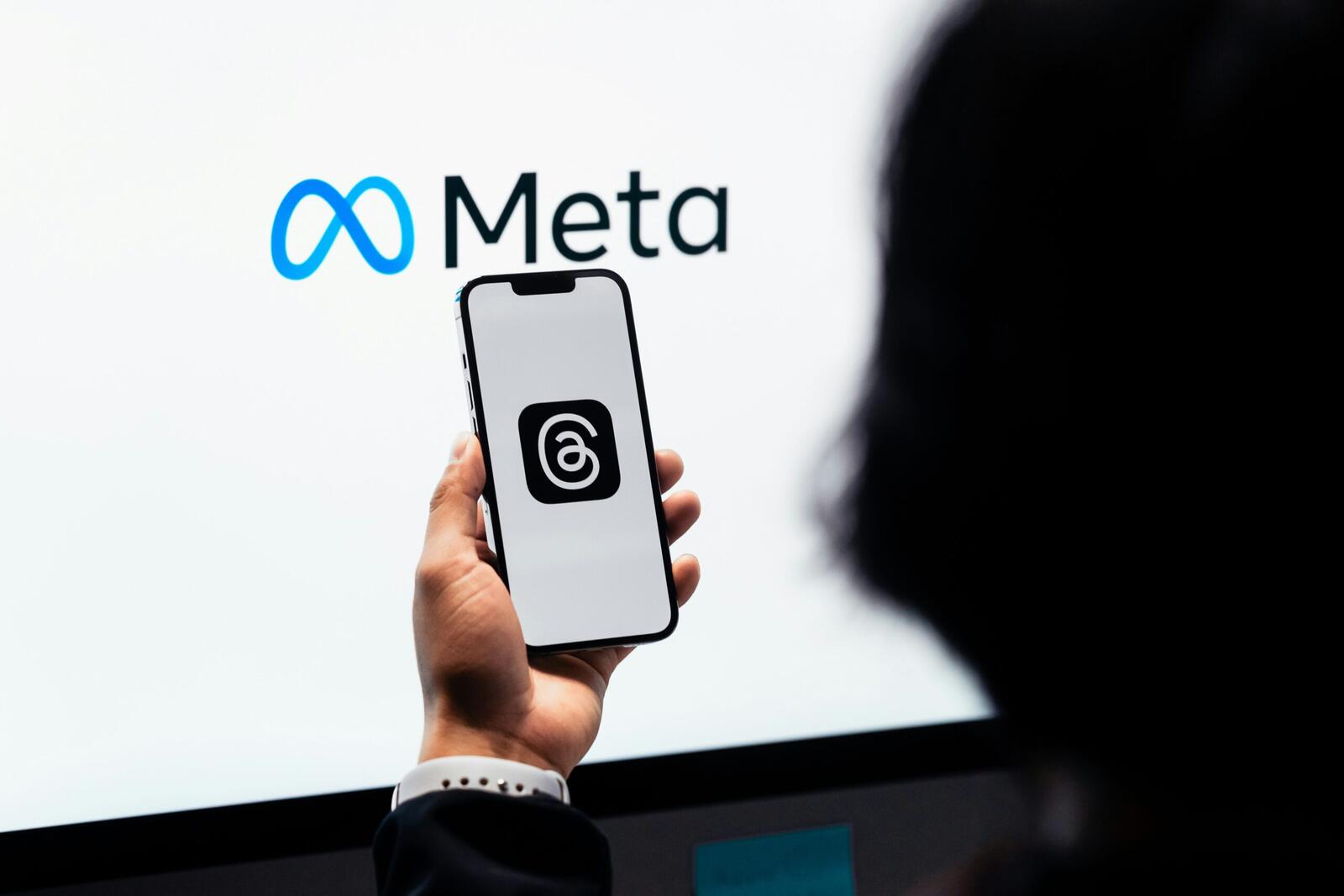
Barely a year after pausing its earlier plan, Meta will gather public posts from adults in the European Union to train its AI. Comments, images, and chatbot queries are all included. Company leaders previously seemed uneasy about using personal data from this region, partly because the legal space can be strict. Now, they have decided to press forward.
They intend to honour local languages, jokes, and expressions. Gathering these details might help chatbots and other tools feel more natural. Users under 18 are not part of the plan, and private chats between relatives or friends remain off the table.
The firm had put a hold on these activities when privacy watchdogs insisted on proper compliance. That pause is now over. Official direction from December gave them the green light to process public content in line with local rules. Many people are curious about how quickly this plan will roll out.
This plan lines up with techniques used by Google and ChatGPT creator OpenAI. Those businesses collect data from people across Europe to strengthen their machine-learning models.
More from News
- A “Power Event” At Google Cloud’s London Region Affected Revolut And European Banks – What Happened?
- Anchor Launches Action Index, Cutting Computer-Use Agent Token Costs By 100X
- Anthropic Selects Build Circle As A UK Partner To Help Supercharge AI Realisation For Clients
- An OpenAI Engineer Is Charged Over A $14 Recording Device – What Does It Say About Security At AI Labs?
- Mhance Acquires CPS And City Dynamics To Strengthen Its Copilot, Modern Work And Business Solutions Capabilities
- What Can Startups Learn From HSBC’s AI-Driven Job Cuts?
- Moterra AI Achieves Select Partner Tier In Anthropic’s Claude Partner Network
- GoDaddy Launches Web App Hosting With API For AI Coding Tools
How Can People In The EU Object?
People across the region are free to say no if they dislike having posts scanned. Meta has created a form for these objections. It can be submitted whenever a user wishes, which places control firmly in each person’s hands.
Anyone who filled that form in the past does not have to do it again. The document promises that future training sets will exclude anything shared from those who have objected. Meta states it wants this option to be plain to see, letting individuals decide on their own terms.
Messages exchanged between friends and family do not factor into these training tasks. Private chats remain off-limits, which reassures anyone uneasy about personal content winding up in company servers. People younger than 18 are also not part of these data sets.
Notifications will appear in emails and inside Meta’s apps, explaining how public posts and chatbot conversations might be gathered. Each notice includes a link to the online form, where individuals can object if they choose. The company hopes this creates transparent interaction and starts open dialogue.
Activists across Europe have always felt unease in the past, saying that social media content should not be treated as raw material for automated systems. They claim that many individuals share personal stories without realising that those words could be stored or processed. The debate is active, with privacy laws designed to prevent social platforms from becoming a free-for-all for AI developers.
Could This Affect People Outside Europe?
These kinds of technological changes ripple worldwide. When huge social platforms gather data on a grand scale, individuals in distant places pay attention and wonder if the same tactics might appear elsewhere. Meta’s new plan shows how a large digital service can stay within legal boundaries while pursuing AI achievements.
Google and OpenAI already feed on European material for their chat engines. That practice has made people curious about privacy, ownership of personal content, and user consent. Meta feels it has taken earlier disputes into account and is eager to explain every stage of its data usage.


