


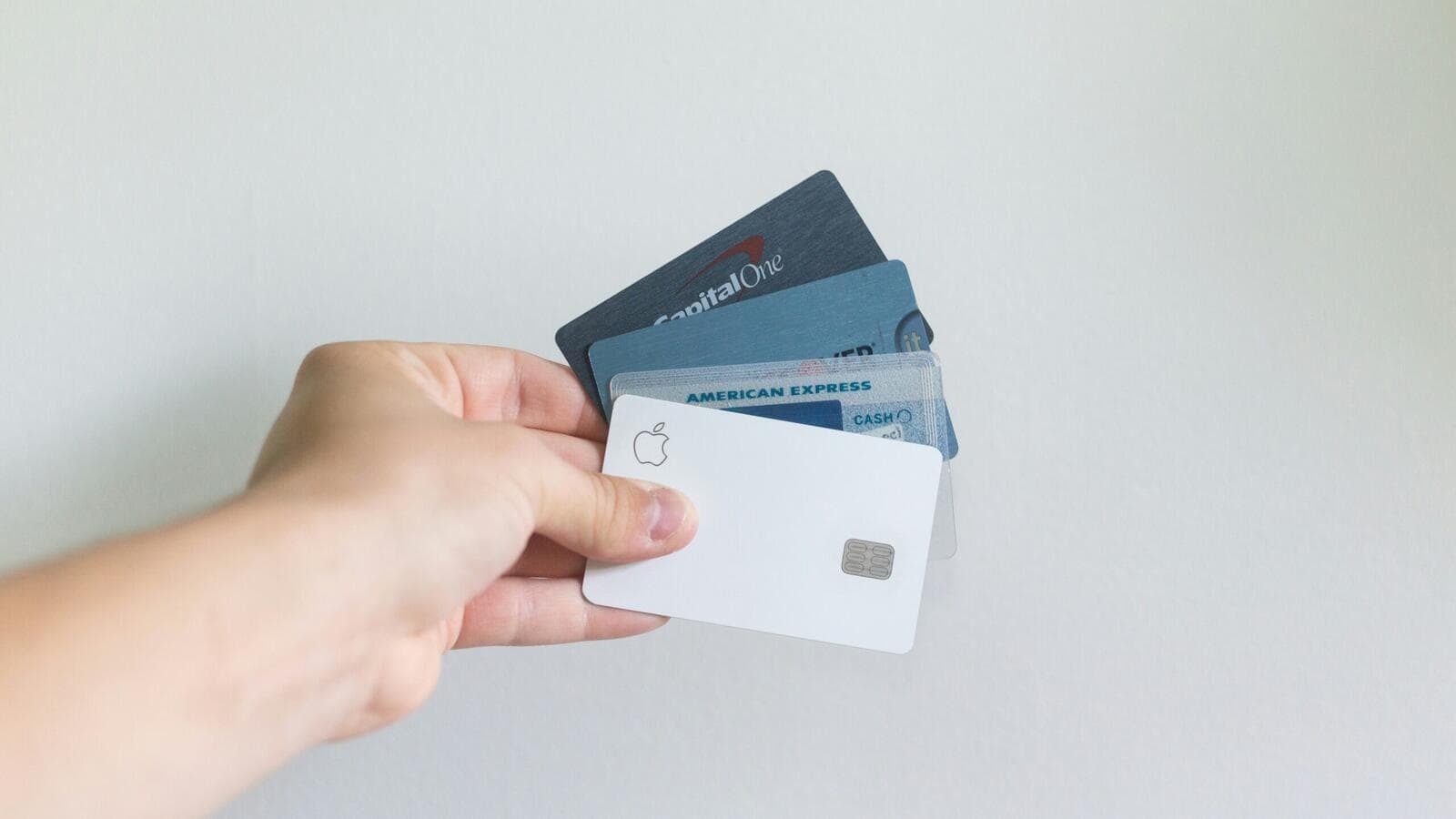
A new study from Updraft reports the average Brit spends £236 a month on purchases driven purely by emotion. That adds up to £2,832 a year. The research names this behaviour “dopamine tapping” which essentially is the quick mood effect people feel when they tap a card or phone to pay.
Updraft says spending is now so frictionless that the act of paying itself can trigger a brief rush. Contactless cards, Apple Pay and guest checkout options have removed the pause that once came with handing over cash or typing in details. The company’s latest TV advert shows how debt builds quietly through everyday taps rather than one large purchase.
The survey of 1,500 UK adults ranked emotions by their average monthly cost. Happiness came first at £297 a month, followed by anger at £274 and loneliness at £254. Anxiety came in at £245, boredom at £229, sadness at £221 and stress at £218. Even people who did not connect spending to a specific feeling reported £167 a month on general feel good purchases.
Dr Pavlo Kanellakis, Fellow of the British Psychological Society, told Updraft that modern shopping requires skills many people were never taught. He said, “When the fastest route to feeling better is also the easiest transaction to complete, we need more advanced emotional management capabilities, not fewer. This isn’t about pathologising normal behaviour; it’s about recognising that navigating today’s shopping environment requires intentional skill development.”
How Is Emotional Spending Connected To Debt?
Updraft also surveyed 1,170 UK adults who have experienced credit card debt. In that group, 45% said dopamine tapping contributed to their debt. Of that total, 12% said it was the sole reason they went into debt and 33% said it was one of the reasons. Only 24% said they had never spent money to feel better.
When asked which emotions most often led to spending that resulted in credit debt, 25% named boredom. Stress and happiness were each cited by 21%, anxiety by 15%, sadness by 12% and loneliness by 6%. The findings show that spending tied to good moods can be just as costly as spending tied to low moods.
More from News
- US Petrol Prices Are Over $4 For The First Time Since 2022 – Is It Too Late For Recovery?
- Diverse Startup Boards Are More Likely To Succeed – What’s Driving The Advantage?
- Let’s Talk About The White House App: Informative, Intrusive Or Irrelevant?
- 75% Of Fans Oppose VAR As Experts Analyse The Technology Behind It
- How Much Are UK Households Spending On Subscriptions Each Month?
- Indonesia Is The Next Country To Introduce Social Media Bans For Teens
- WTF At Work? New Research Shows UK Staff Trapped In Tech Frustration
- How Does The EU Data Breach Impact The UK?
Participants also identified life events that made impulse purchases more likely. Updraft found that 46% spent due to stress or anxiety fuelled by work. Relationship problems were cited by 31%, grief or loss by 27% and negative feelings after using social media by 11%.
The purchases themselves were often small and frequent. Food and drink accounted for 32% of spending, clothes and accessories 27%, experiences 17%, tech 10% and entertainment 6%. Updraft says these purchases are easy to justify, which makes them harder to track.
Does January’s “New Year, New Me” Actually Make The Problem Worse?
January is known as a month when people try to cut back on habits such as drinking, smoking or gambling. Updraft wanted to know if quitting one habit led to another. Its research found that 25% of Brits said their spending went up after they cut out or reduced an unhealthy habit.
For those whose spending increased, more than 70% spent an extra £100 to £299 a month. Nearly 1 in 5 spent £300 or more, and 1 in 20 reported an extra £1,000 or more each month. Using midpoint analysis, Updraft calculated the average monthly increase at £399.
The company describes this as behavioural substitution, a psychological process where one coping mechanism replaces another. When asked how they felt about replacing old habits with spending, 36% said they were unsure and 33% believed it was acceptable in moderation. 23% said it was becoming another problem. Just 8% viewed it as a healthier alternative.
Updraft founder Aseem Mushi is calling for a pause at the point of payment. He said, “Research shows that emotional spending often happens in small, everyday moments. When payments are quick and effortless, it’s often easy to lose sight of how much we’re spending and why.”
He added, “By pausing before you tap, identifying the emotion behind the purchase and replacing the habit with a healthier substance instead of simply removing it, people can start to break the cycle of impulsive spending without creating an emotional gap.”