


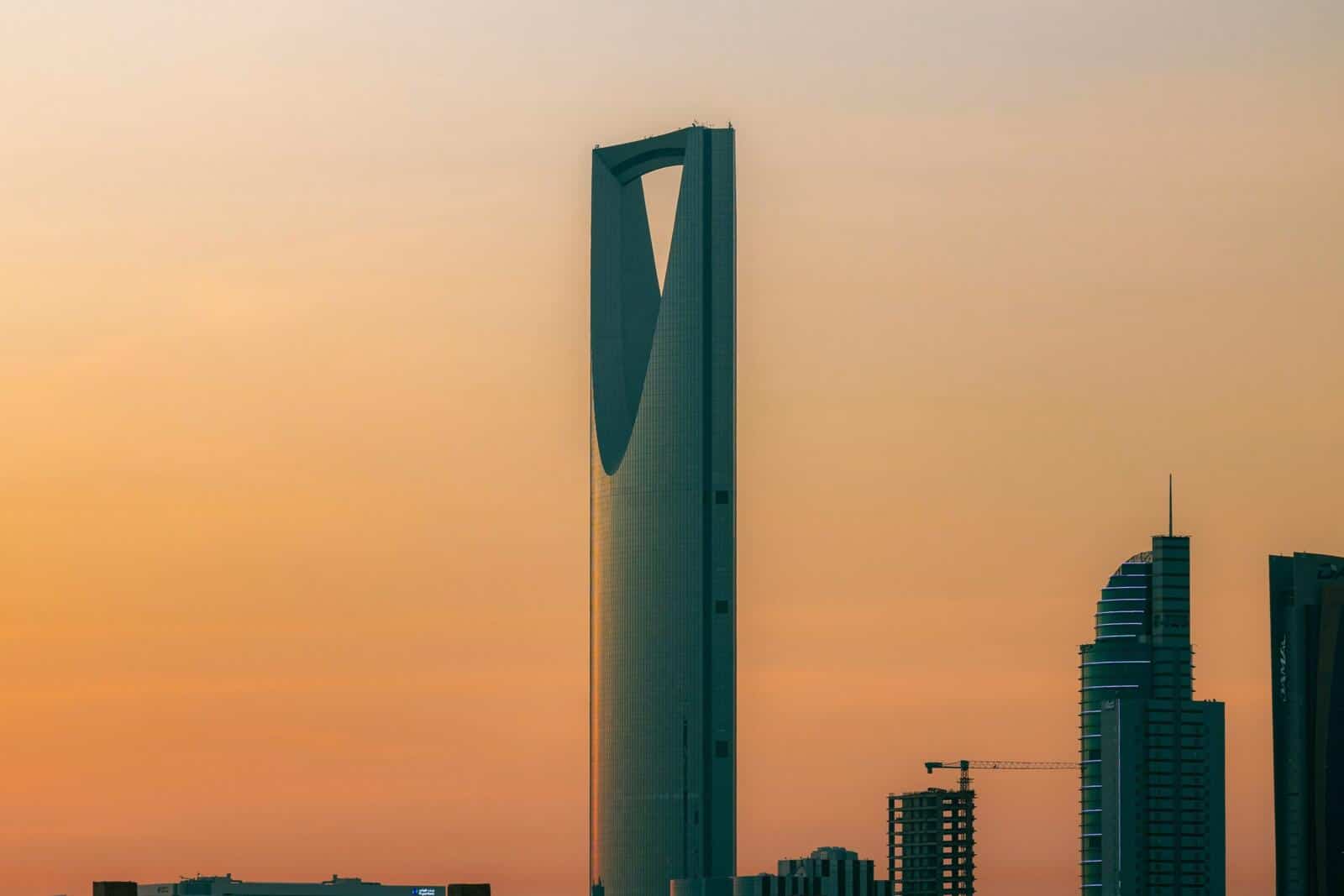
For years, conversations about residency programmes in the Middle East began and ended with Dubai. To be honest, a great deal of what people spoke about in relation to the Middle East was centred on Dubai.
But, this is no longer the case. Saudi Arabia is now pushing itself into the spotlight – not just as an oil heavyweight, but as a serious destination for global capital, entrepreneurs and technology investment.
Under its Vision 2030 strategy, the Kingdom has expanded its Premium Residency Programme, including a Lifetime Unlimited Premium Residency option for qualified investors. Unlike many residency-by-investment schemes around the world, this one comes with no physical presence requirement to maintain status. That flexibility alone makes it one of the more interesting long-term residency offers currently emerging from the region.
But, the bigger story isn’t just the visa itself.
Saudi Arabia is actively reshaping its economy, opening up previously restricted markets and positioning itself as a future hub for digital transformation. For startups and investors, the residency offer is starting to look less like a luxury perk and more like part of a much wider economic strategy – one that could prove to be incredible successful going forward.
What Does the Premium Residency Actually Offer?
Saudi Arabia’s Premium Residency is often described as the Kingdom’s version of a “golden visa”, designed to attract foreign investors, skilled workers and entrepreneurs. It gives eligible applicants the right to live, work and invest in Saudi Arabia without requiring a local sponsor – a major shift in a region where sponsorship has traditionally been central to residency and employment.
The Premium Residency Programme includes multiple pathways, with some tailored toward entrepreneurs and investors. The Lifetime Unlimited Premium Residency is typically linked to a one-time payment model, granting permanent residency status without renewal requirements.
The programme is also tied to rights that have historically been difficult for foreigners to access in Saudi Arabia, including greater freedom around business ownership, employment flexibility and the ability to sponsor family members under a single residency framework. In some cases, Premium Residency holders may also gain access to property ownership rights, depending on the residency category and regulatory conditions.
This is what makes the offer particularly notable: it is not just a visa stamp, but a structural change in how Saudi Arabia is approaching long-term foreign participation in its economy.
More from News
- US Petrol Prices Are Over $4 For The First Time Since 2022 – Is It Too Late For Recovery?
- Diverse Startup Boards Are More Likely To Succeed – What’s Driving The Advantage?
- Let’s Talk About The White House App: Informative, Intrusive Or Irrelevant?
- 75% Of Fans Oppose VAR As Experts Analyse The Technology Behind It
- How Much Are UK Households Spending On Subscriptions Each Month?
- Indonesia Is The Next Country To Introduce Social Media Bans For Teens
- WTF At Work? New Research Shows UK Staff Trapped In Tech Frustration
- How Does The EU Data Breach Impact The UK?
A Strategic Push for Investment and Global Capital
The timing of this new residency push is no coincidence.
Saudi Arabia’s Vision 2030 programme has been driving a long-term effort to reduce dependency on oil revenues and expand growth in sectors such as tourism, finance, logistics and technology. The Kingdom has been investing heavily in digital infrastructure and AI development, and officials have repeatedly signalled ambitions to become a global leader in emerging technologies.
At the same time, Saudi Arabia has been working to make its investment environment more accessible. The Tadawul stock exchange has been opened further to foreign participation, while foreign ownership rules in real estate have also shifted, signalling a clear willingness to compete for international capital.
Considering all these things together, these changes paint a broader picture. Saudi Arabia isn’t simply offering residency as a lifestyle incentive. In fact, it’s using residency as a lever to encourage investment, entrepreneurship and long-term economic integration.
Here’s Why This Matters for Startups and Tech Founders
Now, the Premium Residency story becomes especially relevant when you look at the bigger startup landscape.
Residency options can be a major factor for founders deciding where to build, expand or relocate. Access to long-term legal status can reduce friction when opening bank accounts, hiring teams, setting up entities and managing international operations. In many markets, founders face residency uncertainty that makes scaling difficult.
With this move, Saudi Arabia appears to be trying to remove some of those barriers, particularly for those willing to commit financially to the Kingdom’s development.
There’s also the market opportunity itself.
Saudi Arabia is one of the largest economies in the Middle East and has a young, digitally engaged population. As it pushes forward with smart infrastructure projects, national AI programmes and digital transformation initiatives, demand is growing for enterprise tech solutions, fintech services, cybersecurity platforms, logistics tools, e-commerce infrastructure and healthcare innovation.
For startups, this could represent an opportunity not just to access a new market, but to access a market that is actively investing in becoming more tech-driven.
A Middle East Story That’s No Longer Just Dubai
Dubai has long been seen as the default choice for founders and investors looking to build in the Middle East. In fact, some people even think of Dubai and the Middle East as being synonymous, which obviously isn’t the case. But Saudi Arabia is increasingly positioning itself as a parallel contender – one with deeper economic scale, rapidly evolving regulations and ambitious state-backed investment priorities.
The Lifetime Unlimited Premium Residency offer reflects a growing trend in global competition for talent and capital. Countries are no longer just competing through tax incentives or business grants – they’re competing through mobility, legal stability and long-term access.
Whether Saudi Arabia’s Premium Residency Programme will translate into a major influx of startup founders and global tech talent remains to be seen, but what’s clear already now is that the Kingdom is making its intentions known.
Saudi Arabia wants to be more than an oil economy; it wants to be a place where the next wave of global innovation is built. And for investors, founders and tech leaders, that’s a shift worth paying attention to.