


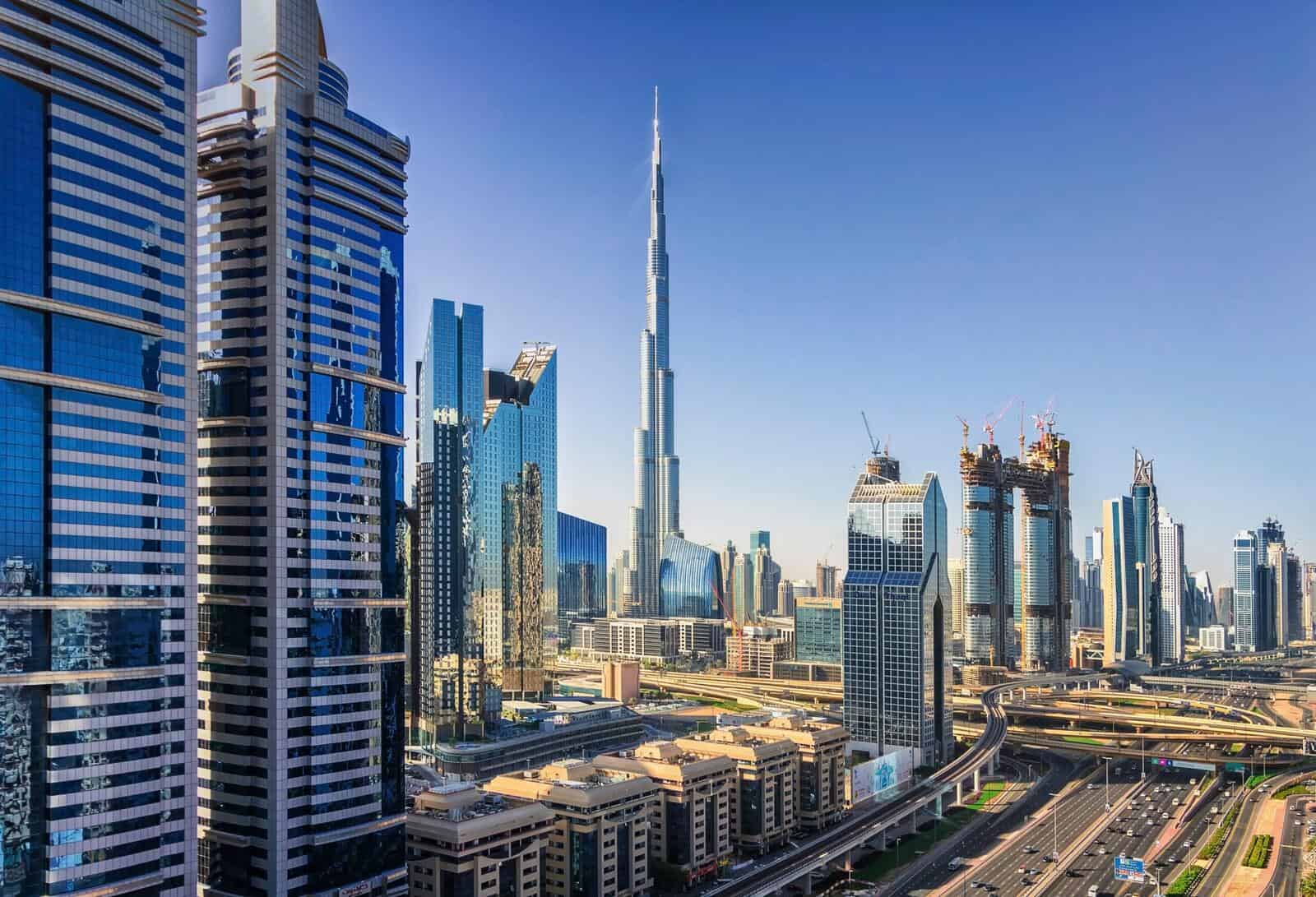
The UAE has long been seen as a safe haven for entrepreneurs, and over the last few years, it’s become an increasingly attractive place to start a business. It boasts predictable rules, robust infrastructure and strong governance, making it a really good destination for founders and investors alike, drawing startups from around the world to Dubai, Abu Dhabi and beyond.
But, given the recent regional tensions involving the US, Israel and Iran, many have started questioning whether that narrative of stability could now be tested.
For years, the UAE’s startup ecosystem thrived on trust. Founders and investors knew that systems would hold even when pressures mounted, that regulatory frameworks were transparent and that government responses were swift. It’s why so many international startups chose to set up shop in a region that, despite geopolitical complexity, offered a predictable environment for business.
Stability Has Been a Core Value for the UAE
Alexander Rugaev, Co-Founder of Micropolis AI Robotics, explains why stability has been so critical: “For years, the UAE startup ecosystem was predictable, and that was the basis for the founder’s trust. Rules and security are in place here, and there is an opportunity to build a business quickly. The current tension in the region certainly adds to the anxiety in business and communication processes…But I wouldn’t say that business confidence has been undermined in any way.”
Rugaev notes that while some founders may reconsider relocation plans, most will focus on risk management and contingency planning rather than fleeing the country. This highlights a key insight about founder psychology: they aren’t seeking a risk-free environment – they’re looking for systems that are reliable when tested.
More from News
- US Petrol Prices Are Over $4 For The First Time Since 2022 – Is It Too Late For Recovery?
- Diverse Startup Boards Are More Likely To Succeed – What’s Driving The Advantage?
- Let’s Talk About The White House App: Informative, Intrusive Or Irrelevant?
- 75% Of Fans Oppose VAR As Experts Analyse The Technology Behind It
- How Much Are UK Households Spending On Subscriptions Each Month?
- Indonesia Is The Next Country To Introduce Social Media Bans For Teens
- WTF At Work? New Research Shows UK Staff Trapped In Tech Frustration
- How Does The EU Data Breach Impact The UK?
Geopolitical Tensions As a Stress Test
Of course, regional conflict isn’t new to the Middle East. Zahra Timsah, Co-Founder of i-GENTIC AI, emphasises that founders choose the UAE not for perfect safety, but for operational predictability:
“Regional tensions are not new to the Middle East. Anyone building a company there understands that reality before they arrive. What founders care about is not whether tension exists, but whether institutions remain predictable when pressure shows up.”
The recent drone strikes and military escalations are, in effect, a stress test. Investors and founders alike are watching to see if infrastructure holds, supply chains remain intact, and leadership communicates clearly. In moments like this, transparency, rapid response, and visible governance become far more valuable than headlines or perception of zero risk.
It’s All About Managing Perception and Risk
Metin Pekin, author of Breaking Democracy’s Chains, points out that perception is as critical as reality: “Some expats will inevitably be unsettled by the escalation in regional conflict. For many people, perception of risk is often as important as the actual level of danger, and even limited attacks can prompt some entrepreneurs to reconsider where they base their companies.”
For early-stage startups, the impact of perceived risk is tangible. Lindsey Mignano, corporate attorney for startups, notes that global conflicts tend to shift investment patterns: “Investors are likely to put their money into safe-haven assets…With higher volatility and fear of macro slowdown, early-stage valuations could fall as VCs push for lower entry prices at priced rounds.”
This suggests that while the UAE may remain operationally stable, startups could feel the effects through more cautious venture funding and potential delays in capital inflows.
Confidence Through Assertive Governance
Despite the tension, the UAE has shown its resilience. Corina Goetz, CEO of Star-CaT, underscores the role of leadership and rapid operational response:
“During recent flare-ups in the region, authorities communicated clearly, infrastructure continued functioning, and everyday life largely continued. That kind of stability sends a strong signal to investors and entrepreneurs alike: Business as usual.”
For founders, this kind of confidence matters more than headlines. The UAE’s long-term positioning as a hub for global startups rests not on the absence of conflict but on the demonstration that governance structures and systems can withstand it. Moments like this reinforce why founders initially chose the country: it’s not about avoiding uncertainty, but about thriving amid it.
Proceeding With a Measured Outlook
For founders and investors, the lesson is clear: resilience matters more than perfect safety. The UAE’s startup ecosystem will likely continue to attract ambitious founders, but the recent conflict serves as a reminder that geopolitical risk, even in “safe” spaces, must be actively managed. Diversification, contingency planning, and confidence in institutional governance will become key factors in where founders place their bets – both for the short and long term.
The UAE’s startup boom was built on stability. Whether recent regional conflicts will test that trust remains to be seen, but the foundations – predictable systems, responsive governance and resilient infrastructure – suggest the ecosystem has the tools to weather the storm.
Our Experts:
- Alexander Rugaev: Co-Founder at Micropolis AI Robotics
- Corina Goetz: CEO and Founder of Star-CaT
- Metin Pekin: Author of Breaking Democracy’s Chains
- Zahra Timsah: Co-Founder and CEO at i-GENTIC AI
- Harley McGaughran: Co-Founder of Trend Sourcing Dubai
-
Advita Patel: Author of Decoding Confidence, Confidence and Influence Expert
- Jeremy Savory: UK Entrepreneur, Dubai Resident
- Lindsey Mignano: Co-Founder of SSM and Corporate Attorney for Startups and Small Businesses
Alexander Rugaev, Co-Founder at Micropolis AI Robotics
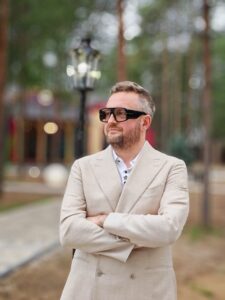
“For years, the UAE startup ecosystem was predictable, and that was the basis for the founder’s trust. Rules and security are in place here, and there is an opportunity to build a business quickly.
“The current tension in the region certainly adds to the anxiety in business and communication processes, mostly because of the risks to logistics and trips. We still observe that many simply cannot take flights out or attend conferences, offices, or return home. But I wouldn’t say that business confidence has been undermined in any way.
“Some of the CEO’s will definitely reconsider their relocation plans, but most will stay in one way or another. Many will think about a plan B, diversification, and improved risk management.
“I also would note that it is important to focus not on the fact of the conflict itself, but on the manageability of processes at the state level. When the government demonstrates its ability to quickly activate crisis protocols, protect residents, and communicate transparently, this, on the contrary, strengthens the sense of institutional reliability.
“As founders, we take this signal literally: we can continue our work even when there are a lot of things going on and tension around us. Based on my observations on the ground, the last few days in Dubai have been calm. Our team already returned to performing routine tasks.”
Corina Goetz, CEO and Founder of Star-CaT

“The UAE’s startup ecosystem was never built on tax incentives alone — it was built on predictability, safety, and leadership that responds quickly in moments of uncertainty.
“For founders, trust is less about the absence of geopolitical tension (which, realistically, exists everywhere today) and more about how a country manages risk when it appears.
“In that respect, the UAE has demonstrated something many founders value deeply: visible, calm leadership and rapid operational response.
“During recent flare ups in the region, authorities communicated clearly, infrastructure continued functioning, and everyday life largely continued. That kind of stability sends a strong signal to investors and entrepreneurs alike: Business as usual.
“It is also worth remembering that the UAE has spent decades positioning itself as a global hub precisely because it understands regional dynamics and prepares for them.
“If anything, moments like this often reinforce why founders chose the UAE in the first place: resilience, strong governance, and the confidence that systems will hold when pressure appears.”
Metin Pekin, Author of Breaking Democracy’s Chains
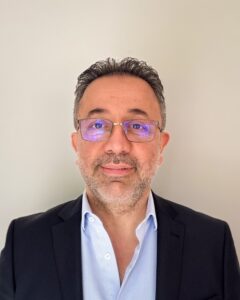
“Some expats will inevitably be unsettled by the escalation in regional conflict. For many people, perception of risk is often as important as the actual level of danger, and even limited attacks can prompt some entrepreneurs to reconsider where they base their companies.
“There are also broader structural trends at play. Western governments have increasingly tightened tax rules around offshore jurisdictions. For example, UK citizens working abroad can still remain taxable depending on their residency status and ties to the UK, which reduces some of the financial advantages that once drew entrepreneurs to places like Dubai.
“At the same time, many observers recognise that the geopolitical tensions shaping the region are unlikely to disappear quickly. Long-standing ideological conflicts and competing regional ambitions suggest instability could persist for years.
“For Dubai and the UAE, the key question will be whether they can continue to demonstrate that they remain a stable and predictable platform for global business despite these pressures.”
Zahra Timsah, Co-Founder and CEO at i-GENTIC AI
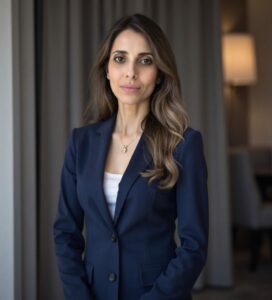
“Founders don’t choose the UAE because they believe the world is perfectly safe. They choose it because it’s one of the few places where government, infrastructure, and capital actually move at startup speed.
“Regional tensions are not new to the Middle East. Anyone building a company there understands that reality before they arrive. What founders care about is not whether tension exists, but whether institutions remain predictable when pressure shows up.
“The UAE has spent the last decade proving that it can maintain stability, protect infrastructure, and keep business operating even when the region is volatile. That matters far more to founders than headlines.
“If anything, moments like this become a stress test. Investors and founders watch closely to see whether systems hold. In the UAE’s case, they generally have.
“Trust in startup ecosystems is not built on the absence of geopolitical risk. It is built on whether governments can manage it without disrupting commerce. That is the real benchmark founders use when deciding where to build.”
Harley McGaughran, Co-Founder of Trend Sourcing Dubai
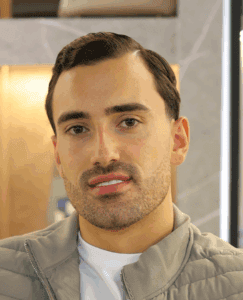
“I’ve been living in Dubai for the past two years building my luxury personal shopping and sourcing business, working with UHNW clients, celebrities and sports stars, and during that time the business has grown significantly.
“Over the last 5 days, it does feel a little quieter in the shop day to day, but interestingly, our online enquiries and calls haven’t slowed down at all. In fact, they’re keeping us extremely busy, which shows demand and confidence are still very much there for our services.
“For me personally, the situation hasn’t changed how attractive Dubai is as a place to run a business. If anything, seeing how the UAE manages security and stability reinforces why so many founders choose to build here.
“Dubai has incredible infrastructure, access to global clients and a very supportive environment for entrepreneurs. I have no intention of leaving anytime soon.
“From my perspective on the ground, it still feels like a very safe place to live and operate a business.”
Advita Patel, Author of Decoding Confidence, Confidence and Influence Expert
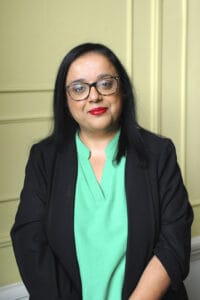
“For many founders, the UAE has represented opportunity but when geopolitical tensions escalate and conflict moves closer to places that have traditionally felt safe for business, it inevitably raises questions about confidence and long-term trust.
“Entrepreneurs are used to operating in uncertain environments, but they still look for signals that the systems around them remain stable.
“When the wider region feels volatile, founders will naturally reassess risk, contingency planning and where they place their long-term bets.
“However, moments like this are also a test of leadership. Confidence comes not from pretending everything is fine when the situation is clearly complex and evolving but from transparency, calm communication and clear decision making.
“Founders and investors will be watching closely to see how leaders communicate with businesses and residents because in uncertain times, confidence is built through honesty, clarity and the ability to lead people through instability rather than ignore it.”
Jeremy Savory, UK Entrepreneur, Dubai Resident
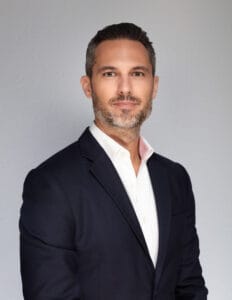
“I’m not looking to return to the UK or move money out of Dubai. That said, with the current uncertainty, my focus is on greater diversification – particularly exploring cost-effective, flexible residency options across Asia. Japan is especially appealing if the dollar remains strong, while tax-friendly alternatives such as Panama, Malaysia and Georgia are also on my radar. Still, there’s a general sentiment among residents here to remain in Dubai for the time being.”
Lindsey Mignano, Co-Founder of SSM and Corporate Attorney for Startups and Small Businesses
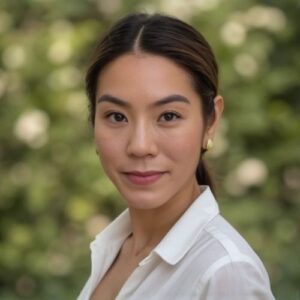
“As with any previous conflict involving the US, across global markets, investors are likely to put their money into safe-haven assets like money-market funds and away from risk assets such as equities – especially tech stocks – amid ongoing Iran conflict tensions in 2026. This will likely have an impact both on the venture and startup ecosystem at large.
“From the venture fundraising perspective, LPs (limited partners) tighten allocations to risky portfolios, focusing on capital preservation rather than new venture commitments. From the startup perspective, with higher volatility and fear of macro slowdown, early-stage valuations could fall as VCs push for lower entry prices at priced rounds.
“For both startups and the venture funds who invested in them, IPO and M&A markets often soften when there is global conflict, delaying the massive liquidity events that many VCs count on for returns to LPs and startups count on for liquidity to founders and employees.
“I’d expect that early stage startups in particular, who are often the riskiest bet for investors, may face more difficulty raising capital on favorable terms, especially if macro uncertainty persists.”


