


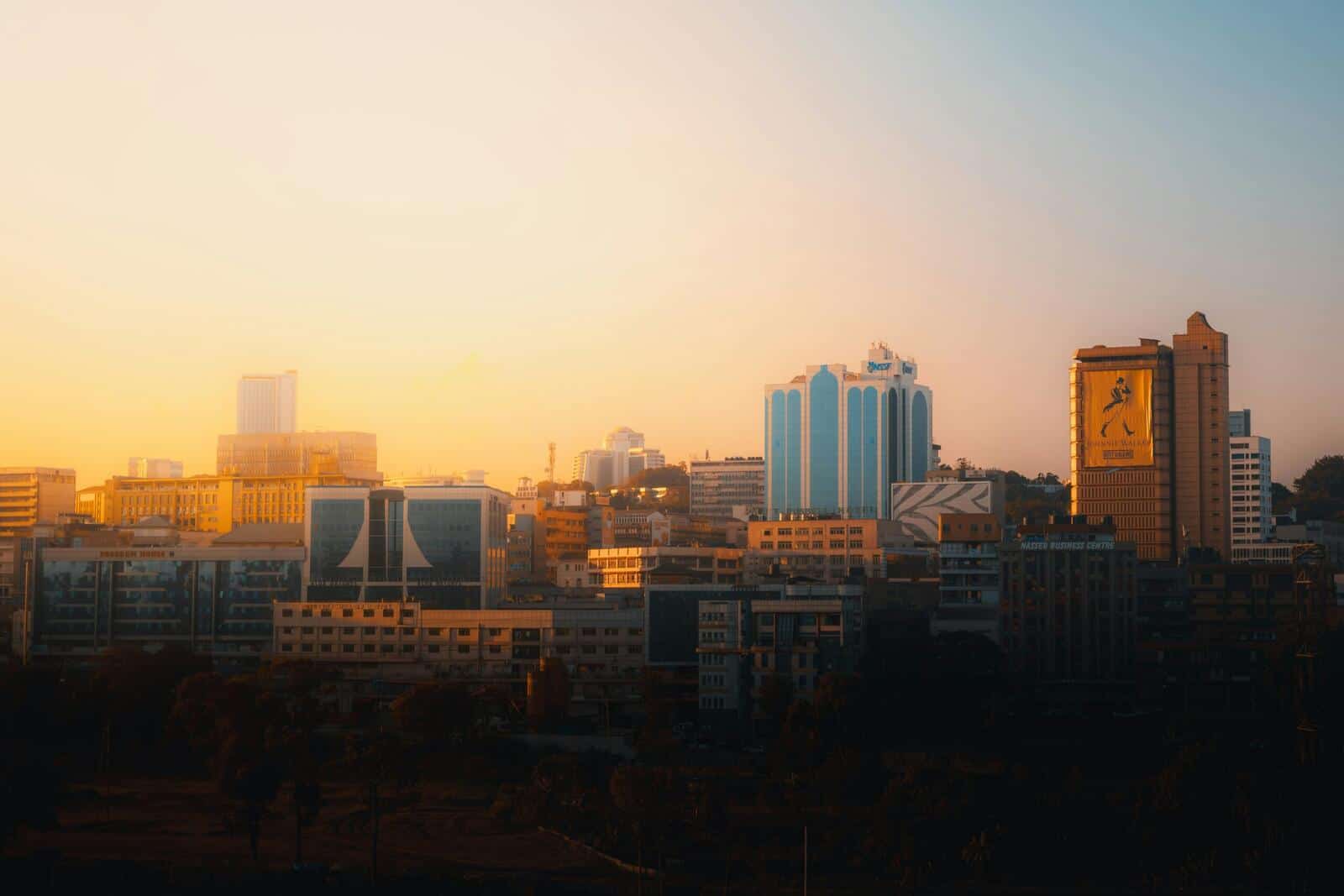
Last week, Uganda’s government ordered a sweeping internet blackout just days before a pivotal presidential election, raising urgent questions about how digital connectivity is deployed not just as a convenience or a luxury, but as a tool of political control.
The move, justified by authorities as necessary to prevent the so-called spread of misinformation and inciting of violence, plunged much of the population into digital silence at a critical moment of civic engagement.
While Uganda’s blackout is deeply tied to its own political context (and there’s no getting around that), it’s definitely not an isolated incident.
Governments around the world have increasingly turned to cutting or throttling internet access – from protests in Iran to election periods in other countries – underscoring just how digital technology can be used to shape political dynamics and influence public perception.
What Happened in Uganda?
Ahead of the 13 January 2026 general election, the Uganda Communications Commission directed mobile network operators and internet service providers to suspend public internet access, outbound roaming calls and many mobile data services “until a restoration notice is issued,” affecting social media, web browsing and digital communication for many citizens.
Officials from the Uganda Communications Commission (UCC) framed the blackout as a measure against the rapid spread of “online misinformation, disinformation, electoral fraud and related risks,” suggesting the disruption was designed to maintain public order and national security.
And on election day itself, polling stations faced pretty severe logistical challenges such as biometric machine failures and delayed materials – problems that observers noted were exacerbated by communication constraints.
With public internet offline, NGOs, journalists and independent monitors struggled to share real-time updates. Many international commentators and rights groups condemned the blackout as a constraint on information flow at a time when transparency and observation are most critical. Indeed, much of the Western world raised the alarm bells in light of democracy and freedom of speech.
More from News
- Diverse Startup Boards Are More Likely To Succeed – What’s Driving The Advantage?
- Let’s Talk About The White House App: Informative, Intrusive Or Irrelevant?
- 75% Of Fans Oppose VAR As Experts Analyse The Technology Behind It
- How Much Are UK Households Spending On Subscriptions Each Month?
- Indonesia Is The Next Country To Introduce Social Media Bans For Teens
- WTF At Work? New Research Shows UK Staff Trapped In Tech Frustration
- How Does The EU Data Breach Impact The UK?
- Bluesky Launches New AI App To Rival X’s Grok
Uganda in Context: A Global Trend of Digital Blackouts
Uganda’s blackout came at a time when internet shutdowns are increasingly visible as political strategy. In Iran, authorities imposed a near-total internet blackout in early January 2026 amidst widespread protests. The shutdown cut off most internet access, severely restricting citizens’ ability to communicate, organise and document events as the state faced increasing dissent over economic and political grievances.
Human rights organisations argue that such widespread disconnects are intentional, used not merely for security but to hide human rights violations and shape narratives. Amnesty International said that blanket internet cuts in Iran “plunge people into digital darkness, blocking those inside the country from receiving information or sharing it with the outside world… and perpetuates impunity for state crimes.” This is, of course, cause for great concern.
These cases reflect a broader pattern: governments in both democratic and authoritarian contexts have recognised the power of connectivity as leverage. Connectivity allows for rapid dissemination of ideas, real-time coordination and independent reporting. Cutting it can constrain dissent, reduce transparency and limit external scrutiny.
Connectivity as a Political Tool?
At its core, control over internet access is control over the flow of information. And at the end of the day, information veryh much equates to control.
In election periods, protests or moments of political tension, connectivity becomes more than infrastructure – it becomes a strategic asset. Governments can shape what information citizens receive, what evidence of events reaches external observers and how narratives are formed domestically and internationally.
This dynamic can have several implications:
- Unequal spread of information: When internet access is limited, state messaging and official channels gain disproportionate influence, while independent voices are muted. This can affect public perception and reduce the ability to contest official accounts.
- Suppression of accountability: Independent monitoring, whether by journalists, NGOs or international observers, often relies on digital reporting. Interruptions to internet access mean that the documentation of potential irregularities, human rights abuses and electoral misconduct aren’t possible.
- Economic and social impact: Beyond politics, internet shutdowns carry real-world costs for real people. Businesses relying on mobile data, digital trade and financial services are disrupted, affecting commerce and everyday life. In Uganda, disruptions likely slowed activity along important trade routes and diminished access to essential banking and information services.
- Political signalling: The government’s willingness to cut internet access sends a very clear and stern message – both internally to citizens and externally to foreign partners – about the extent of state authority and the lengths to which leaders might go to maintain control. This, in itself, is cause for alarm.
The Future of Internet Freedom and Civic Life in Uganda?
Uganda’s blackout, Iran’s extended shutdown and similar events elsewhere highlight a pivotal dilemma of the digital age: as internet access becomes essential to social and civic participation, crises and political contests increasingly involve digital control as part of the toolkit of statecraft. The more advanced technology and means of connection become, the more likely they are to be used as a tool and even a weapon.
For democracies, this raises fundamental questions about the rights of citizens to communicate freely versus concerns about misinformation and national security. For authoritarian regimes, it underscores the role of digital levers in maintaining power.
International rights bodies argue that access to the internet is a basic right, particularly at moments when information flow is crucial to civic freedoms. But, practice shows that access can be turned on or off according to political will, with profound implications for transparency, governance and public trust.
As the role of digital infrastructure in political processes deepens, societies are going to really need to grapple with not just technological questions, but the ethical and legal frameworks governing when (if ever) connectivity can be curtailed.
Uganda’s blackout offers a stark example of how modern technology, far from being neutral, can be leveraged as a political tool with lasting consequences for democratic norms and human rights.