


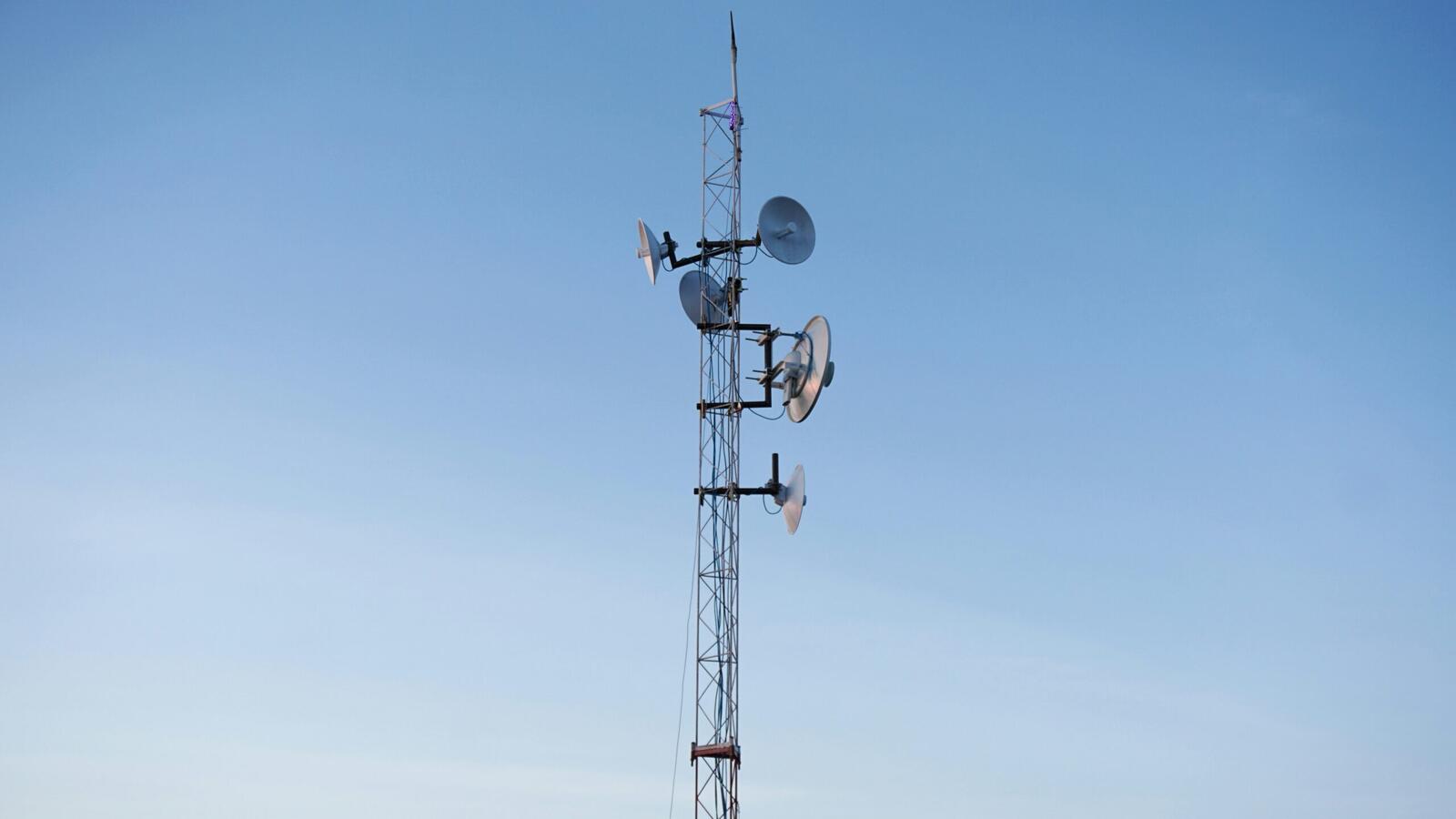
The Department for Science, Innovation and Technology announced that more than 50 rural mobile masts have been upgraded across England, Scotland and Wales. The towers, once reserved for EE traffic and emergency calls, now carry signals from every UK network.
Ben Roome, CEO of Mova, said, “This is a big milestone for rural mobile coverage. Thanks to strong collaboration between government and industry, 50 publicly funded masts are now live — including this one in Upper Chapel — helping to close the mobile coverage gap for residents, businesses and visitors.”
How Large Is The New Signal Reach?
The upgraded towers blanket an area equal to 66,470 football pitches, according to Building Digital UK. Over half lie within areas of outstanding natural beauty or national parks such as Snowdonia and the Lake District.
Engineers limited the visual effect on the countryside by re-using structures already in place instead of erecting more steel. Each mast now carries 4G, giving fast calls and data in valleys where phones once fell silent.
Roome continued, “These masts build on the success of the mobile operators hitting their industry-funded targets a year early. Since the Shared Rural Network began, coverage from all four operators has grown from 66% to 81% of the UK — an increase the size of Wales and Northern Ireland combined.
“With further sites being upgraded and built over the next two years, more people in rural areas will benefit from better mobile coverage.”
More from News
- What Can Startups Learn From HSBC’s AI-Driven Job Cuts?
- Moterra AI Achieves Select Partner Tier In Anthropic’s Claude Partner Network
- GoDaddy Launches Web App Hosting With API For AI Coding Tools
- 7 In 10 Consumers Have Never Investigated What’s Inside Their Smartphone
- Tango Turns Live Communities Into a Force For Breast Cancer Research
- Two Thirds of Brits Are Telling AI Chatbots Their Secrets But Don’t Trust The Companies Behind Them
- Video Game Companies Are Abandoning “Buy Our Console To Play This” – Here’s Why
- UK Gambling Operators Face New Deposit Limit Rules From 30 September
Which Rural Areas Benefit The Most?
Wales enjoys the biggest gain in coverage. Remote sections of the Berwyn Mountains now enjoy full signal from all four operators.
Walkers across the Brecon Beacons can check weather warnings without leaving the track, and the Clwydian Range and Dee Valley gain the same reassurance.
Across the border, stronger bars now reach the North York Moors, the long Southern Upland Way and the rolling Shropshire Hills.
How Will Hikers And Neighbours Benefit?
Better coverage boosts tourism income, as visitors spend more days in rural stays and feel safer on long trails. Local shops and guest houses can take contactless payments more easily, which keeps cash flowing in quiet villages and shortens queues at tills.
Rescue crews save valuable minutes because callers no longer walk uphill hunting for a signal, a change that could prove life-saving during sudden storms. Campers can download live maps instead of printing thick guidebooks, letting them adjust plans quickly when paths flood.
Ministers believe the upgrades will lift rural growth and back small businesses that rely on weekend visitors. Building Digital UK added that the work links communities without spoiling the scenery they depend on for income.
Sir Chris Bryant, the Telecoms Minister commented as well. He said, “The growth potential of our areas of outstanding natural beauty must not be stunted by patchy internet.
“This milestone is a major step forward for better connectivity for all corners of the UK meaning everyone can reap the benefits of the digital age. From boosting tourism and business opportunities to providing safer outdoors experiences for visitors to our treasured countryside.”


