


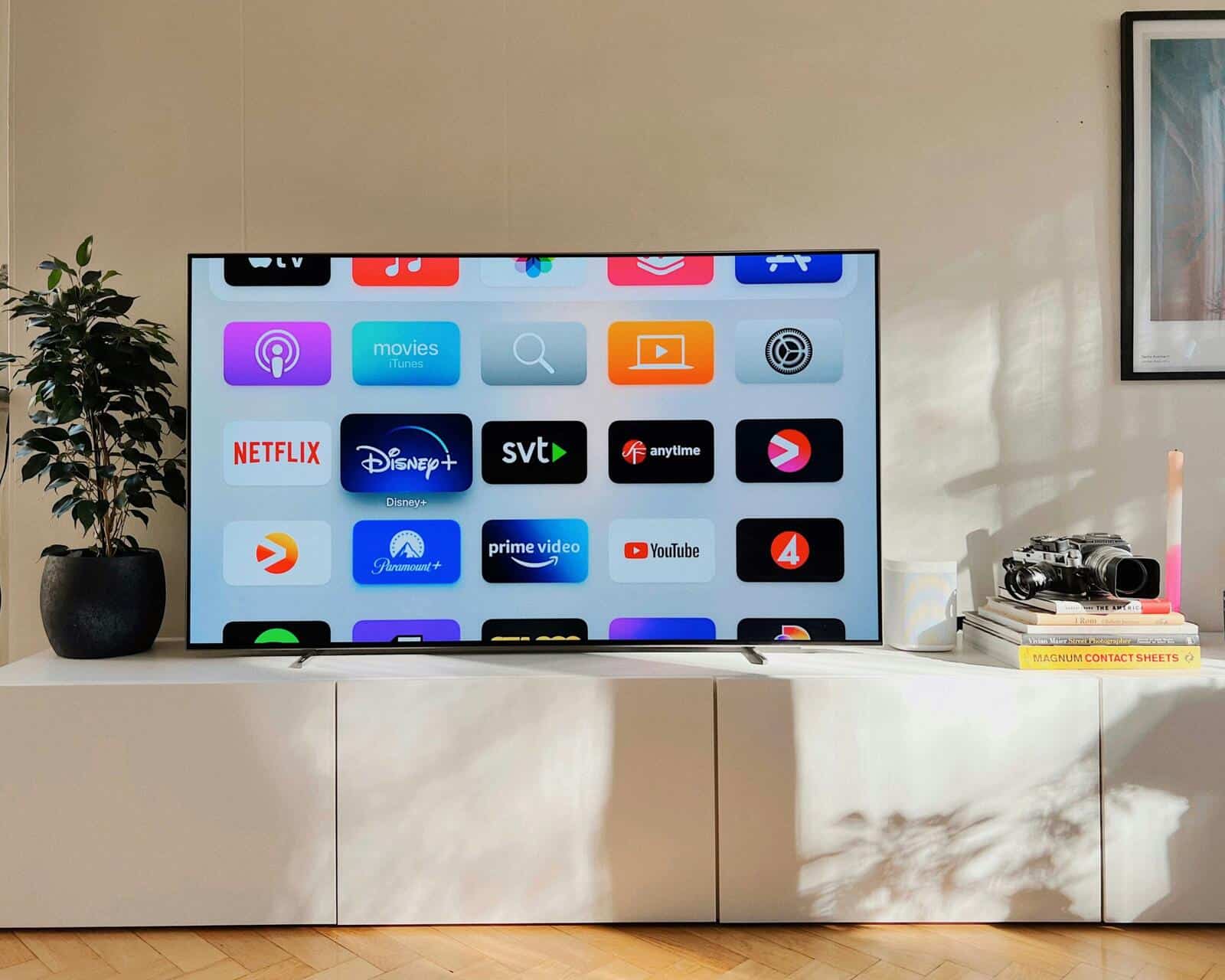
UK households are starting to monitor their subscriptions and where their money is going in relation.
New research from Aqua and EY shows spending is high, cancellations are common and many people feel streaming platforms are asking for too much.
So, How Much Are Brits Actually Spending?
Aqua surveyed 2,000 people aged 16 and over to understand subscription habits. The average Brit spends £786 per year on subscriptions. That equals £65.50 a month across 2.8 subscriptions.
Half of those surveyed spend under £40 a month. 1 in 10 spends £200 or more. Entertainment takes £27 per month on average. Food and drink subscriptions such as HelloFresh and Gousto cost £21 per month, and shopping and fashion subscriptions account for £15.
Location influences this, as Manchester records £81 per month, London £77 and Belfast £72. Plymouth comes in at £41, Sheffield at £50 and Bristol at £51.
Food and drink spending in Northern Ireland reaches £53 per month, which is more than 900% higher than Glasgow and Plymouth, where it is £5.
Men spend around 61% more than women across main subscription categories, it seems.
Are Streaming Prices Pushing Households To Cancel?
The EY Decoding the Digital Home Study, based on a survey, also of 2,000 UK consumers, finds that 59% of households are concerned about rising streaming prices. In total, 65% believe streaming price increases are unfair and unreasonable.
Last year, 34% of households paying for streaming services have either cancelled or plan to cancel a service. It was 35% last year. Interest in cutting the number of platforms is strong, with 35% saying they want to pay for fewer services.
Anna Fry, EY UK and Ireland Technology, Media and Entertainment Sector Leader, said, “Streaming providers in the UK must prioritise delivering clearer and more personalised value to their subscribers as price sensitivity intensifies year on year. This year’s study showed a 4 percentage points rise in consumers concerned about increasing monthly costs shows growing discomfort with continued price hikes, while a simultaneous 4 percentage points drop in those who feel they pay for content they don’t watch reflects a shift towards far more selective, value-driven choices.
More from News
- Indonesia Is The Next Country To Introduce Social Media Bans For Teens
- WTF At Work? New Research Shows UK Staff Trapped In Tech Frustration
- How Does The EU Data Breach Impact The UK?
- Bluesky Launches New AI App To Rival X’s Grok
- Meta: 0, Humanity: 1 – Is “Engagement At All Costs” Becoming Social Media’s Biggest Liability?
- UK Government Invests In Growing The Creative Tech Sector
- AI Can Now Write Your WhatsApp Messages For You, But Is This Risky?
- UK Tests Social Media Bans And Curfews For Teens – How Should Parents Help?
“In this climate, providers must demonstrate relevance through compelling bundles, regularly refreshed content libraries and more personalised user experiences. By closely tracking engagement and proactively intervening when customers show early signs of churn, providers can better address the challenges households face, communicate tangible value, and ultimately reduce cancellation risk.”
Cost is the main reason people cancel. EY also reports that 11% cancel because a platform no longer has content it once had, and 10% leave because they prefer another service.
How Are People Managing Subscriptions?
Behaviour is becoming more deliberate. EY reports that 41% of people have resubscribed to a platform they previously cancelled, up from 33% last year. A further 40% follow a “subscribe watch cancel repeat” pattern to control monthly spending.
Martyn Whistler, EY UK and Ireland Client Director for Media and Entertainment, said: “Understanding the dynamic nature of consumer relationships with streaming platforms is essential for providers aiming to thrive in a competitive landscape. With a significant portion of users resubscribing to previously cancelled services, there is a clear opportunity for platforms to engage these consumers more effectively.
“By simplifying the subscription process and offering flexible viewing options, streaming services can cater to the evolving preferences of their audience. Additionally, implementing innovative pricing models and personalised content recommendations will not only enhance user satisfaction but also drive long-term loyalty in an increasingly fluid market.”
Aqua also found that 17% of Brits do not track their subscriptions at all. For those aged 55 and over, that rises to 25%. Just 18% use an app to monitor subscriptions. Women are less likely to use tracking apps at 12%, compared with 24% of men. Over a third of those aged 25 to 34, at 35%, use a budgeting or spending app.
Scott Yule, Commercial Strategy Director at Aqua, said, “Use subscription management apps: This provides oversight of all subscriptions in one place, making them easier to manage and ensuring you are sticking to your allocated budget. This also helps you keep an eye on any subscriptions you may no longer need.
“Monitoring bank statements regularly. Keep an eye on your outgoings to see if there are free trials or deals that have now switched to more expensive fees, or if any subscription renewals have increased in price.”
And he said, “Budget and prioritise where you can. Work out how much money you have available to spend on different subscriptions. This will give you a better idea of what you can reasonably afford and where your money might be best spent, including whether certain subscriptions are actually saving you money or not.”