


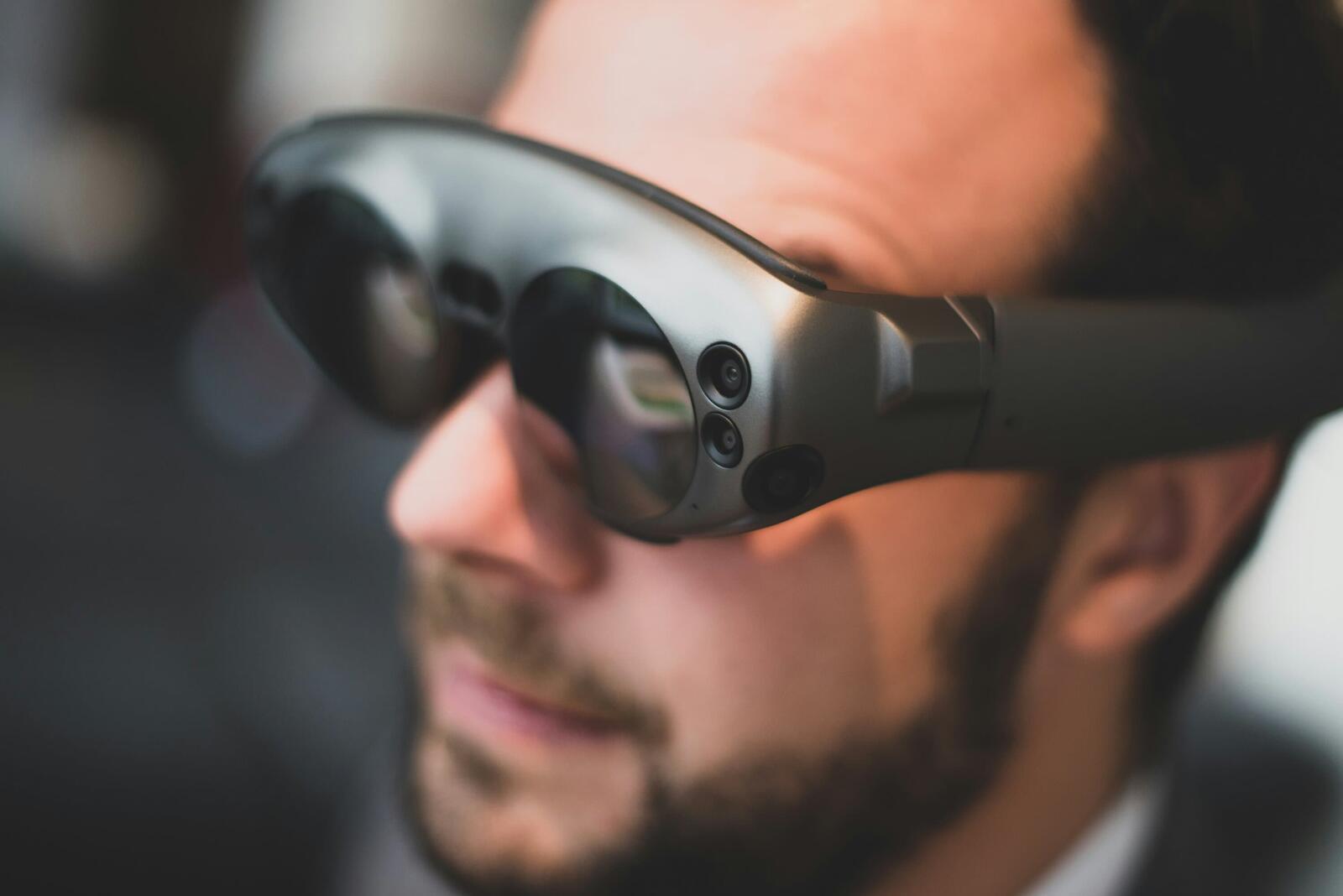
There’s a $2,195 pair of glasses that Snap would very much like you to wear at work, after deciding that brunch might not be the ideal setting for them. The company has teamed up with Salesforce, Nvidia and AWS to put some serious computing power into its new Specs AR glasses.
All three already sit inside loads of big companies’ tech setups are now going to bring different pieces of their technology into one pair of glasses.
What Each Partnership Brings To SPECS
According to Snap, Salesforce is bringing its Agentforce AI platform to SPECS, allowing workers to access company information and carry out tasks without taking their attention away from what they are doing. Snap gives the example of a worker identifying an issue, opening a case and updating records through the glasses.
NVIDIA is bringing its AI capabilities that are designed to help SPECS understand the wearer’s surroundings and interact with information in the environment. AWS is also bringing its workplace AI assistant, Amazon Quick, to the glasses. Snap states that one of the retail example involves a worker asking where a product is and checking stock levels while staying on the shop floor.
If you look at the overall idea; these partnerships create a chain instead of just having three unrelated additions. NVIDIA helps SPECS understand what the wearer is seeing, AWS can provide information through an AI assistant and Salesforce connects that interaction with business systems. Reuters also describes the three technologies as part of Snap’s push to make SPECS useful in workplaces such as factories, retail and field services.
Could This Put Pressure On Other AR Companies?
If businesses want glasses that can work with the software and AI tools that they already use, simply having good AR hardware might not be enough though.
SPECS is being built to connect with existing workplace technology rather than operate separately from it. According to Snap; Salesforce, AWS and NVIDIA are each contributing technology that helps workers access information, get guidance and collaborate while they work.
That could make partnerships more important for other AR companies too – instead of trying to build every part of the experience themselves, they could look at which software, cloud and AI companies could help their hardware fit into workplaces. At the end of the day, there’s only so much you can really squeeze into a pair of glasses before someone has to bring in a few friends.
Could Businesses Start Expecting More From AR?
If SPECS can make information easier to access while workers are doing their jobs, businesses could start expecting more from AR glasses than just displaying digital information. If that type of experience is actually useful, businesses might start looking at more than what an AR headset can display. They could also want to know whether it works with the systems they already have, if it can provide useful information in real time and whether workers can actually use it without interrupting their jobs.
This is still a possibility rather than something we can say is already happening; and this announcement also doesn’t tell us how widely businesses will actually adopt it.
What Could Be Next For SPECS?
There’s still quite a big difference between announcing this type of workplace product and getting people to actually use it at work. SPECS will really have to prove that wearing AR glasses adds enough value to convince people to change how they already do their jobs.


