


Businesses are dealing with heavier digital workloads across cloud platforms and regional sites. Source material from Pulsant explains that this change has pushed networks to keep up with rapid growth, tighter rules, and the spread of remote teams. Mike Hoy, the CTO at Pulsant, explained that these pressures have reshaped how organisations think about network control. He said that the rise of AI and latency-sensitive tools has made agility a central requirement for performance and continuity.
Carrier neutral data centres have stepped into that space. They allow firms to choose network providers inside one building without being tied to a single carrier. That freedom removes dependency on one route and lets teams change capacity or routing without interruption. The second source said that this freedom improves cost management and helps organisations keep continuity in complex digital environments.
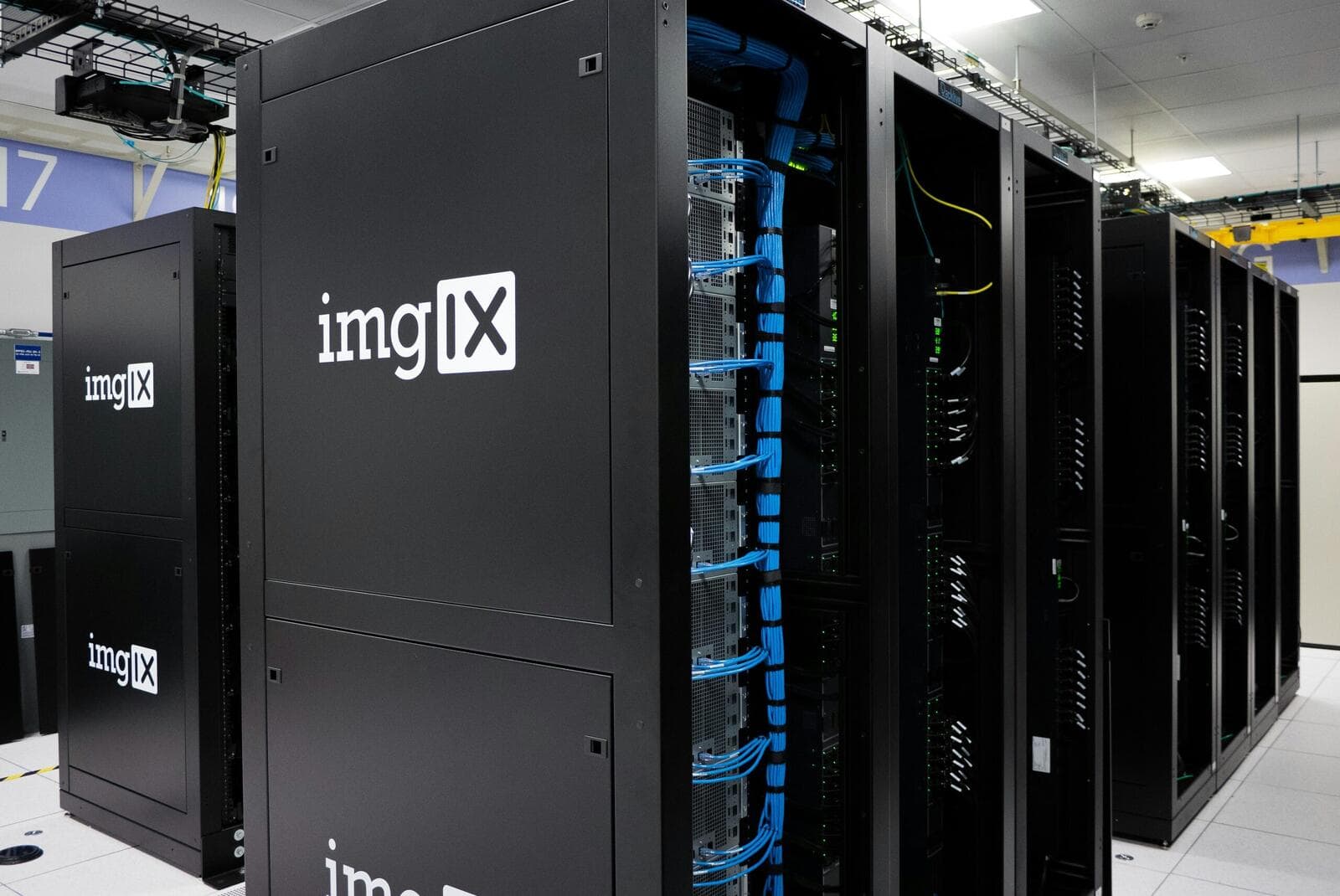
To put it simply, carrier neutral data centres are buildings that host customer hardware while giving full freedom over network choice. Instead of being tied to one carrier, organisations can pick the connection that suits their traffic, performance needs or regional rules. The idea is this: the data centre provides the space and power, and the customer decides how their traffic moves in and out. This model keeps networks flexible when workloads change and helps firms avoid the limitations that come from a single-provider setup.
These sites appeal to growing firms because of the room to adjust traffic, expand into new regions and keep operations steady when workloads come up fast. This has created a steady rise in demand across the UK as cloud adoption grows and more workloads move across regions.
What Does Carrier Neutral Colocation Look Like In Practice?
Carrier neutral colocation lets firms place their hardware in a shared building that hosts many network operators at once. Pulsant described that this model helps teams choose a provider, work with multiple carriers at the same time, or change providers without moving racks or cables. This stands apart from locked sites where a single carrier sets pricing, routing, and capacity limits.
A locked model can trap organisations into long contracts. It becomes harder to switch when prices go up or performance goes down. Pulsant explained that this often brings cost pressure, complexity, and disruption during migrations. Carrier neutral setups avoid that trap and keep the network more adaptable.
The model also supports demands around low latency, failover routes, cloud access, and cross-site compliance. Firms can design routing that suits their own needs rather than bending around a fixed carrier’s rules. This helps teams run traffic across cloud platforms at predictable speeds and with fewer intermediaries.
Carrier neutral colocation also helps when different regions have different needs. Firms that want traffic to stay inside certain boundaries or want direct connections to local partners can build those routes more cleanly inside a neutral facility.
More from News
- US Petrol Prices Are Over $4 For The First Time Since 2022 – Is It Too Late For Recovery?
- Diverse Startup Boards Are More Likely To Succeed – What’s Driving The Advantage?
- Let’s Talk About The White House App: Informative, Intrusive Or Irrelevant?
- 75% Of Fans Oppose VAR As Experts Analyse The Technology Behind It
- How Much Are UK Households Spending On Subscriptions Each Month?
- Indonesia Is The Next Country To Introduce Social Media Bans For Teens
- WTF At Work? New Research Shows UK Staff Trapped In Tech Frustration
- How Does The EU Data Breach Impact The UK?
How Does Neutrality Help Businesses Manage Network Change?
When rules change or services grow, firms often need new routing or new connections. Pulsant explained that carrier neutral colocation supports these changes without the need to redesign architecture. New cloud links or new routing paths can be built inside the same site without touching existing hardware.
This is a practical advantage for acquisitions, expansions or compliance adjustments. Teams can now introduce new carriers, run both in parallel and adjust traffic at a steady pace. This lowers the risk of outage during transitions. It also reduces contract pressure because no single provider sets the terms.
Pulsant described that neutrality keeps infrastructure viable over long stretches of time. Teams are not boxed in by earlier decisions and do not need to rebuild their network from scratch when business needs move in a new direction.
Where Does Pulsant Come Into This Picture?
Pulsant runs fourteen data centres in the UK through its private platformEDGE network. This network links regional buildings at low latency and gives direct links to cloud platforms, internet exchanges and many carrier choices. Each site works under a carrier neutral model so clients can decide how they want to route traffic.
This setup helps organisations run workloads closer to end users and move data around between regions efficiently. Pulsant said that this helps keep connectivity decisions driven by operational needs rather than contract limits. Through this model, firms can adjust, expand and keep continuity without being locked into one provider.