


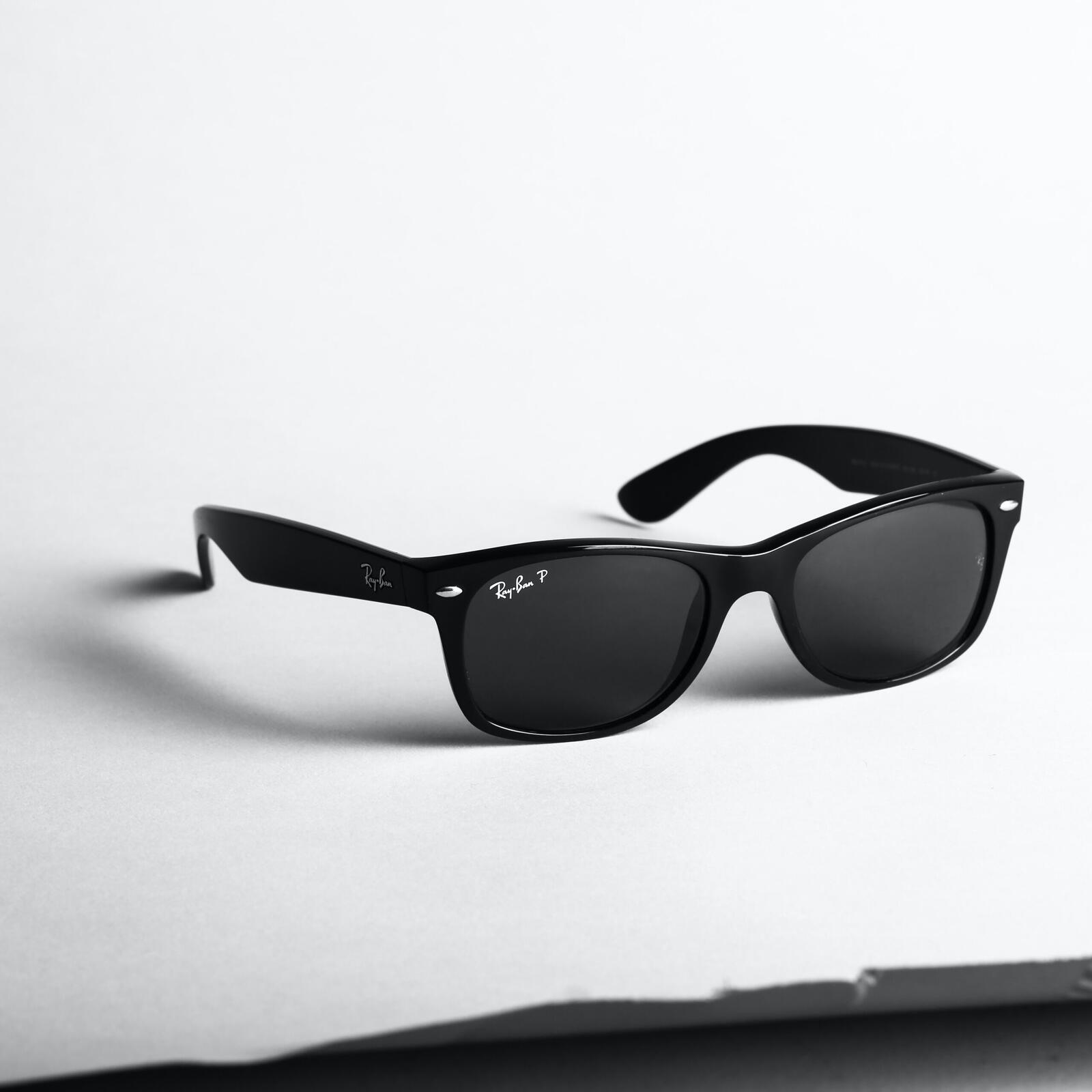
Meta’s leader, Mark Zuckerberg, introduced a tender aspect of family life to the world, using artificial intelligence in an everyday setting. Through a video on Instagram, he shared his use of Meta’s new Ray-Ban smart glasses to learn hair-braiding, a mundane skill made accessible through advanced technology.
“Hey Meta, how can I make a braid?” Zuckerberg asked the device in the clip. The AI responded with simple instructions, leading to a successful hairdo for his daughter. He then shared this personal achievement directly with his wife, Priscilla, showing the ease with which technology blends into intimate family moments.
These smart glasses, a joint creation with Ray-Ban, represent Meta’s aim to intertwine real and virtual experiences. The glasses, with a price tag of $299, come with enhanced features like superior camera qualities and options that include live broadcasts.
Worries Over New Tech
Not everyone received the innovative glasses warmly. Their ability to record discretely was initially met with skepticism. The newer model attempts to calm these fears with visible recording indicators. One social media commentator voiced their discomfort, saying, “I don’t give permission to random strangers possibly filming me like that. These aren’t cool.”
Family First for Zuckerberg
Many followers, however, appreciated Zuckerberg’s personal share. “This is one of your most beautiful creations,” one follower remarked, highlighting the appeal of his relatable fatherly moment. Known for his active participation in his daughters’ lives, Zuckerberg continues to share his family-centered activities, presenting a contrast to his public persona as a billionaire CEO.
More from News
- Two Thirds of Brits Are Telling AI Chatbots Their Secrets But Don’t Trust The Companies Behind Them
- Video Game Companies Are Abandoning “Buy Our Console To Play This” – Here’s Why
- UK Gambling Operators Face New Deposit Limit Rules From 30 September
- How A Ransomware Gang Hijacked A Rival Gang’s Website – And Is Now Extorting Them For “2.333% Of Their Net Worth
- Meta Promised Unmatched Privacy For Muse – So How Did Researchers Crack It So Quickly?
- Digital Avatars Are Bringing Deceased Artists Back To The Stage – Where Do We Draw The Line?
- Can Europe Solve Its Critical Minerals Problem Fast Enough To Support Its Tech Ambitions?
- Google Has Agreed To A £260 Million Settlement: Who’s Eligible For Compensation?
His dedication extends beyond fleeting moments, as evidenced by his past decision to take a month-long parental leave. “I’m going on parental leave for December to be with August and Max,” he communicated in a previous statement, reaffirming his commitment to being present in his children’s lives.
Beyond the smart glasses, Meta is taking strides in virtual interaction with the introduction of the Meta Quest 3 headset. Despite being a more affordable $500, as opposed to its competitors like the pricier Apple’s Vision Pro, it doesn’t compromise on delivering a socially interactive mixed reality experience.
This device offers users a view of the real environment around them, with virtual enhancements, marking Meta’s ambition to fuse different aspects of our world.
AI’s Role in Daily Tasks
Zuckerberg’s interaction with his daughter through AI assistance shows that these advancements extend beyond entertainment; they are practical aids in daily routines, encouraging new skills and enhancing familial interactions.
But public opinion is split. While some praise the hands-free help, others question its necessity and safety, asking, “How is this safe?” These divided views signify an ongoing debate on the integration of such advanced tech into ordinary life.
In essence, these tools are not only reshaping everyday tasks but also the very interactions we have with those closest to us. The hair-braiding instance serves as more than a promotional stunt; it reflects a parent’s desire to connect with his child, facilitated by the very technology he advocates for.


