


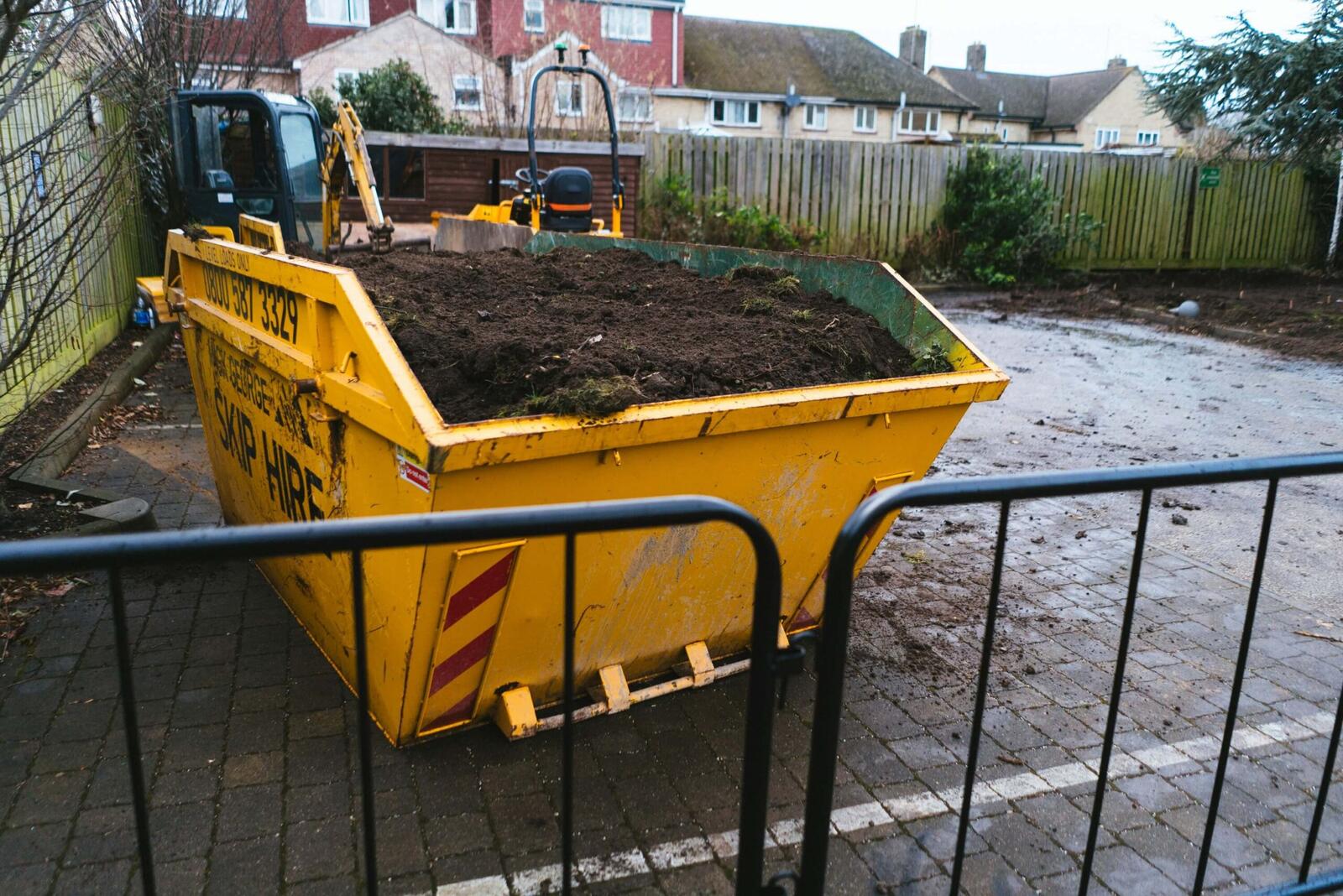
Skip hire in the UK for construction and building businesses is often treated as a simple booking decision, but in practice, it can shape how smoothly a project runs from start to finish.
A key lesson learned from various contractors and operators from construction sites, retail refitters, office clearances, industrial yard and domestic renovations is that waste removal works best when it is planned early, sized properly and managed with common sense.
A skip is not just a metal container on a driveway or site entrance. It is part of the project’s workflow, safety plan and environmental responsibility.
For homeowners, the challenge is usually convenience. They want rubbish gone quickly without blocking access, upsetting neighbours or paying for more capacity than they need. For businesses, the stakes can be higher.
Waste can affect trading hours, staff movement, customer impressions, site safety and even brand reputation. This is especially true for modern companies featured in business and innovation spaces such as TechRound, where efficiency, sustainability and operational discipline matter as much as speed.
This is why every customer, from a small shop owner to a site manager, benefits from understanding how to stay compliant when hiring skips in the UK before waste starts piling up. The phrase may sound formal, but the idea is simple: use the right skip, place it legally, load it safely and make sure restricted waste is handled through the proper route. Good compliance is not about box-ticking. It protects people, prevents delays and helps waste move through a responsible disposal and recycling process.
Skip Hire Is Now A Business Decision Not Just A Clean-Up Task
The UK waste removal industry has changed considerably over the past decade. Customers are more aware of recycling, councils are more focused on safe public spaces, and businesses are expected to show that they manage waste responsibly. A poorly chosen skip can cause more problems than it solves, especially if it blocks access, becomes overloaded or contains materials that should never have been placed inside it.
For many companies, commercial skip hire is now part of operational planning. Offices, hospitality venues, warehouses, workshops, landlords and retailers all produce different types of waste, and each setting needs a practical approach. A restaurant refurbishment may involve old fixtures, packaging and timber.
A tech office move may generate desks, chairs, racks, and general bulky waste. A warehouse clearance may involve pallets, plastics, stock packaging and mixed light materials. The skip solution should match the waste stream, not the other way round.
Choosing The Right Skip Size For The Job
Size selection is where many skip hire decisions go wrong. Smaller skips suit compact domestic jobs, garden waste, bathroom refits and minor clearances. Larger skips are better for bulky, lighter waste where the volume is the main issue. For example, 14-yard skip hire can be a practical choice for larger household clearances, office furniture removal, retail strip-outs and light refurbishment waste. It gives useful capacity without always stepping into the heaviest industrial category.
Where even more space is needed, a 16-yard skip hire can work well for larger commercial clearances, bulky packaging, shop refits, and large non-hazardous waste loads. However, bigger is not always better. Large skips must still be loaded safely, evenly and within legal limits.
Heavy materials such as soil, rubble and hardcore are usually unsuitable for very large skips because weight becomes the limiting factor long before volume. A good waste plan looks at both size and material type.
How Industrial And Commercial Sites Can Stay Efficient
Large sites need more than a one-off collection. Manufacturing facilities, distribution hubs, engineering yards and construction-related businesses often rely on industrial skips to keep operations moving. These environments can generate repeated waste streams, so the priority is control. If staff do not know where waste belongs, skips quickly become mixed, unsafe and inefficient.
A strong site waste setup usually includes clear instructions, good placement and a realistic exchange schedule. The skip should be close enough to use easily but not so close that it disrupts vehicles, emergency routes or customer areas. Larger sites may benefit from separating timber, metal, plastics and general waste where possible, because cleaner waste streams can improve recycling outcomes and reduce unnecessary contamination.
Practical site habits make a significant difference:
- Keep the loading area tidy and free from trip hazards
- Never fill waste above the skip’s side walls
- Separate restricted or specialist waste before it reaches the skip
- Brief staff or contractors on what can and cannot be loaded
- Plan collections around trading hours, deliveries or site access needs
These steps are simple, but they prevent most of the problems that lead to missed collections, extra charges, or safety concerns.
What Customers Should Check Before Booking
Before hiring a skip, it is worth taking a few minutes to think through the basics. Where will the skip go? Is it on private land or a public road? Will a permit be needed? Can the lorry access the site safely? Are there low branches, parked cars, narrow gates, overhead cables or tight turning areas? These details may seem minor, but they can decide whether delivery is smooth or impossible.
It is also important to identify the type of waste honestly.
General waste skips are not designed for everything. Items such as asbestos, tyres, gas bottles, chemicals, certain paints, batteries, fridges and some electrical items usually require separate handling. Mixing restricted materials into a standard skip can delay collection and create unnecessary risk. The best approach is to list anything unusual before booking so that the correct advice can be given.
What To Consider
- Estimate the amount of waste as realistically as possible
- Identify whether the waste is light, bulky, heavy or mixed
- Check if the skip will be placed on public land
- Make sure delivery access is clear and safe
- Ask about restricted materials before loading
- Choose a size based on waste type, not guesswork
- Keep the skip level loaded and organised throughout the job
For domestic customers, this checklist can keep a renovation or clearance under control. For businesses, it can protect productivity and reduce operational disruption. In both cases, it makes skip hire feel less reactive and more professional.
The future of UK waste removal is not about simply collecting more rubbish. It is about helping people and businesses manage waste more effectively. Skip hire should support cleaner workspaces, safer communities and stronger recycling habits. Whether someone is clearing a loft, renovating a café, refurbishing a warehouse or managing an industrial site, the same principle applies: the right skip, used correctly, makes the whole job easier.
A well-managed skip is a quiet sign of an organised project. It keeps waste contained, reduces mess, improves safety and gives everyone on site a clearer route forward. The most successful waste-removal decisions are rarely the most complicated. They are the decisions made early, based on the right information and carried out with care.


