


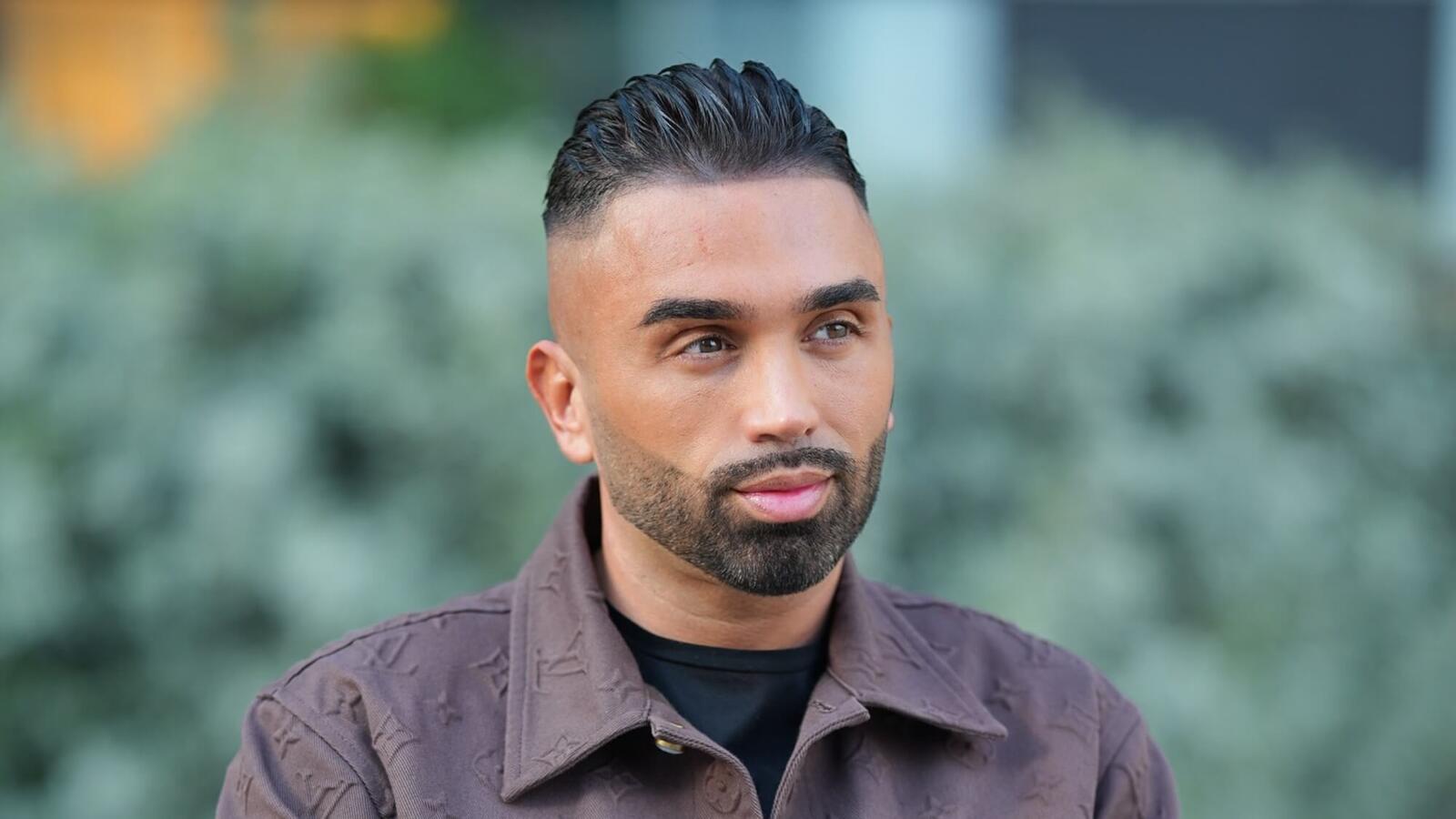
A quiet appeal ruling could reshape one of the largest crypto-linked asset freezes on record. A Brazilian appeal court took a first step toward unfreezing $527 million in Tether, company holdings, and other assets connected to entrepreneur Gurhan Kiziloz.
Start with the number, because it drives everything else. Much of the public account of this case has centered on about $213 million in frozen USDT. What played out in court points to a far larger pool, closer to $527 million, once cryptocurrency, company interests, financial accounts, and property across several countries are counted together.
That figure turns a single freeze into a cross-border question about how far a country’s new rules can reach into activity that came before them.
The court did not hand the money back, and that distinction is the whole story. It ordered a narrower review. Authorities now have to show which assets connect directly to Brazilian activity and which do not.
Anything generated outside Brazil, held by an independent company, or created before the country’s modern betting and crypto rules took effect sits on weaker ground. A blanket restraint has become a sorting exercise, and sorting favors the side with clean records.
That is where Gurhan Kiziloz’s defence lives. His team argues the case applies today’s framework to years when that framework did not exist. Brazil legislated fixed-odds betting in 2018 but built its federal licensing system only in December 2023. Its virtual-assets law came in late 2022, with regulatory authority following afterward.
During the disputed years, he ran 17 betting sites serving Brazilian users, plus connected token sales, while the rulebook was still being written. If a full licensing route was not available at the time, the argument runs, operators cannot be penalised now for lacking a permit that had not been created.
It helps to be precise about what he is and is not claiming. He is not arguing that gambling or crypto income was automatically exempt from tax. He is arguing that any liability must be measured against the laws and enforcement powers of the moment, not the completed system in place from 2024 onward.
That is a familiar principle in tax law, and Brazilian law carries protections against applying fiscal obligations retroactively. The appeal court’s decision to narrow the freeze suggests those protections carried weight.
The Tether angle is why this case travels beyond Brazil. A stablecoin freeze reaches further and moves faster than a seized bank account. An issuer can restrict tokens on request and, just as quickly, reconsider when a court order changes.
Now that the order behind this freeze has been narrowed, the same tool works in the other direction. The ruling becomes a document Gurhan Kiziloz’s lawyers can put in front of Tether to request that the wallets be reopened. It is a reminder that stablecoins, marketed as assets beyond central control, still depend on a central issuer that answers to courts.
The path ahead runs through Brazil’s federal court system. The freeze began before a federal court of first instance, with this appeal heard by the regional federal tribunal. Questions of federal law could reach the Superior Court of Justice. Constitutional questions, especially around retroactivity and property rights, could reach the Supreme Federal Court. A higher court could still restore the broader freeze, so the ruling is a first step, not a finish line.
The next phase is technical but decisive. The $213 million in USDT has to be separated from the additional $314 million in other holdings, and each asset tested for a real link to the alleged Brazilian liability. Assets clearly rooted in Brazil are harder to reclaim. Assets generated elsewhere, or predating the rules, are where the defence expects to make ground. Expect this stage to be contested.
For the industry, the takeaway is broad. Many offshore operators served Brazilian users through international structures while regulation was fragmented. A ruling that limits how far new rules can reach backward would ripple across gambling and crypto alike, shaping how regulators approach historic activity everywhere.
For Gurhan Kiziloz, the effect is concrete and close. Releasing $527 million would restore company liquidity, unlock operating capital, settle counterparties, and restart investments frozen during the dispute. If no higher court reverses the narrowing, access to the full amount could return by October 2026. The separation phase will decide how much of that projection holds, and this reporter will track it as the arguments over each asset unfold in the months ahead.
—TechRound does not recommend or endorse any financial, investment, gambling, trading or other advice, practices, companies or operators. All articles are purely informational—


