


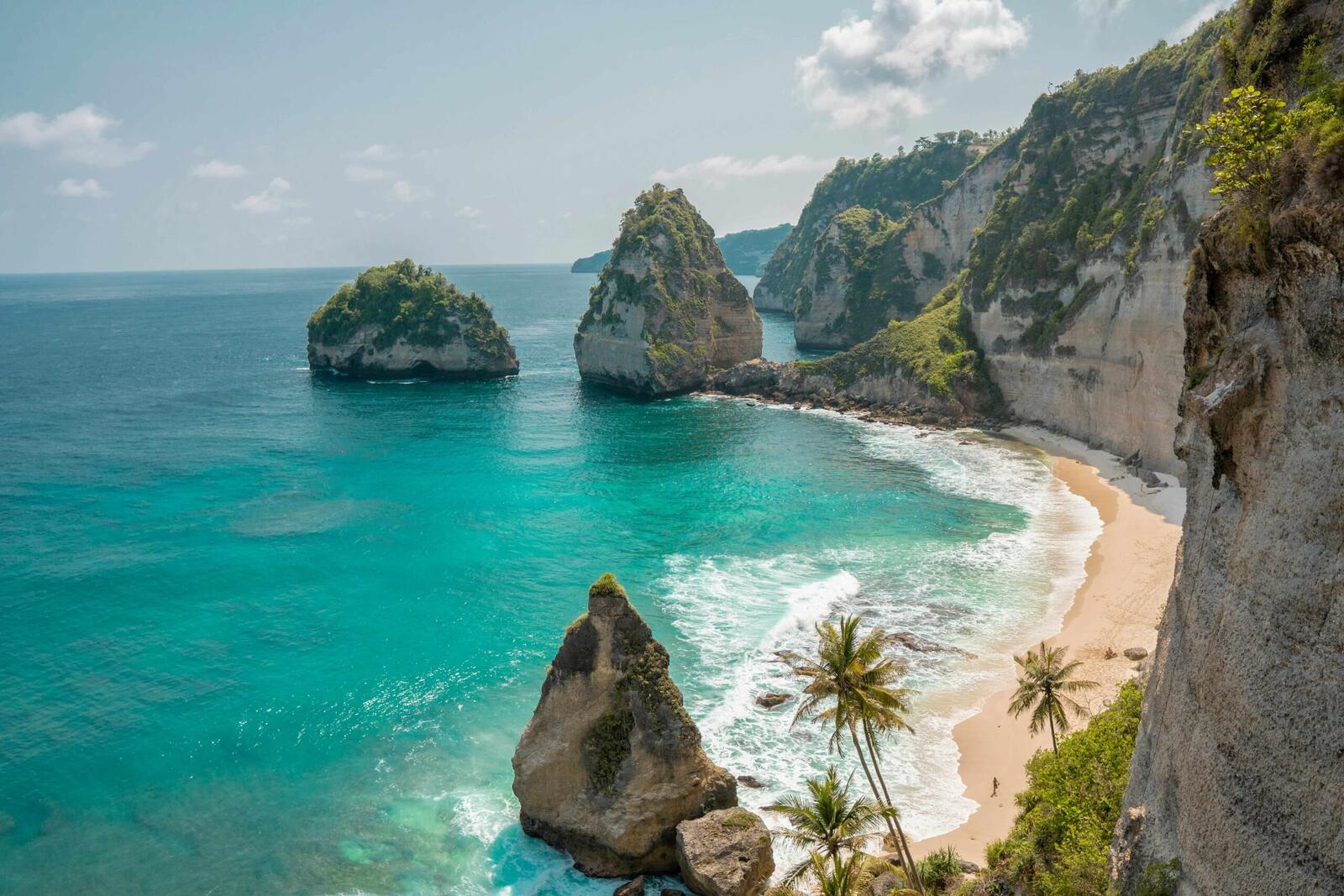
Bali’s diving sector has become much more than a recreational add-on for holidaymakers. It is now a serious hospitality and business segment that demonstrates how resorts, dive centres, travel operators, and destination brands can leverage technology, guest data, safety systems, and sustainability practices to create greater commercial value.
For Indonesian resort operators, diving is not simply another activity on the concierge list. It can increase length of stay, attract higher-spending travellers, support off-peak demand, create stronger guest loyalty, and connect hospitality more directly with conservation. When a traveller chooses to scuba dive in Bali, they are not only paying to enter the water. They are paying for trust, planning, safety, professional guidance, local knowledge, and access to marine environments that feel rare and memorable.
For travellers researching the best places to scuba dive in Bali, the decision is no longer only about famous reefs or beautiful underwater photos. The real question is which dive location fits the guest’s ability, confidence, travel schedule, safety expectations, and desired experience. This is where smart hospitality businesses can create clear value.
Bali’s dive market serves beginners, certified divers, underwater photographers, marine-life enthusiasts, families, and premium travellers. That range makes diving commercially powerful, but it also requires discipline. The best operators combine hospitality service with technical dive management, digital communication, strong safety procedures and environmental responsibility.
Why Bali’s Dive Market Is a Business Advantage
Bali remains one of Indonesia’s most attractive dive destinations because it offers variety within a single island ecosystem. Travellers can experience wreck diving, coral gardens, drift dives, macro photography, manta encounters, calm training sites, and more advanced ocean conditions without having to build an overly complicated itinerary.
For resorts and travel businesses, this variety creates commercial flexibility. A guest staying in the south may want a day trip to Nusa Penida. A beginner may prefer calmer training conditions in Sanur or Padang Bai. A more experienced diver may plan time in Tulamben, Amed, Menjangan, or current-prone sites with more technical demands.
This allows resorts to design dive products around guest profiles instead of offering one generic package. A business that understands the difference between a nervous first-time diver, a photographer, a certified adventure diver, and a luxury guest will sell better experiences and receive better reviews.
Using Data to Match Guests With the Right Dive Experience
One of the most valuable lessons dive tourism can teach hospitality businesses is the importance of matching the right guest to the right experience. In digital hospitality, this begins before arrival.
Resorts and dive centres can use online forms, booking data, CRM tools, guest messaging platforms, and pre-arrival questionnaires to understand each guest’s certification level, comfort in the water, medical considerations, language needs, equipment sizes, and expectations.
This matters because Bali’s best scuba diving places should never be presented as a single fixed ranking. The best site depends on the guest.
A beginner may need calm water, simple entries, patient instruction, and short transfers. An experienced diver may want current, depth, manta encounters, thermoclines, or more dynamic conditions. A photographer may need slow movement, macro life, sharp-eyed guides, and enough time to work carefully. A family may value convenience, supervision, and confidence more than the most famous dive site.
Technology can help collect the information, but experienced staff must interpret it. The strongest operators use digital tools to support human judgment, not replace it.
The Commercial Value of Underwater Diversity
A successful dive destination does not depend on one famous location alone. Bali’s strength lies in the fact that each area has a distinct identity and commercial role.
Tulamben is known for accessible wreck diving and easy shore entries offering scenic coastlines, coral gardens, and slower-paced dive travel. Padang Bai provides a variety within relatively short boat rides. Nusa Penida attracts divers looking for larger marine life and more adventurous conditions. Menjangan appeals to guests who value clear water, walls, and a quieter national park setting.
For resorts, this diversity creates opportunities for better product design. A property should not simply advertise “diving available.” It should explain which dive experiences suit which type of guest, how logistics work, what level of ability is required, and how the activity fits into the wider stay.
This is especially important for travellers searching for diving experiences in Bali, Indonesia, including scuba diving. They may be comparing regions, resorts, operators, and safety standards before making a decision. Clear digital content can turn uncertainty into bookings.
Safety as a Business System, Not Just a Dive Requirement
In general hospitality, a poor room service order or a delayed check-in can sometimes be corrected. In diving, the margin for error is smaller. Safety must be designed into the business model from the beginning.
A strong dive operation needs more than friendly instructors and attractive photos. It needs proper certification checks, health screening, equipment maintenance records, conservative dive planning, guest ratios, emergency procedures, boat readiness, and clear briefings.
For resorts, this creates an important business lesson: safety is part of brand equity. A guest who feels well briefed, properly supervised, and honestly advised is more likely to trust the resort, recommend the experience, and return.
Good dive safety systems include:
- Certification and health checks before the dive
- Honest site recommendations based on conditions and ability
- Clear multilingual briefings where needed
- Well-maintained rental equipment
- Documented maintenance schedules
- Conservative dive planning
- Emergency oxygen and response procedures
- Staff training that is practised, not only written down
The safest operators are not necessarily the most restrictive. They are the most professional. They know when to say yes, when to modify the plan, and when to advise a guest that a site is not suitable.
Why Resorts Need Strong Dive Partnerships
Many Bali resorts do not operate their own dive centres. Instead, they partner with external providers. This can work well, but only if the resort treats the partnership as part of the guest journey rather than a simple referral.
A poor dive experience can damage the resort’s reputation even if the resort did not directly manage the activity. To the guest, the resort, transfer, dive team, boat, equipment, and aftercare are one connected experience.
Before recommending a dive partner, resort managers should review the operator’s safety standards, equipment maintenance, guest ratios, instructor experience, emergency planning, reef etiquette, insurance position, and review history.
Technology can support this process. Resorts can track guest feedback, monitor complaints, compare partner performance, and analyse which providers deliver the best combination of safety, service, and commercial reliability.
Digital Tools That Improve Dive Hospitality
Dive tourism shows how technology can improve experience-led hospitality without removing the human element. Online booking platforms, digital waivers, CRM systems, weather tracking, guest messaging tools, digital dive logs, review management platforms, and automated follow-up emails can all make the guest journey smoother.
For example, a guest can complete medical forms before arrival, receive site recommendations based on certification level, confirm equipment sizes, get transfer details through WhatsApp, and receive photos or logbook support after the dive. This creates a more organised and professional experience.
However, technology should stay in the service of hospitality. A digital waiver cannot read nervous body language. A weather app cannot replace a local captain’s knowledge. A CRM system cannot create trust if the staff are careless. The best dive businesses use technology to remove friction so their teams can focus more deeply on guests.
Sustainability as a Growth Strategy
Bali’s marine tourism depends on healthy reefs, clean beaches, responsible boating, and guest education. This makes sustainability a commercial necessity, not just a brand statement.
Modern travellers are increasingly sceptical of vague environmental claims. They want to see specific action. Resorts and dive centres should be able to explain how they reduce waste, brief guests on reef behaviour, avoid damaging anchoring practices, control overcrowding, support conservation projects, and train staff in marine protection.
Small operational habits can have major long-term value:
- Brief guests on no-touch reef behaviour
- Avoid overcrowding sensitive dive sites.
- Use mooring systems where available.
- Reduce single-use plastics on boats.
- Maintain proper buoyancy standards.
- Train guides to identify reef damage
- Encourage passive marine-life observation
Sustainability also improves commercial positioning. A resort that can credibly connect guest experience with marine protection can differentiate itself in a crowded market.
Reputation Management and Review Intelligence
Dive guests often leave detailed reviews. They comment on briefings, equipment quality, staff confidence, boat organisation, marine life, safety, transfers, and whether the experience matched what was promised online.
For resorts and dive centres, this feedback is a valuable business asset. Review platforms are not only marketing channels. They are operational intelligence tools.
If guests repeatedly mention unclear communication, rushed briefings, poor equipment fit, crowded boats, or weak transfer coordination, management should treat those comments as business data. The operators who improve fastest are usually the ones who listen carefully and respond constructively rather than defensively.
Strong review management helps resorts identify:
Which dive experiences generate the best satisfaction
Which guest segments are most profitable
Which partners need improvement
Which staff members receive positive mentions
Which operational issues create recurring complaints
Which online claims need clearer wording
In this way, guest feedback becomes part of revenue strategy and quality control.
Building Better Dive Journeys For Resort Guests
A well-designed dive journey starts before the guest arrives in Bali. Resorts and dive centres should provide practical information early, including certification requirements, expected conditions, transfer times, equipment options, medical considerations, and suitable dive sites.
During the stay, staff should guide guests toward the right experience rather than simply selling the most famous one. After the dive, the journey can continue through digital photos, logbook assistance, conservation education, review requests, loyalty offers, and recommendations for future Indonesian dive routes.
This approach turns a one-day activity into a full hospitality experience. It also helps resorts increase ancillary revenue without pressuring guests.
Bali’s Dive Future Belongs to Smarter Operators
Bali will remain one of Indonesia’s most important dive destinations because it combines marine variety, accessibility, culture, and strong hospitality infrastructure. But future growth will depend on operators that manage experience, safety, sustainability, and commercial performance with greater precision.
For resorts, dive centres, and travel businesses, the lesson is clear. Diving can create deeper guest engagement, stronger differentiation, longer stays, and more resilient revenue. But the strongest results come when the ocean is treated not as a product to exploit, but as a core business asset to protect.
When guests remember Bali, they may remember a manta ray, a coral wall, a wreck, or the calm confidence of a guide who made them feel safe. Behind that memory is a business system: smart communication, operational discipline, safety culture, local expertise, and sustainable growth.
That is what dive tourism can teach modern resorts. The experience may happen below the surface, but the value is built through intelligent hospitality above it.
—TechRound does not recommend or endorse any financial, investment, trading or other advice, practices, companies or operators. All articles are purely informational—


