


—TechRound does not recommend or endorse any financial, investment, gambling, trading or other advice, practices, companies or operators. All articles are purely informational—
For years, the biggest friction point in mobile apps has been the same: the checkout. Typing sixteen digits on a small screen, hunting for a billing address and waiting for a text code all cost sales and patience.
UK open banking has quietly been solving that problem, and the latest numbers suggest it’s now part of everyday life.
The lessons apply well beyond retail. In any mobile-first sector, from streaming and gaming to fintech and new mobile casinos, the apps that win tend to be the ones that make sign-up and payment feel effortless. Here is what founders can take from the open banking story.
The Numbers Behind The Shift
Open Banking Limited reports that open banking payments exceeded 40 million in a single month for the first time in May 2026, and that the system passed one billion cumulative payments in June. For a technology that many people had never heard of a few years ago, that is a significant milestone.
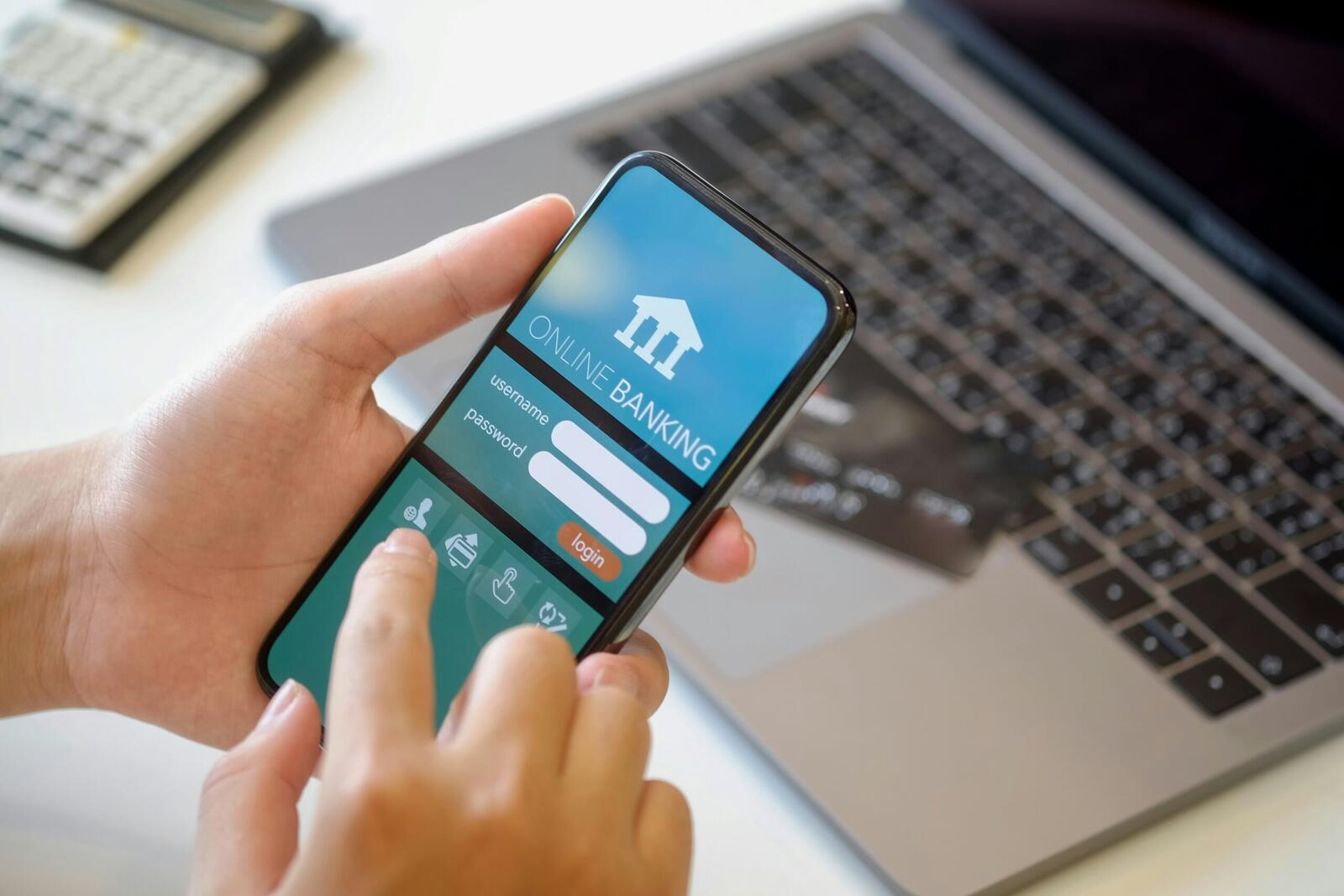
The mechanics are straightforward. With a Pay by Bank payment, customers choose their bank, approve the transfer inside their banking app using Face ID, a fingerprint or a passcode, and the money moves directly between accounts. There are no card details to enter, and the authentication happens in an environment the customer already trusts.
The Awareness Gap
There is a catch, and it’s one that product teams should note. A Yaspa and YouGov study found that payments grew by 53% in 2025, yet only 38% of UK adults were familiar with the phrase “Pay by Bank”, down from 55% the year before. In other words, adoption is rising faster than understanding.
Yaspa’s chief executive argues that consumers won’t choose a method they don’t recognise, and that a standard consumer-facing name would help. For startups, the point is a design one: a good payment experience still has to explain itself.
Lessons For App Founders
Several practical takeaways stand out:
- Cut the steps. Every field a user has to type is a chance to lose them. Pay by Bank removes most of them
- Use biometrics wherever you can. Face ID and fingerprint approval is faster than passwords and codes and users are already comfortable with it
- Be clear about the label. If the payment method isn’t familiar, explain it in plain words at the point of choice, with the bank’s own approval screen as reassurance
- Design for the thumb. Large buttons, clear states and as few screens as possible matter more on mobile than in any desktop flow
- Plan for failure. A declined or abandoned payment should lead somewhere helpful, not to a dead end
- Build trust visibly. Security cues, clear receipts and quick confirmations all matter when money is involved
Where Regulation Fits
In regulated sectors, speed has to sit alongside compliance. Age and identity checks, fraud monitoring and responsible-use tools all form part of the onboarding journey and the best products make these steps quick and unobtrusive rather than treating them as obstacles.
Identity verification technology, such as document scanning and liveness checks, has improved to the point where the extra security no longer has to mean a slower experience.
This is also an area where UK startups have an edge. The country’s regulatory environment has pushed firms to build carefully, and open banking’s success shows what happens when regulation and innovation point in the same direction.
What Comes Next
Several trends are worth watching:
- Variable recurring payments. Sweeping VRPs, which let consumers move money between their own accounts under agreed limits, have grown quickly, and commercial versions are on the way.
- More merchants. As household names add Pay by Bank at checkout, familiarity should improve.
- Smarter fraud tools. Real-time payment data allows more sophisticated detection, which benefits both consumers and businesses.
- Invisible payments. The long-term direction is toward payments that happen with minimal fuss, approved in a moment and settled instantly.
Open banking’s growth shows that users will adopt new payment methods quickly when they are faster, safer and simpler than the old ones. For startups building mobile products, the challenge is to make the same promise at every step, from the first tap to the final confirmation. The products that do will be the ones people come back to.
—TechRound does not recommend or endorse any financial, investment, gambling, trading or other advice, practices, companies or operators. All articles are purely informational—


