


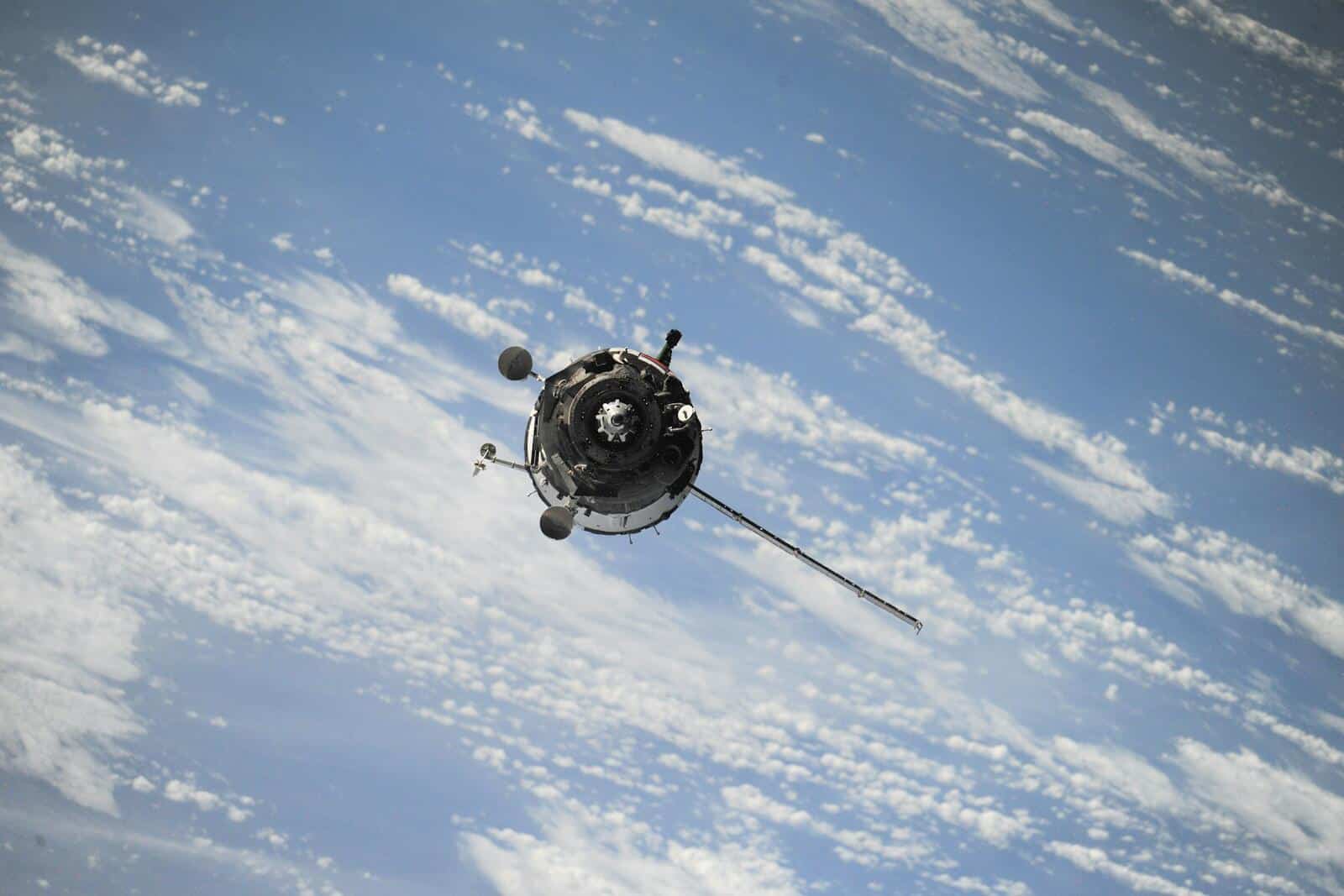
The spacetech industry has had a lot of press recently, but over the past few years, investment in the sector was stalling.
That was until 2025, which turned out to be a record year for investment in this sector. In fact, according to data from space investment firm Seraphim Space, private investment in spacetech reached $12.4 billion in 2025, a nice jump from its previous peak of $12.2 billion in 2021.
Q4 alone accounted for $3.8 billion, making it one of the strongest funding quarters in history for the spacetech industry.
But interestingly, unlike 2021, which was driven by a few high cost investment rounds, this latest influx of investment shows a sector that is growing both outwards and upwards.
Later Stage Rounds Attract Investment
When looking a little closer at the data, it was later stage investments that stole the show. Specifically, funding rounds at Series D and above were up 40% year on year, with Series B and C deals contributing to most of the raises.
This shows that investors are no longer taking punts on new businesses, but are looking for companies with a proven track record. They want to know that the businesses they are investing in have the cashflow, research, employees and partnerships to take them to the next level.
The Spacetech Sector Is Expanding
Another key factor driving investment is diversification.
Whilst spacetech used to be a phrase that described a small number of government agencies looking to explore space, the sector has evolved far beyond this in recent years.
Now, spacetech touches many areas of our lives. From data, to defence, monitoring and logistics, space tech is not just a sector based on exploration, but one that is becoming an important part of our world.
More from Funding
- Lucida Medical Raises £8.7 Million To Supercharge Same-Day AI Cancer Diagnosis
- Deaku Raises £480K To Build “Missing Infrastructure” For The Creator Economy
- Silverflow Raises $40 Million Series B As Cloud-Native Payments Platform Scales Globally
- Plurio By Elly Analytics Raises $3.5M To Automate Up To 90% Of Performance Marketers’ Daily Work
- Smart Bricks raises $5M led by Andreessen Horowitz (a16z) to Build the AI Infrastructure Layer for Global Real Estate
- Stacks Raises $23M Series A To Automate Enterprise Finance With Agentic AI
- Maternal Health AI Startup, Matresa, Secures £315,000 In Pre-Seed Funding In An Effort To Combat UK Crisis
- Elaia’s Fifth Digital Venture Fund (DV5) Announces First Close At €120m To back The Best Of European Tech
Space Launch Companies Are A Hot Ticket
When it comes to the companies driving the biggest funding rounds of 2025, launch companies in particular were very popular. And it’s unsurprising, especially as companies like SpaceX have been pioneering new and more affordable ways to travel and utilise space. Not only that, but they have also made headlines doing it.
Unsurprising then, that a number of competitors have popped up to question their dominance, and investors want a piece of the action. In particular, US-based Stoke Space and Chinese company Space Pioneer attracted hundreds of millions of investment each, showing real interest in making space more affordable.
Defence Spending Provided An Injection Of Capital
As geopolitical tensions were high in 2025, interest and investment in defencetech in particular, boomed. In fact, according to Statista, global government space budgets reached $137 billion in 2025, with defence related spending accounting for more than half of that.
This not only poured more capital into the sector, but also meant governments were investing in and focusing on local companies that protected their domestic interests.
For startups, this presented an opportunity to expand fast, especially if they operated in dynamic economies.
The US Leads When It Comes To Investment Secured
Given the size of the US economy and the fact that governments are investing in spacetech more domestically, it’s no surprise that the US led the pack when it came to investment raised.
In 2025, US companies raised $7.3 billion, which was around 60% of total global investment in the sector.
Europe also saw growth, especially as defence budgets rose. In fact, the ESA member states announced an extra €26 billion budget for 2026-2028 to focus solely on defence.
China also saw good investment numbers, contributing around $2 billion to the annual total.
Could 2026 Be Just As Big?
As 2026 rolls around, it will be interested to see if spacetech’s momentum can continue, or whether it is as a result of short-term hype.
With SpaceX rumoured to IPO soon, this could be the tipping point that sees spacetech legitimised as a valuable sector to invest in.
And with defence budgets on the up, it looks like spacetech isn’t slowing down any time soon.