


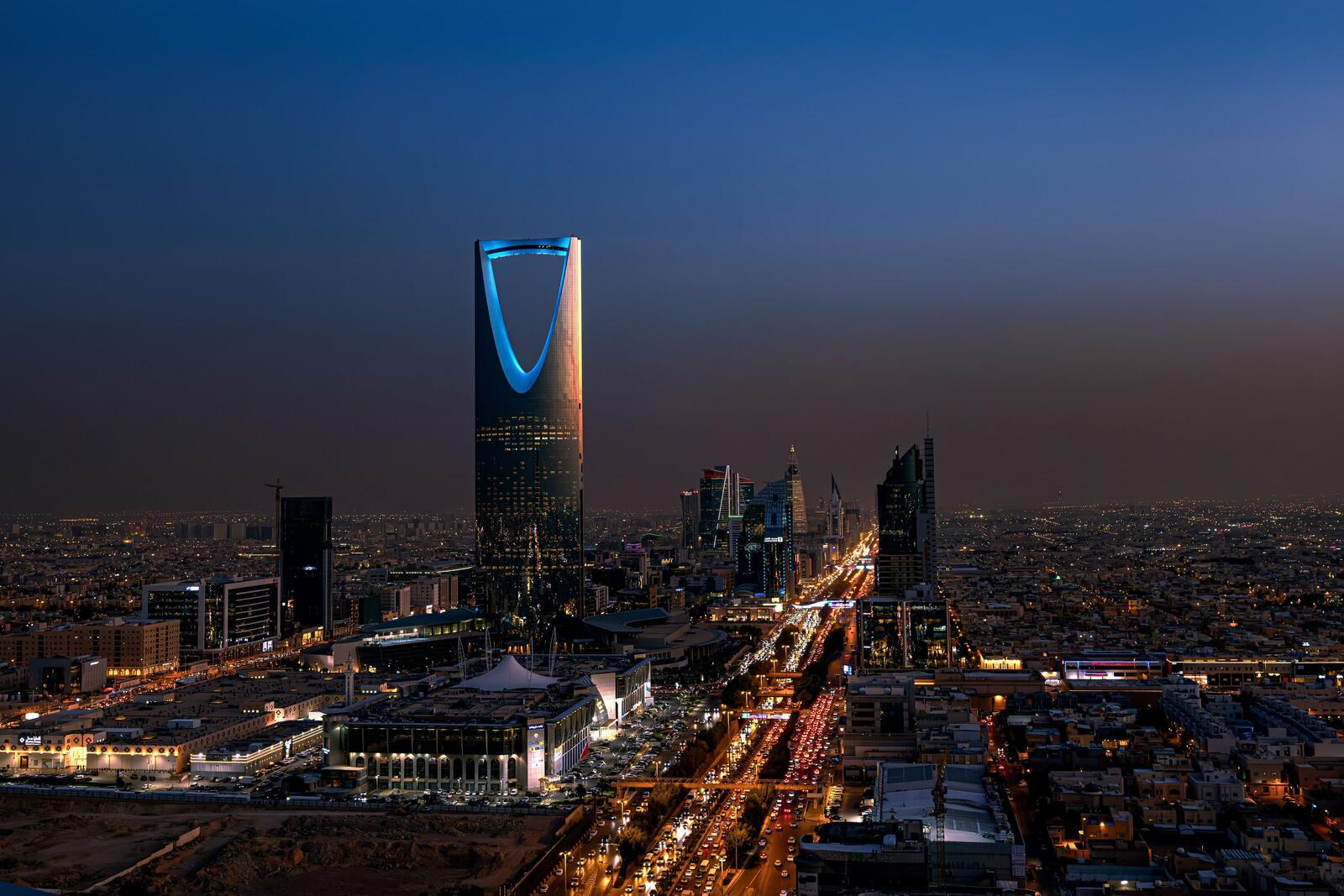
Saudi Arabia has a pretty weird relationship with water. It needs plenty of it, but much of the country is desert, rainfall is limited and growing crops in sandy soil isn’t exactly a walk in the park. Even planting trees becomes a bigger challenge when you have to think about where all the water is going to come from.
These environmental pressures have created opportunities for businesses developing technology to tackle some distinctly Saudi problems. From finding better uses for agricultural waste to helping soil hold onto moisture, climate tech startups are working on solutions that could make the country’s sustainability ambitions a little easier to achieve.
The Environmental Challenges Driving Saudi Climate Tech
Water is one of Saudi Arabia’s biggest environmental challenges. Desalination provides a major source of the country’s freshwater, but it also produces concentrated brine. A 2019 study by researchers at the United Nations University’s Institute for Water, Environment and Health and other institutions found that desalination plants produce an average of 1.5 litres of brine for every litre of freshwater. Saudi Arabia accounts for around 22 percent of global brine production.
The country is also dealing with dry, sandy soil and large volumes of waste. Organic material made up 45.7 percent of recorded waste in 2024, according to the General Authority for Statistics, amounting to 61.7 million tonnes.
Turning Environmental Targets Into Practical Technology
Saudi Arabia has set ambitious environmental targets, including planting 400 million trees by 2030 and reusing 70 percent of treated wastewater by the same year. Reaching them will require more than large infrastructure projects. It will also mean developing technologies that can be manufactured, installed and maintained at a commercial scale.
Universities and research centres have helped bring some of these ideas closer to market, while investment and industry partnerships can give startups a route beyond the laboratory. For these businesses, the next challenge is proving that their technology can work reliably outside controlled testing environments.
More from Startups
- Startup of the Week: LemonEdge
- Why UK Software Startups Are Outsourcing Azure Management (And What To Look For In A Partner)
- Carnegie Mellon University: Alumni That Founded Successful Startups
- 5 Startups Crowdfunding w/c 09.11.2026
- Malta’s Big Push To Attract Global Entrepreneurs
- Enter TechRound’s TechRound100 2026!
- Founders Of The Week: Cassie Easton And Ellie Lindsay-Wood
- Top UrbanTech Startups In Hong Kong To Watch In 2027
1. Terraxy
Founded in 2023 as a spinout from King Abdullah University of Science and Technology (KAUST), Terraxy develops soil-regeneration technology for dry environments. Its flagship product, Carbosoil, is a biochar-based soil enhancer designed to help sandy ground retain water and nutrients. The company says its product can increase plant growth and yields by up to 70 percent using the same amount of water and nutrients. It also aims to lock carbon into the soil over very long periods.
In June 2026, Terraxy secured $3 million in a Seed-2 funding round led by Wa’ed Ventures, the venture capital arm of Aramco, with KAUST also participating. The funding will support its move from pilot-scale production towards industrial deployment, including a planned 30 000-square-metre facility in Al Zulfi, Saudi Arabia. That expansion could help bring its soil enhancer to larger landscaping and land-rehabilitation projects.
2. Polymeron
Polymeron is exploring how agricultural waste can become a useful raw material rather than something that needs to be discarded. The KAUST startup uses date byproducts to create biodegradable plastic pellets that can be processed using conventional plastic manufacturing equipment. It has also worked on using waste from the poultry sector, giving it another potential source of material.
In November 2025, KAUST reported that Polymeron was developing an R&D pilot manufacturing plant, with a new extruder marking an important step in the process. The company was also testing materials with a Saudi industrial partner and working with SABIC and Tanmiah Food Company. Its plans include repurposing around 20 000 tonnes of waste each year. Moving from small-scale production to consistent commercial manufacturing will be an important milestone for the company.
3. NuRain
Wastewater treatment can be difficult in areas that aren’t connected to central sewage networks. In some cases, wastewater has to be transported by trucks to treatment facilities, adding cost and creating further environmental pressures. NuRain, formerly known as Al-Miyah Solutions, is a KAUST spinout developing decentralised wastewater treatment technology for this kind of situation.
Its mobile, modular treatment unit was installed at the National Water Company’s wastewater treatment plant in Rabigh in 2023. The system uses aerobic granular sludge, which groups microorganisms into dense granules, alongside gravity-driven membrane filtration. This allows wastewater to be treated and turned into water for non-drinking uses such as irrigation, horticulture and industry.
KAUST reported that the full-scale unit can treat 150 cubic metres of wastewater a day, producing enough treated water to serve around 1 000 to 2 000 people. The technology’s developers also said it could reduce energy demand by around 50 percent compared with conventional treatment processes.
4. EcoStream
Replacing taps or installing new plumbing equipment can make water-saving upgrades expensive. EcoStream is taking a different approach with a device designed to attach to existing taps and help control how much water is used.
The KAUST-based startup has developed an AI-powered attachment that uses sound analysis to monitor water flow and adjust usage. Its system combines machine learning and Internet of Things technology with a smartphone app that lets users monitor consumption. A small water-powered turbine also recharges the device, removing the need for an external power supply.
KAUST reported that laboratory testing showed the technology could reduce water wastage by up to 50 percent. EcoStream won first prize at the 2024 StartSmart Competition and later received a bronze medal at the iENA International Trade Fair in Germany in 2025.
5. Hydraya
Water management doesn’t end once freshwater reaches a household. Storage tanks and distribution systems also need monitoring, especially when leaks or water-quality problems can go unnoticed. Hydraya is developing technology aimed at making household water management easier to track.
Its AI-powered device is designed to sit inside domestic water tanks and continuously monitor water quality. The company has also developed a digital platform that allows users to track and manage their water consumption. Founder Fahad AlFahhad introduced the solution at the Biban 2025 Forum in Riyadh, describing it as a Saudi-developed platform built by local talent.
Rather than focusing on producing or treating water, Hydraya is looking at how households manage the supply they already receive.
What Needs To Happen Before These Technologies Scale?
Saudi Arabia’s environmental targets create opportunities for climate tech businesses, but reaching them will require technologies that work reliably and make commercial sense.
For these startups, the next few years will be about proving that their solutions can attract customers, secure industry partnerships and operate reliably outside testing environments. Funding and awards can help a company get noticed, but repeat deployments and long-term commercial contracts will provide a much clearer indication of whether its technology is ready to make a lasting difference.


