


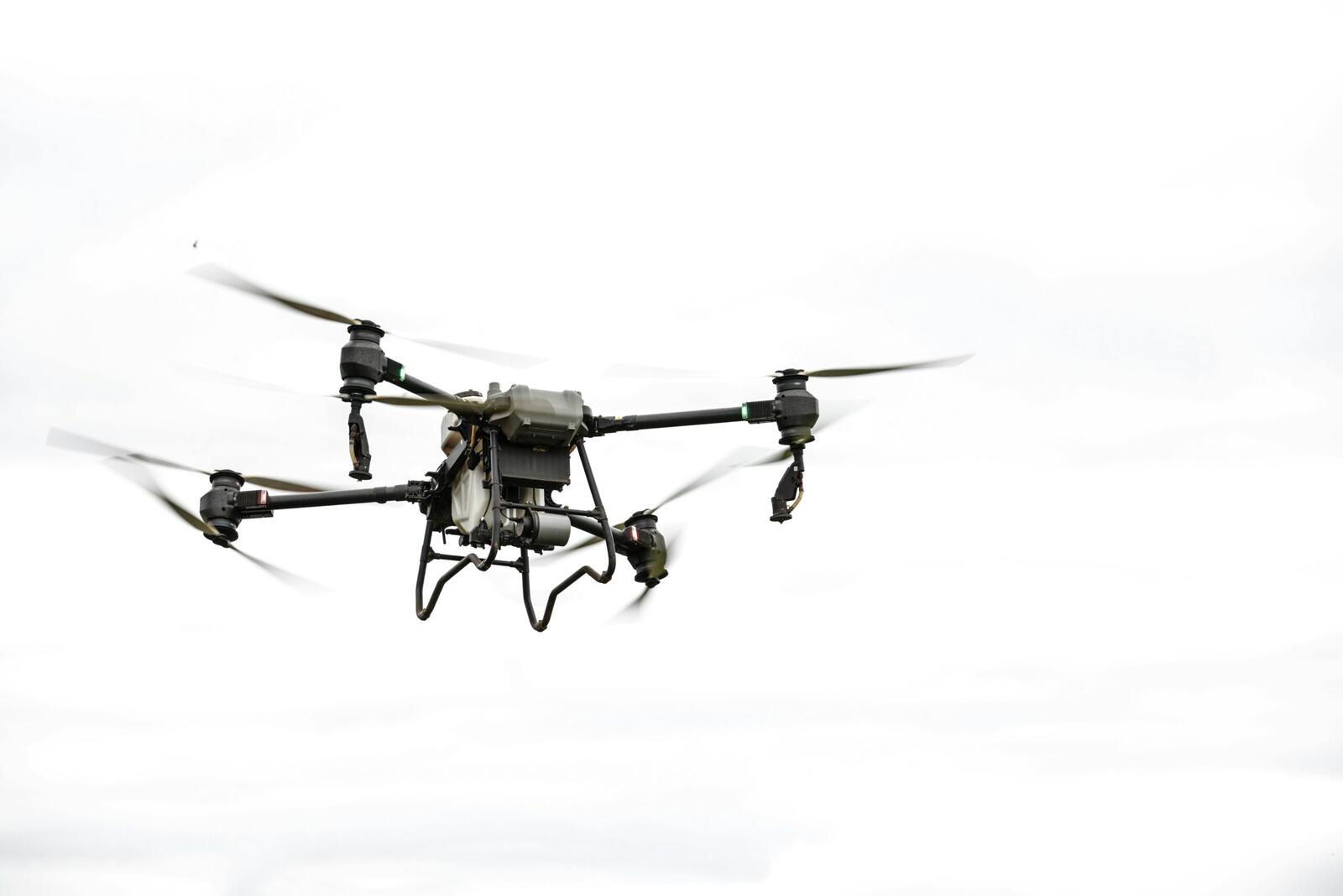
Germany is one of Europe’s fastest-growing DefenceTech hubs. Rising geopolitical tensions, rapid advances in artificial intelligence and increased investment in autonomous systems are driving a new generation of startups to shake up the defence industry. Unlike traditional defence contractors, which mostly focused on tanks, aircraft and heavy weapons, these startups specialise in AI, robotics, drones, cybersecurity, battlefield software and autonomous technologies.
The Ukraine war has triggered innovation in Europe’s defence industry and underscored the importance of cutting-edge military technologies such as drone warfare, AI-powered intelligence systems, autonomous ground vehicles and real-time battlefield data analysis. Germany, once suspicious of defence innovation, now hosts some of Europe’s most valuable and influential DefenceTech startups.
Why DefenceTech Startups Are Important
Modern warfare is changing its face. Old school military gear is no longer enough to deal with cyber threats, drone attacks, electronic warfare and AI-powered combat systems. DefenceTech startups help governments to modernise their defence capabilities through fast-tracked innovation cycles, software-driven systems and flexible technologies.
These companies are also helping Europe reduce reliance on foreign military suppliers. Many German startups are involved in developing European defence systems, encouraging technological independence and interoperability in NATO. Their technologies can enhance surveillance, intelligence, logistics, emergency response, cybersecurity and national resilience.
The Rise Of DefenceTech Start-Ups
DefenceTech startups have been booming in Europe since 2022. Governments and investors are backing new military technologies driven by increased defence spending, geopolitical instability and the realities of modern warfare. AI, autonomous drones, cyber-security systems, robotics and sophisticated surveillance tools are now big areas of investment.
Germany is fast becoming one of Europe’s leading DefenceTech hubs, with Munich and Berlin at the forefront. Traditional defence systems are being developed more quickly and more flexibly and startups are developing technologies that are attracting billions of dollars in investment.
The Future Of DefenceTech
The future of DefenceTech will likely be shaped by artificial intelligence, autonomous systems, cybersecurity and advanced robotics. Swarm drones, AI-enabled combat systems, unmanned naval vehicles and intelligent surveillance platforms are likely to be a routine part of modern defence operations.
Future defence systems will be increasingly software-based, automated and dependent on real-time data analysis. Operations are becoming more interconnected and rapid and depend on intelligent technologies able to operate in highly complex environments.
More from Startups
- Columbia University: Successful Alumni That Founded Startups
- What Is Germany Doing To Attract More Startups?
- Are Hiring Challenges Preventing Startups From Reaching Their Full Potential?
- Meet The Startups Crowdfunding w/c 12.10.2026
- The Cold Start Problem: Why Getting A Startup Off The Ground Is So Difficult
- Founder Of The Week: Ryta Zasiekina
- Top Industrial Tech Startups To Watch In 2027
- Startup of the Week: Kord
Best DefenseTech Startups In Germany
Many investors now regard DefenceTech as one of Europe’s most strategically important technology sectors.
Helsing

Helsing is now Germany’s number one DefenceTech startup and one of the most valuable startups in Europe. The company was founded in Munich in 2021 and initially specialised in artificial intelligence software designed to analyse battlefield data and improve military decision-making. Over time, Helsing evolved to encompass autonomous drones, underwater surveillance systems and AI-powered combat technologies.
The company’s AI systems analyse vast amounts of sensor and battlefield data in real-time. This allows military operators to make faster and better decisions in combat situations. Helsing’s software can be integrated into planes, drones, ships and military communications networks.
Helsing has made one of its biggest developments with the HX-2 autonomous strike drone, which has reportedly been approved for use on the front lines in Ukraine. The startup has also collaborated with European defence contractors including Saab and tested AI-assisted aircraft systems for future combat operations. Helsing has become a symbol of Europe’s push for AI-powered defence sovereignty and modern warfare technologies.
Quantum Systems
Quantum Systems, one of the leading drone technology companies in Germany. The company, founded by former military helicopter pilot Florian Seibel, builds AI-powered aerial reconnaissance systems and unmanned aerial vehicles (UAVs).
The startup was originally focused on civilian drone applications but its technologies quickly became crucial for military and defence operations. Its drones are now used for intelligence gathering, reconnaissance missions, surveillance and battlefield mapping.
Quantum Systems became Europe’s first dual-use drone unicorn after hitting a valuation above $1 billion. The company continues to expand in the fields of autonomous robotics and ground systems, while continuing to maintain strong partnerships with European defence organisations.
Drones are prized for their long endurance, AI-assisted navigation and advanced imaging capabilities. These systems enable military forces to gather real-time intelligence without putting soldiers in direct danger.
ARX Robotics

ARX Robotics builds autonomous unmanned ground vehicles (UGVs) for military and civilian use. The company was founded by former Bundeswehr officers and specialises in robotic systems for logistics, reconnaissance, evacuation missions and battlefield operations.
Its robotic vehicles are modular and highly adaptable, able to carry supplies, evacuate injured personnel or perform dangerous tasks in hostile environments. ARX developed Mithra OS, a software platform that enables robotic systems to be managed remotely and to integrate with sensors.
The startup has been backed by NATO’s Innovation Fund, which is becoming increasingly important in European defence innovation. Several European armed forces are already using its robotic systems, including in operations supporting Ukraine. ARX Robotics is a symbol of the increasing role of automation and robotics in the modern military.
Alpine Eagle
Alpine Eagle is developing counter-drone defence systems. The growing use of drones in warfare has made defending military installations and critical infrastructure from hostile UAVs a high priority.
The startup’s Sentinel Counter-UAS System is built to detect, classify and intercept drones, including swarm attacks and loitering munitions. The solution integrates sensors, AI analysis and interceptor technologies to counter airborne threats.
Counter-drone systems are now one of the fastest-growing segments in DefenceTech, particularly after the boom of the use of drones in modern conflicts.
Dedrone
One of the best-known drone security companies in Europe is Dedrone. The company focuses on airspace protection and drone threat detection for military bases, airports, government facilities and critical infrastructure.
Its systems use radar, RF sensors, cameras and AI software to detect and track unauthorised drones. Once identified, security teams can respond quickly to neutralise potential threats.
Dedrone’s technology is applicable in defence and civilian security contexts. As drone use continues to expand worldwide, companies like Dedrone are becoming increasingly vital to national security and the protection of infrastructure.
Auterion

Auterion creates software platforms and operating systems for autonomous drones. The company’s technology enables drones from different manufacturers to communicate and collaborate in coordinated systems.
The Skynode platform supports swarm operations, NATO compatible communications and anti jamming capabilities. This interoperability is very important for modern military missions where multiple autonomous systems need to work together in real time. Auterion is often called the “software layer” for modern drone ecosystems.
Mayday .ai
Mayday.ai builds AI software for military intelligence and operational decision-making. Its systems are able to analyse vast data sets to deliver situational awareness and strategic insights for military operations.
Modern military environments generate huge amounts of data from drones, satellites, communications systems and sensors. AI-enabled sites like those built by Mayday.ai helps commanders to process information faster and improve operational efficiency.
The company is a sign of the growing importance of AI in modern defence and intelligence systems.


