


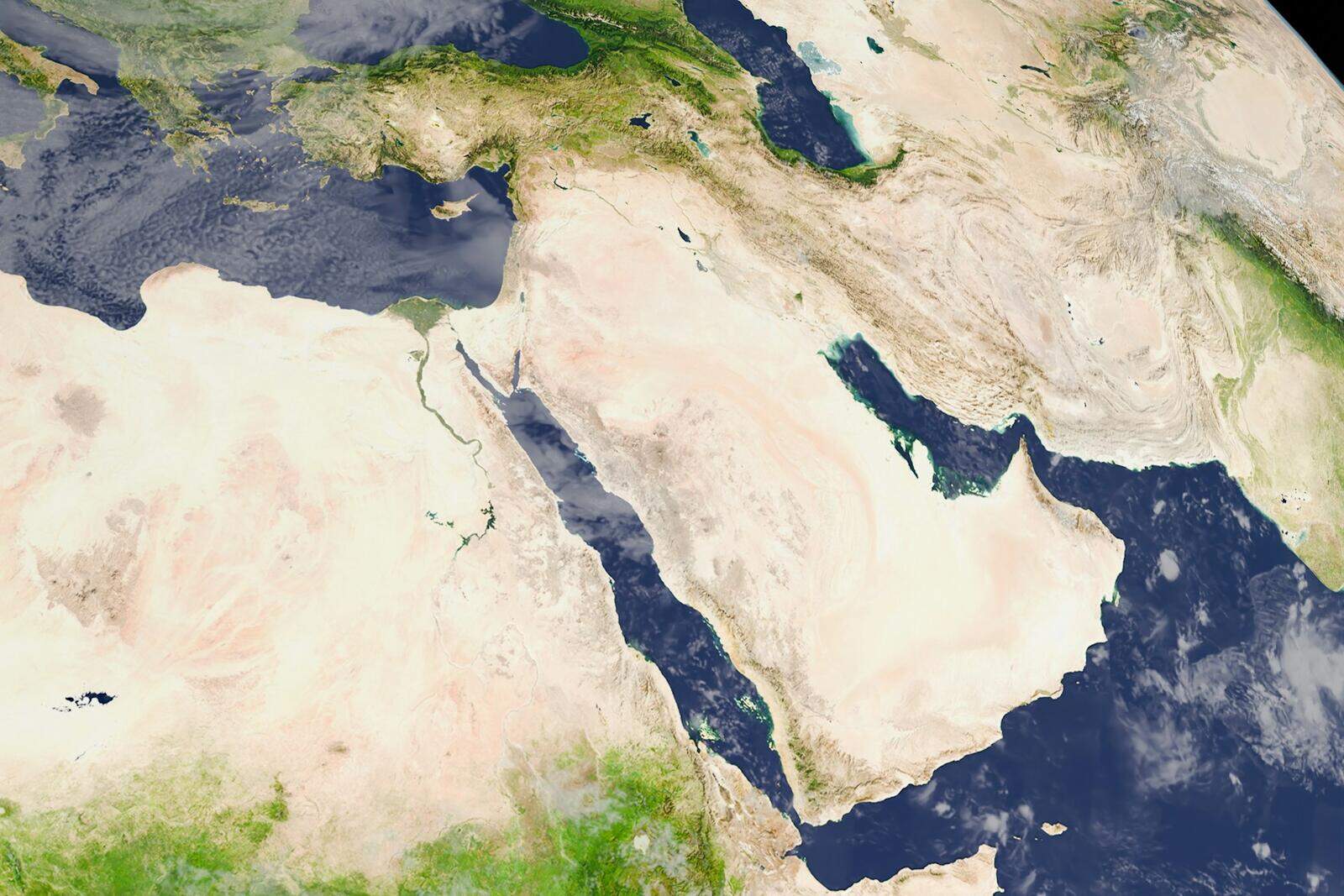
The Middle East is quickly becoming one of the world’s most exciting regions for tech and innovation.
As governments across the Gulf and wider MENA region invest more in attracting entrepreneurs, investing capital and infrastructure, a number of hubs are emerging that startups are flocking to.
Why Are The Middle Easts’ Startup Hubs Booming?
There are a few reasons why The Middle East is quickly becoming a tech powerhouse. These include:
- Increased government investment in AI and infrastructure.
- Favourable business environments and tax laws.
- A young population with strong educational backgrounds.
- A priority shift away from oil wealth and investing heavily in innovation.
So, which countries host some of the biggest and most exciting startup hubs across The Middle East? We analysed data from Startup Blink, AD Middle East, Gulf Magazine and Rasmal to find out.
Dubai, UAE
Across all the data sources analysed, Dubai is widely recognised as one of the most exciting startup ecosystems in the MENA region.
The UAE’s favourable tax system, alongside their investment in infrastructure, global connections and business development, mean that Dubai is regularly listed as one of the Middle East’s top startup cities.
Dubai is also home to a number of startups, pioneering AI, fintech, blockchain and e-commerce. The city also hosts GITEX, one of the biggest tech events in the world.
Riyadh, Saudi Arabia
Riyadh is fast becoming one of the Middle East’s most exciting tech cities.
As part of Saudi Arabia’s Vision 2030 plan, the government is investing billions of dollars into data centres, AI and other tech to diversify it away from just oil and establish it as a major innovation hub.
Already, Saudi Arabia has announced partnerships with companies like Google Cloud and Qualcomm to help them build AI infrastructure there.
On top of this, Saudi recently announced a $14.9 investment designed to nurture homegrown talent, startups and high-impact technology projects.
More from Startups
- Top Fashion Startups In Germany
- 8 Startups Crowdfunding w/c 30.03.2026
- Founder Of The Week: Vlad Zhovtenko
- Top MedTech Startups In Saudi Arabia
- Startup of the Week: SPOR Group
- Top Sustainability Startups In The Netherlands
- Top Blockchain Startups in Germany to Watch
- 8 Startups Crowdfunding w/c 23.03.2026
Abu Dhabi, UAE

A second entry from the UAE, Abu Dhabi is setting itself up as a tech hub, focused on autonomous technology, AI and deeptech.
At the heart of this is VentureOne, a government-backed company designed to help convert deeptech research into commercial businesses. Another key initiative is Hub71, launched in 2019 by the UAE government and designed to support economic growth by backing startups. As of June 2023, according to Wikipedia, Hub71 has supported 260 startups in their growth.
Tel Aviv, Israel
Tel Aviv is another city that constantly tops lists of global tech hubs, not just in the Middle East.
According to Wikipedia, Israel is home to 42 unicorns, which is 4.2 unicorns per million people. This puts them second on the list of countries with a high unicorn to population ratio, being beaten out only by Estonia.
As Tel Aviv is home to 90% of Israel’s startups, its no surprise that the city has become globally recognised for its innovation.
Cairo, Egypt
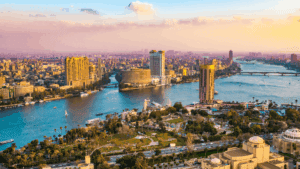
Cairo has quickly become one of the most up and coming tech markets in the Middle East. According to fast company, the country has 280 startups founded and funded since 2010.
One of the main reasons behind this is Egypt’s talent pool. Young Egyptians have taken a real interest in STEM subjects and with over 300,000 graduates every year, it has a lot of man power behind its growth.
Egypt also has a number of government initiatives to help fuel growth, including FinTech Egypt and Egypt Ventures, designed to give young businesses easier access to capital.
Doha, Qatar
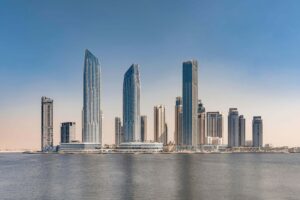
Qatar is another country that is solidifying its reputation as a tech hub. With a strong pro-investor policy and specific AI, cloud and fintech programmes, Qatar is growing, and fast. (The Gulf Independent).
The Qatari government has also launched their Qatar Digital Agenda 2030, designed to build a digital economy through programmes that encourage infrastructure, innovation and tech development.
This government commitment, alongside its favourable tax laws make it an appealing destination for startups looking to grow.