


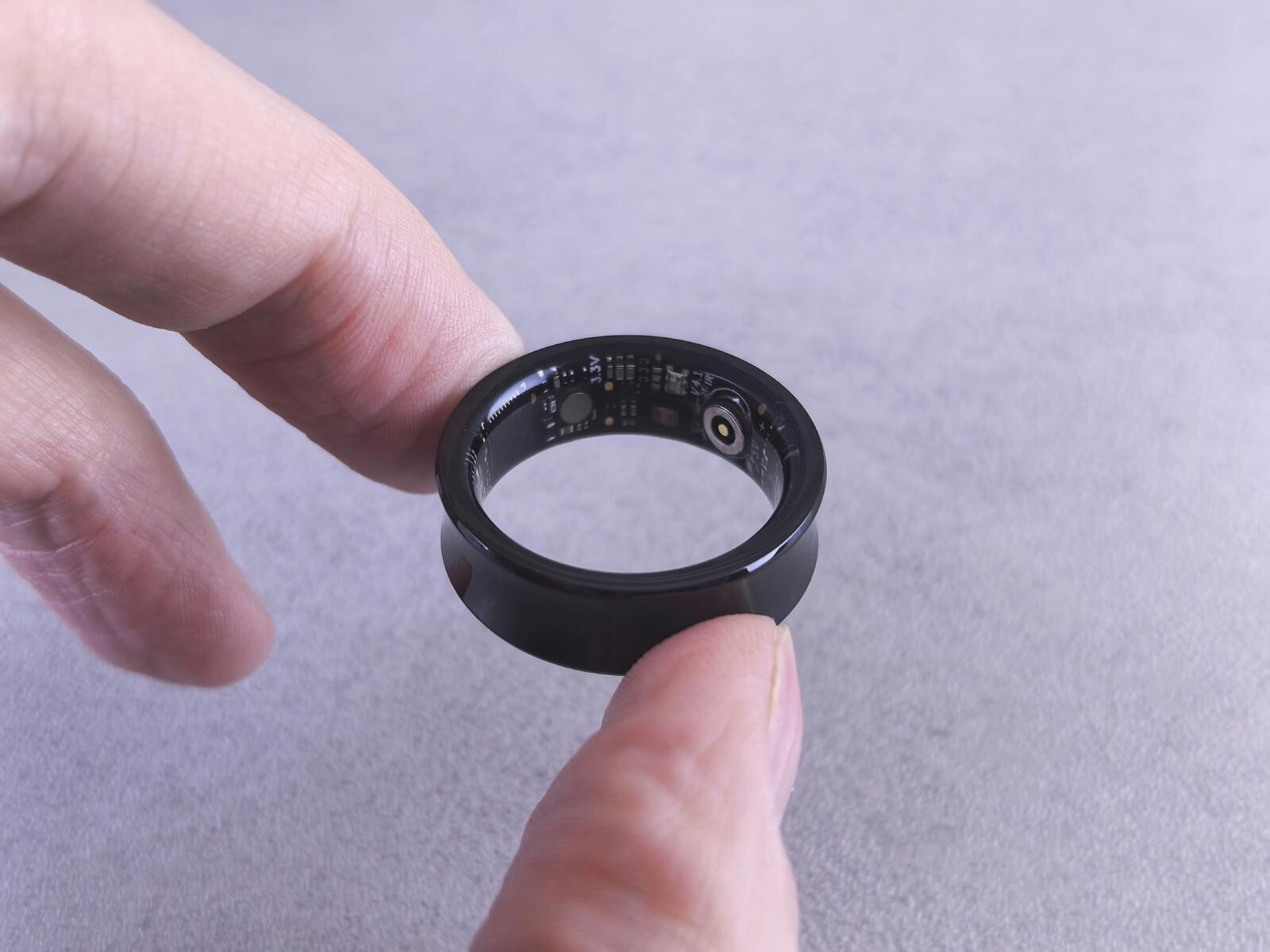
Oura filed for a US IPO this week, planning to list its shares on Nasdaq under the name OURA, according to Reuters. The company makes smart rings that track things like heart rate, sleep and physical activity, then turns that information into scores for things such as readiness and recovery. Oura isn’t alone; WHOOP, Apple, Garmin and other wearables can also take measurements from your body and turn them into scores for sleep, stress, activity and more.
You put on a ring or watch, go about your day, and eventually your device tells you that you slept badly, need more recovery or should probably take it a little easier. But how does a bunch of data measurements become a recommendation about what you should actually do?
Your Wearable Starts With Simple Measures
Before a score appears on your screen, the device is collecting physiological signals. Depending on the wearable, these can include heart rate, heart-rate variability (HRV), movement, sleep duration and patterns, skin temperature, physical activity and, on some devices, blood oxygen. Oura says its Ring can measure more than 30 biometrics, including heart rate, body temperature and blood oxygen, while its sleep score uses factors including total sleep, HRV, nighttime movement and sleep regularity.
A change in your heart rate is a change in your heart rate – it doesn’t come with an explanation attached. The wearable has to compare that information with other signals and with your previous data before its software can produce an estimate of what might be happening. Your body produces the data, and the wearable produces the interpretation. Which are two totally different things that can look really similar once they’re reduced to a number.
Consumer wearables also do this with sleep, using signals such as movement and heart rate to estimate when you’re asleep and, on some devices, different stages of sleep, rather than directly measuring the brain activity and other signals recorded during a clinical sleep study. Research has found that these devices can be useful for tracking general sleep patterns, but their estimates don’t always line up with what you’d get from a clinical sleep study.
More from Tech
- Women In Tech: Top 10 Women In Quantum Computing In 2026
- Self-Reliance By Design: The Best Health Tech Makes You Need It Less
- Volvo Wants To Take Your Hands Off The Wheel By 2030 – What Is Level 2++?
- What Businesses Should Know Before Collecting Public Web Data At Scale
- What Wearable Tech Can’t Tell You About Heart Attacks
- Top Physical AI And Industrial Robotics Startups In Japan To Watch In 2027
- From Pit Lanes To Cargo Planes: The Logistics Behind Moving Formula 1 Around The World
- AI Can Now Build A Free Adobe Rival – So Why Can’t It Open Files?
Where Does The Score Come From?
The software isn’t working from today’s measurements alone – it has an idea of what’s normal for you. Your previous sleep, activity and physiological data gives it a baseline, so a change that might look huge on its own can be viewed differently depending on what your usual numbers look like.
Oura’s Readiness Score combines short-term and long-term information, including resting heart rate, HRV, sleep and activity. According to Oura, some of its balance measurements use data from the previous 14 days and compare it with a longer-term personal average, giving more weight to recent days.
Instead of just telling you what your heart rate or sleep looked like, the software is asking how those numbers compare with what it has learned about you.
We’re Giving Our Bodies Scores
It’s become normal to wake up and check whether you’ve performed well physically before you’ve even got out of bed – good sleep, poor recovery, high stress, low readiness and an activity target still waiting to be hit. It’s basically a school report for your body, except you can’t exactly graduate and leave.
Having all that information in one place can make patterns easier to spot, especially when you’re looking at weeks or months rather than one day’s score. The problem is that the number can also start to feel more authoritative than how you actually feel. According to research published on PubMed, researchers described patients who had become preoccupied with their sleep-tracker data and referred to this behaviour as “orthosomnia”.
That doesn’t mean everyone with a sleep tracker is going to become obsessed with their score, but it does show how a number can start influencing how we think about our own bodies. If your watch tells you that you’ve had a terrible night’s sleep while you wake up feeling perfectly fine, which one are you going to trust?
The Number Isn’t Your Body
Wearables have made it really easy to turn something like sleep, recovery or stress into a number you can understand in a few seconds. Instead of scrolling through pages of heart-rate data or trying to work out whether a change means anything, you get a simple score telling you how the software has interpreted it.
Your watch or ring isn’t telling you exactly how your body feels – it’s taking the signals it can measure, comparing them with your data and deciding what those changes might mean. That can make all of this information much easier to act on, but it also means we’re putting a lot of trust in an interpretation that we don’t really get to see or understand.


