


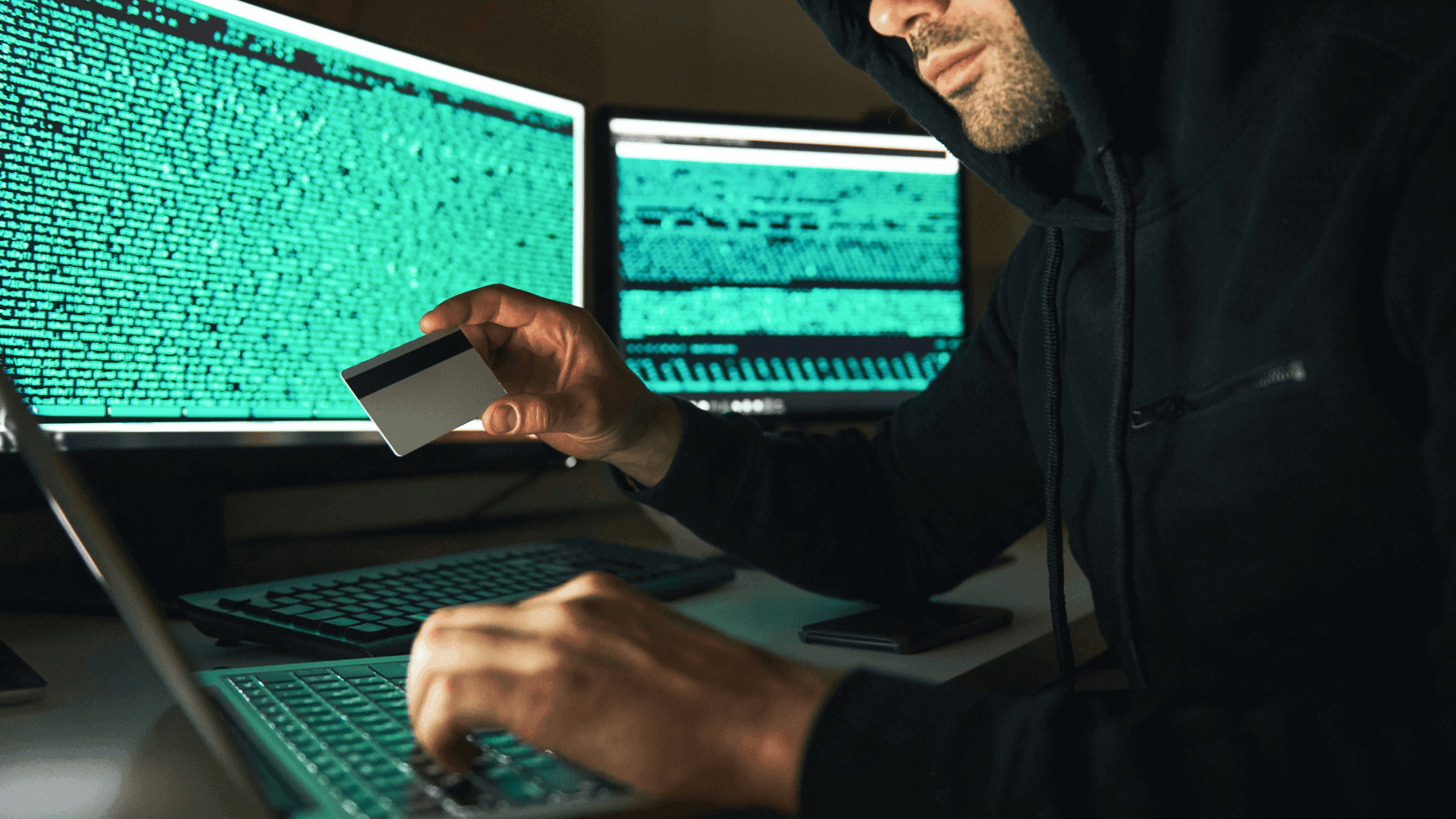
Identity theft is one of those crimes that you don’t really give a second thought – until it happens to you. And it happens fast. By the time you notice that someone has opened a credit card in your name or emptied out your savings account, it’s already far too late.
Of course it’s financially devastating. But it’s also equally as emotionally exhausting. In the UK, the statistics paint a pretty alarming picture. In 2024, almost 250,000 cases of identity fraud were recorded by the National Fraud Database. Meanwhile, Fraudscape reported that UK individuals lost around £11.4 billion to scams, up £4 billion from the previous year.
So naturally the question is, what can you do to prevent identity theft from happening to you? Things like using strong passwords, keeping an eye on your bank statements and and being mindful of what you share online are all recommended.
But so is using an antivirus software. Yes, they protect your computer first and foremost from viruses. However, their features indirectly safeguard your identity too.
How Does Your Identity Get “Stolen” The First Place?
Criminal tactics to get your information to steal your identity have come a long way. And most are designed to happen right under your nose without you noticing.
Phishing still remains the leading type of cyber attack in the UK, accounting for 84% of all cyber incidents. They appear in the form of convincing-looking emails or texts from someone you know or a reputable institution. But click the wrong link and you end up on a website that captures all of your information as you type. Your passwords, account numbers and personal details are handed over in an instant.
Another common culprit is none other than malware. Software that is installed on your device without your knowledge and watches your every move. As soon as you type in your banking details and information are recorded.
Here Is Where Antivirus Software Earns Its Keep
Blucando reports that almost 80% of scams in the UK are now digitally-enabled. Which makes sense because we can do almost everything online now, and it’s convenient. Of course, also more risky.
But this is where antivirus software comes in. By blocking these threats as they appear on your device, they don’t stand a chance to carry out their attacks because they’re gone before they can.
Removes Malware Before It Infects Your Computer
The most fundamental job of antivirus software is to find and remove all forms of malware, including spyware and trojans before they cause the damage they intend to do.
Modern antivirus is highly sophisticated, using behavioural analysis to identify suspicious activity. If a file or download begins to act even remotely strangely, it’s isolated and removed.
More from Tech
- These Tech Jobs Are Paying The Most In 2026
- Apple Has Delayed Its Foldable iPhone Again, Is The Tech Giant Losing Its Edge In Hardware Innovation?
- Before You Cut The Cord, What Are VoIP’s Limitations?
- What Is Space Mining?
- AI Is Finally Solving The Online Returns Crisis, And It’s Worth Billions To Whoever Gets There First
- What Happens When A Data Centre Reaches End Of Life?
- Lloyds Bank Exposed 448,000 Customers With A Single Faulty Update, Every Fintech Founder Should Read This
- Women In Tech Day 2026: Why Are Women Still Underrepresented In The Industry?
Intercepts Phishing Attempts
Nowadays, antivirus software includes browser protection to warn you if you try to visit a known phishing site. Even if you had to try click on a link from a website or text message, antivirus steps in to stop the page from loading.
Phishing sites have become very convincing so this is incredibly useful to have. They can even impersonate bank and government websites which look legitimate.
Manages Your Passwords
We’ve all been there. Using the same password – or slight variations of it – for multiple accounts and websites because it’s easier to remember. For identity thieves, it’s like Christmas morning. Once they get access to one account, they can access multiple.
Fortunately, most antivirus software includes a password manager which automatically creates and stores unique passwords for each of your accounts. All you need to remember is one master password to access the rest of them.
Monitors Potential Data Breaches
The more advanced antivirus software comes with a feature called dark web monitoring. Essentially, it monitors forums and marketplaces within the dark web where data is traded and sold.
If any of your personal details or passwords turn up, you receive a warning to change your details as soon as possible.
This is usually included in premium antivirus packages, but definitely worth having.
Is Antivirus Alone Enough To Protect Your Identity?
No technology is 100% foolproof and in this case, antivirus software is just one piece of the privacy puzzle. Having an antivirus is certainly a start, and keeping it updated will give you more security.
Always be mindful when it comes to your online activities, especially when looking at emails even if you trust the sender. Most apps offer two-factor authentication as an extra layer of protection, so try to use this where you can.
Given that identity fraud now costs the UK around £1.8 billion every year, taking a proactive approach to your security can save you the financial and emotional turmoil down the line.