


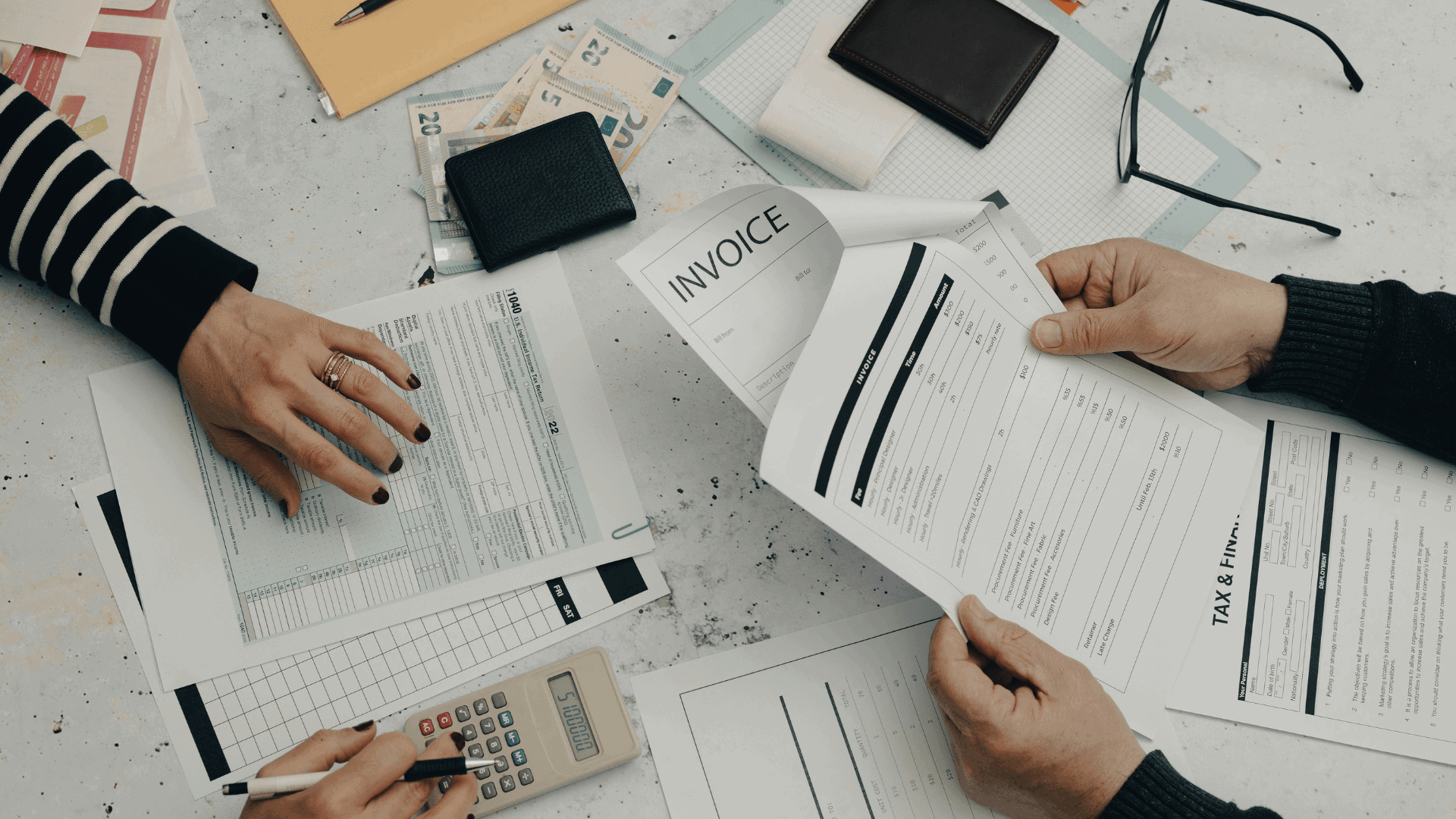
Payroll may not be the most exciting part of a business, but it’s essential and has come a long way in its own right. It used to be an admin nightmare, full of paperwork and handwritten calculations. Not to mention the fear of making a mistake ever-present in the room. Even just the smallest error could mean someone being paid incorrectly or a compliance rule broken by accident.
But today, things on the payroll side look completely different. Using modern software, what used to be careful number-crunching can now be done in a fraction of the time. Additionally, this software can also usually handle automatic tax calculations, processing any employee benefits and submitting compliance reports on time.
Of course, this didn’t happen overnight. Its taken years for payroll technology to evolve to where it is today and understanding that evolution can really help us appreciate why our modern systems are built the way they are.
Companies that offer payroll software in the UK include:
The Early Days Of Manual Payroll
In the past, anything payroll-related was done by hand. That meant employers had to track hours using paper timesheets or punch cards and payslips were handwritten. At that time, most businesses were small and regulations weren’t as complex as they are today, so it worked to an extent.
That method still had plenty of challenges though. It was time-consuming to do the calculations and they were not exempt from human error. It also meant that it was easy to misplace the records which caused plenty of frustration.
Over time as businesses grew, it was evident that manual payroll was just too risky.
The Evolution Of Payroll Technology
Prior to the digital systems that we use today, payroll staff upgraded to using calculators to speed up the process. It did reduce some of the manual effort but still required human involvement.
When computers entered the workplace, they were used to process payroll data. However, they were costly and mostly accessible to big companies only.
But as time went on, the technology began to develop further.
Desktop Payroll Software
In the late 1980s and 1990s, personal computers became more common. As a result, payroll software moved onto these desktops. For small to medium size enterprises (SMEs), it was a godsend.
It meant that businesses could install payroll systems directly onto their office computer and everything could be managed in-house. Here, tax and deduction calculations became automated, payslips and reports could be printed and employee records were kept digitally.
Still, desktop systems had their limitations. Since the data was stored locally, it was more vulnerable to getting lost and software updates had to be completed manually.
The Cloud Revolution
Payroll moving online was undoubtedly one of the biggest milestones in the evolution of payroll technology. The software was no longer limited to one device and businesses could now use payroll platforms online.
It gave companies access to the data from anywhere at any time and updates happened automatically. All calculations and reporting could take place in real-time and payroll was no longer tied to a physical office.
As companies expanded into multiple locations and hired international employees, it made collaboration much easier.
More from Tech
- Digitally Reframing HealthTech: How Tabitha Howe Is Changing What You Know About Medical Innovation
- Khanna Vs. Agarwal: Is Big Tech Shifting From Influence To Direct Political Control?
- DeepSeek Just Had Its Worst Outage Ever, And That Tells You Everything About Where AI Is Heading
- Europe Finally Has An AI Infrastructure Plan, The Problem Is Everyone Else Has Had One For Years
- Congratulations, You Can Now Ship An App In A Weekend – So Can Everyone Else
- Amazon Just Bought Its Second Robot Startup In A Week. Should Robotics Founders Be Excited Or Nervous?
- Global Tech Investments Went Up 10% – What Does This Mean For Startups?
- OpenAI Built The Future Of Video, Then Pulled The Plug. What Were They Thinking?
Integration With HR And Finance Software
The next phase of payroll’s evolution was its integration with software in other departments. Instead of operating in isolation, it could work with HR and accounting systems to create smoother workflows.
All payroll data could automatically sync with accounting records and employee details would be updated across all channels to reduce errors.
The automation meant that less human input was needed and improved its accuracy while saving payroll staff time to focus on other areas.
Automation And Self-Service Features
The automation side continued to evolve, now allowing tasks to run in the background that usually required constant human attention. Payroll runs can be scheduled ahead of time, taxes are calculated automatically and any errors are detected long before they cause real problems.
Employee self-service portals have also become the standard. It allows them to view their payslips and access their tax documents as well as update any personal information as needed.
Not only has this evolution reduced the admin workload, but also given employees more control over their data.
The Introduction Of AI And Data Analytics
We are now at the point where Artificial Intelligence has been introduced to payroll. Slowly but surely, AI and data analytics will begin to shape the future of payroll.
Machine learning is able to identify payroll anomalies long before mistakes occur while data analytics can forecast labour costs and workforce trends. Payroll systems have now moved from only focusing on processing salaries to being a useful tool in strategic decision-making.
As more businesses embrace remote working, AI will play a role in real-time and on-demand pay and give employees even more personalisation opportunities.
It’s safe to say that every step of payroll’s evolution has reflected the changing needs of both businesses and employees, and is expected to become more intelligent and connected in the future.