


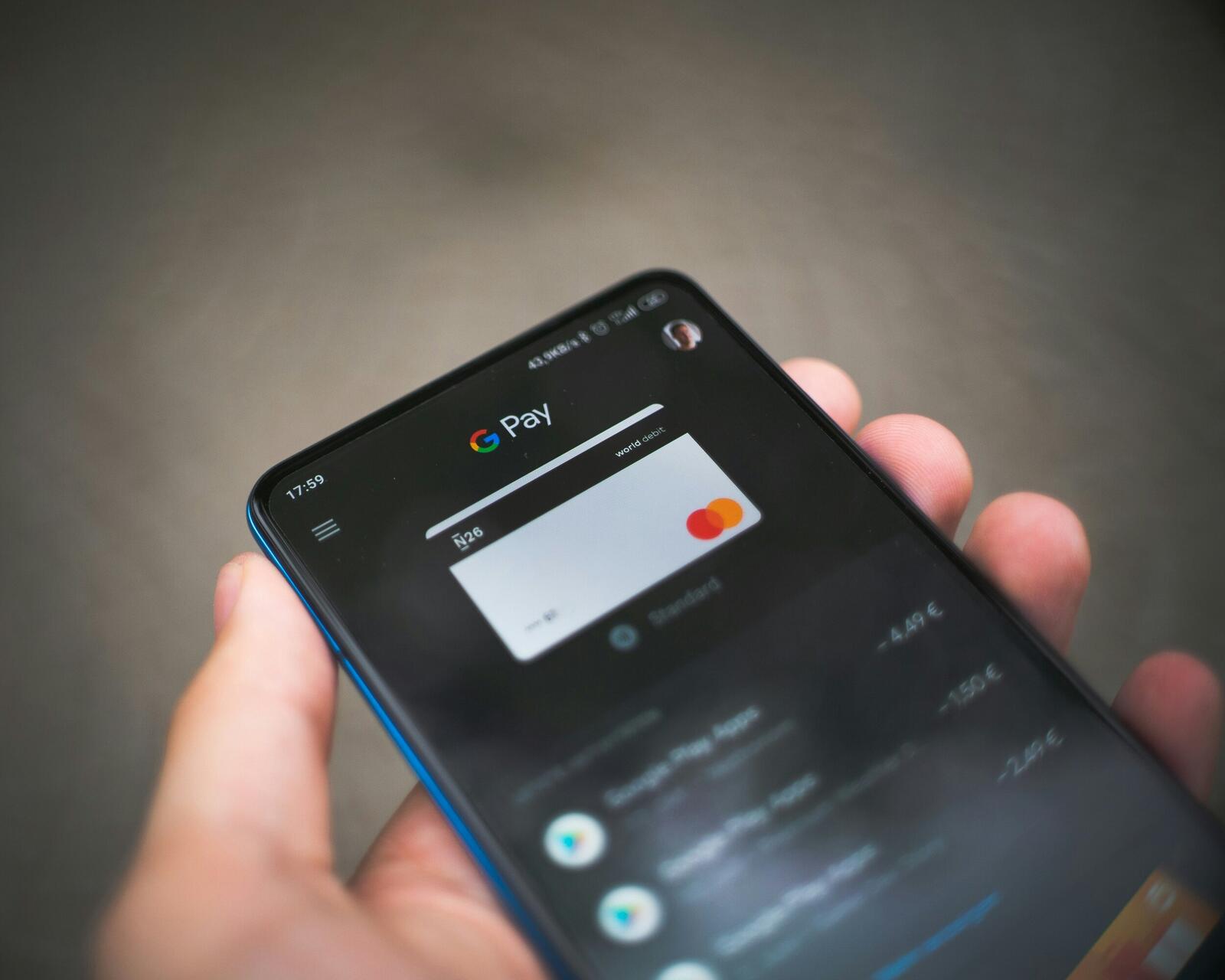
For most of us, banking has become something we barely think about on a daily basis. Financial management no longer necessitates visits to a physical bank – we can simply tap a card, transfer money through an app, check our balance online and assume everything will work as it should and our funds will be safe existing somewhere in the clouds. But, what happens when things aren’t quite so seamless and they don’t work exactly as they’re supposed to? And more importantly, if your bank suddenly goes offline, does that mean your money is completely out of reach?
Recent disruptions across the US have brought these questions into focus. On 16 November, customers of several major banks reported problems accessing accounts, checking balances and making transactions. JPMorgan Chase later confirmed that a software bug in its internal hardware systems had caused the disruption, insisting there was no evidence of a cyberattack and that the issue had been resolved.
While Chase was at the centre of the incident, customers of other institutions, including Bank of America and Wells Fargo, also reported difficulties. Some banks clarified that their own systems remained operational, but it was transactions involving Chase that were delayed. According toreporting from Business Insider, the disruption affected services across the banking network, and that clearly highlighted just how interconnected modern financial systems have become and how dependent we are on the technological infrastructure upon which they are based.
But, it’s important to be aware of and understand that while an outage can be incredibly inconvenient, it doesn’t necessarily mean your money has disappeared. However, that may be a technicality that feels kind of irrelevant if you’re not able to leave a restuarant becasue you can’t pay the bill!
Your Money Doesn’t Live In Your Banking App
One of the biggest misconceptions about digital banking is that the money we see on our screens somehow exists inside the app itself. It may sound like a silly thing to say or think, but for those of us who don’t understand all the ins and outs of how these things work and the technical base upon which these systems are built, it’s not a totally crazy assumption. The reality, however, is that your banking app is simply an interface that allows you to view and interact with information held within your bank’s systems.
Your balance is recorded in the bank’s accounts and databases, but payments and transfers are processed through a network of financial systems connecting banks, payment providers and other institutions. As the Bank of England explains quite clearly and succinctly, most money in the UK already exists electronically as bank deposits rather than physical cash.
This means that you can relax a little bit – if your banking app stops working, that doesn’t necessarily mean that your money is just going to disappear with it. The problem might be that the systems responsible for displaying your balance or processing a transaction are temporarily unavailable, rather than anything happening to the underlying funds.
It’s a bit like losing access to a website without the information stored on its servers suddenly vanishing. It still exists and hasn’t disappeared forever, but you can’t access it when you want it.
Could a Bank Outage Mean You Can’t Access Your Money?
Access is really at the centre of this conversation: it’s more about what you can access rather than where the money “goes”, so to speak. Even if your money is still safely recorded in your account, a technical failure can temporarily prevent you from accessing it, and that’s a bit of a logisitical nightmare.
If a bank’s systems go down, customers might be unable to log in, withdraw cash, make card payments, transfer funds or check whether a payment has gone through. Depending on the nature of the problem, some services might continue working while others are affected, which can be confusing and quite frustrating, to say the least. And because banks rely on interconnected systems, an issue at one institution can sometimes have consequences elsewhere. A delayed transfer between two banks, for example, could affect customers who aren’t banking with the institution experiencing the original problem.
So, that doesn’t necessarily mean the entire banking system is failing, but it does demonstrate just how much we rely on technology working behind the scenes.
What If a Bank Actually Collapses?
This is where things become a little more serious, because a temporary technical outage and a bank failure are two very different situations. While we’re probably a bit too quick to panic about a banking glitch, we may also be a little nonchalant about actual failures in broader systems. An outage, on the one hand, is generally a disruption to the systems that allow a bank to operate, but a full-on bank failure, on the other hand, happens when an institution can no longer meet its financial obligations and is closed by regulators.
Fortunately, most countries have deposit protection schemes designed to protect customers if their bank goes bust. For instance, in the US, the Federal Deposit Insurance Corporation (FDIC) protects eligible deposits up to $250,000 per depositor, per insured bank, per ownership category. If a bank fails, the FDIC typically arranges for another institution to take over insured deposits or pays customers directly, so the immediate result isn’t just going to be that anybody banking with the bank in question is going to lose their money.
Similarly, in the UK, the Financial Services Compensation Scheme (FSCS) protects eligible deposits up to £120,000 per person, per authorised institution. The scheme aims to pay compensation within seven working days of a bank failing.
These protections don’t necessarily mean customers will experience no disruption at all, but they do provide an important safety net that is very necessary. In fact, following Paraguay’s recent Ueno Bank failure, these protections have never been more important. The rules and limits vary between countries, so it’s worth checking which scheme applies to your own bank.
Are We Becoming Too Dependent On Digital Banking?
The recent US outages are a reminder of just how much of our financial lives now depend on technology, if we weren’t well aware of this fact already. For many people, cash is no longer the first option (some people don’t really use any cash at all anymore, I know I don’t), while physical bank branches and traditional ways of accessing money have become less central to everyday banking.
Digital banking has made managing money faster and more convenient, but it also means that even relatively short disruptions can have a noticeable impact. This obviously doesn’t mean we should be worried every time a banking app stops working. Most technical outages are temporary, and safeguards exist to protect deposits if a bank actually fails.
Still, keeping a little cash available, knowing how to contact your bank outside its app and understanding what deposit protection covers are sensible precautions and definitely advisable. But ultimately, the question isn’t whether banks can experience technical problems at all, because you can rest assured that in theory, they absolutely can and actually, they probably will at some point, at least occasionally. It’s whether the systems supporting our money are resilient enough to keep things moving when something goes wrong.