


When NASA announced that astronauts on upcoming missions will be allowed to take modern smartphones into space, the initial reaction was fairly predictable – jokes about zero-gravity selfies and “space TikToks.” The latter may not even be – and I hate to say it – a joke.
But there’s more happening here than just fun visuals or a publicity moment.
What NASA is actually doing reflects a broader shift in how space agencies are thinking about cost, technology and what tools are considered good enough for real missions.
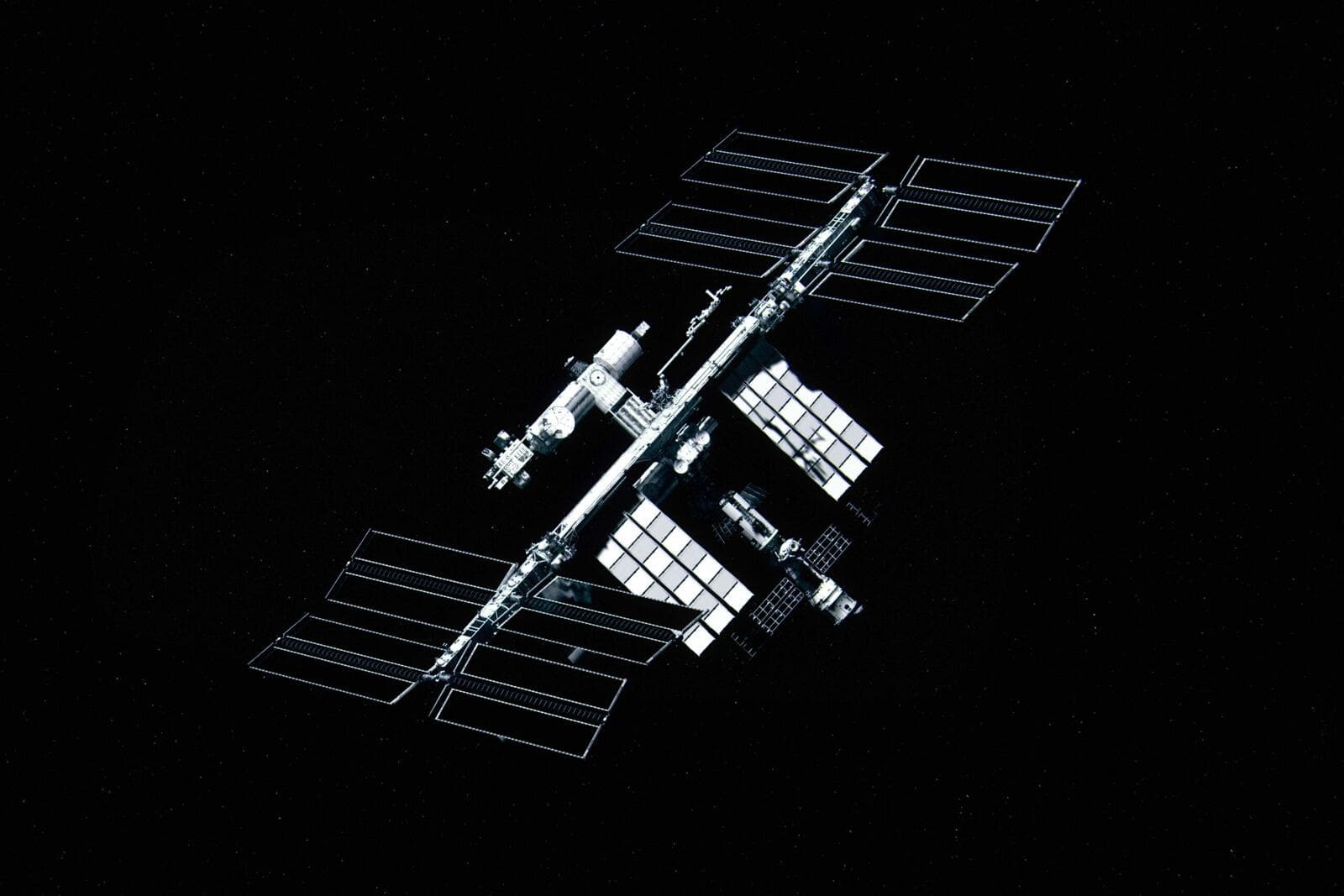
Starting with the Crew-12 mission to the International Space Station and extending to the Artemis II lunar flyby mission, NASA will allow astronauts to bring modern smartphones – both iPhone and Android devices to allow the biggest feud of the digital age to extend into space – on missions previously reserved for highly specialised hardware.
According to NASA Administrator Jared Isaacman, this decision gives crews better tools for capturing moments and sharing them with the world, but it also represents a qualified shift in how consumer technology can be incorporated into spaceflight systems.
But how exactly?
From Specialty Hardware to Consumer Off-the-Shelf
Space agencies have traditionally been incredibly cautious about the hardware they send beyond Earth. Electronics must pass rigorous testing for radiation tolerance, vacuum performance, thermal extremes and electromagnetic interference – conditions far harsher than typical consumer environments. But the fact that NASA has now qualified modern smartphones for spaceflight at a faster timeline than usual suggests that some of these long-held assumptions are being reassessed. Kind of how we used to think having a cell phone switched on during a flight might result in the entire aircraft spontaneously combusting.
Now, this isn’t the first time NASA has experimented with mobile devices in space.
As far back as 2013, NASA launched a series of PhoneSats – nanosatellites built largely around off-the-shelf smartphones – to orbit and transmit data. These experiments showed that a commercial phone’s sensors and processing capabilities could make a viable “brain” for a cube satellite, at a tiny fraction of the cost of traditional spacecraft electronics.
As such, that concept continues to influence how NASA and other organisations approach low-cost space systems today. Modern smartphones pack powerful CPUs, high-resolution cameras, GPS receivers and multiple sensors – capabilities that once would have required bespoke, expensive hardware. In the PhoneSat missions, smartphones served as the core avionics of the satellite, managing tasks that would otherwise demand specialised engineering.
More from Tech
- Before You Cut The Cord, What Are VoIP’s Limitations?
- What Is Space Mining?
- AI Is Finally Solving The Online Returns Crisis, And It’s Worth Billions To Whoever Gets There First
- Lloyds Bank Exposed 448,000 Customers With A Single Faulty Update, Every Fintech Founder Should Read This
- Women In Tech Day 2026: Why Are Women Still Underrepresented In The Industry?
- Digitally Reframing HealthTech: How Tabitha Howe Is Changing What You Know About Medical Innovation
- Khanna Vs. Agarwal: Is Big Tech Shifting From Influence To Direct Political Control?
- DeepSeek Just Had Its Worst Outage Ever, And That Tells You Everything About Where AI Is Heading
Practical Innovation Meets Cultural Relevance
Let’s be clear: smartphones aren’t flying mission-critical life support or navigation functions – well, note quite yet. But their inclusion signals two important trends.
Affordable, Flexible Tooling
Modern handheld devices offer capabilities that can augment traditional space equipment without prohibitive cost or engineering overhead. For example, even though NASA already equips astronauts with high-quality cameras and tablets, smartphones may provide quick-access imaging and data capture without extensive setup, which can be valuable during fleeting observational moments.
Normalising Space Technology
There’s also a cultural dimension to consider here. Smartphones are the world’s most ubiquitous computing devices. They symbolise accessibility, familiarity and a shared human experience. Allowing astronauts to carry them bridges the gap between space exploration and everyday tech use – a very powerful signal that space missions are not just elite engineering feats, but human endeavours that can engage broader audiences.
According to many experts commenting on the topic, this helps make the narratives of space exploration more relatable and immediate for people everywhere. Even more accessible, in a way.
For a generation raised on smartphone photography and video, seeing familiar devices used in extraordinary contexts may inspire deeper interest in science and innovation, potentially driving future talent into space tech fields.
What Could This Mean for Startups and Commercial Space?
For the tech and startup community, NASA’s smartphone experiment carries implications beyond catchy snapshots.
Reduced Barriers to Entry
If consumer hardware can perform reliably in orbit or near-orbital environments, as past nanosatellite missions like PhoneSat have suggested, then startup innovators could build and test spacecraft systems far more affordably than before.
Cheaper off-the-shelf components make it easier for small companies to prototype, iterate and launch technology without multi-million-dollar budgets.
A New Approach to Certification
NASA’s decision to qualify commercial smartphones under an expedited process is noteworthy. Traditional aerospace hardware qualification can be lengthy and resource-intensive.
Successfully integrating modern devices in space missions could encourage both public and private actors to rethink rigid certification pipelines, potentially lowering technical and procedural hurdles for new entrants.
Expanded Data Capabilities
The onboard sensors and cameras of smartphones may also support future scientific and operational tasks. While not replacements for dedicated instruments, they can complement existing payloads in small spacecraft designs or serve as flexible, multi-purpose modules in missions where cost and weight are critical constraints.
A Subtle Shift With Meaningful Signals
It would be a mistake to characterise NASA’s smartphone integration as simply a clever PR move. There is value in generating captivating visuals for global audiences, but the real story is more nuanced.
This step reflects a shift in thinking that aligns with broader trends in technology: leveraging commercial hardware where possible, embracing iterative innovation, and bridging specialised systems with familiar consumer products.
In an era where startups are increasingly involved in space ventures, this approach resonates with a larger shift toward agile, cost-effective and open technology ecosystems – the kinds of ecosystems where nimble innovation is rewarded, not just deep pockets.
Smartphones in space may seem symbolic, but their presence really highlights how much space tech has evolved, and potentially more importantly, where it might be headed next.