


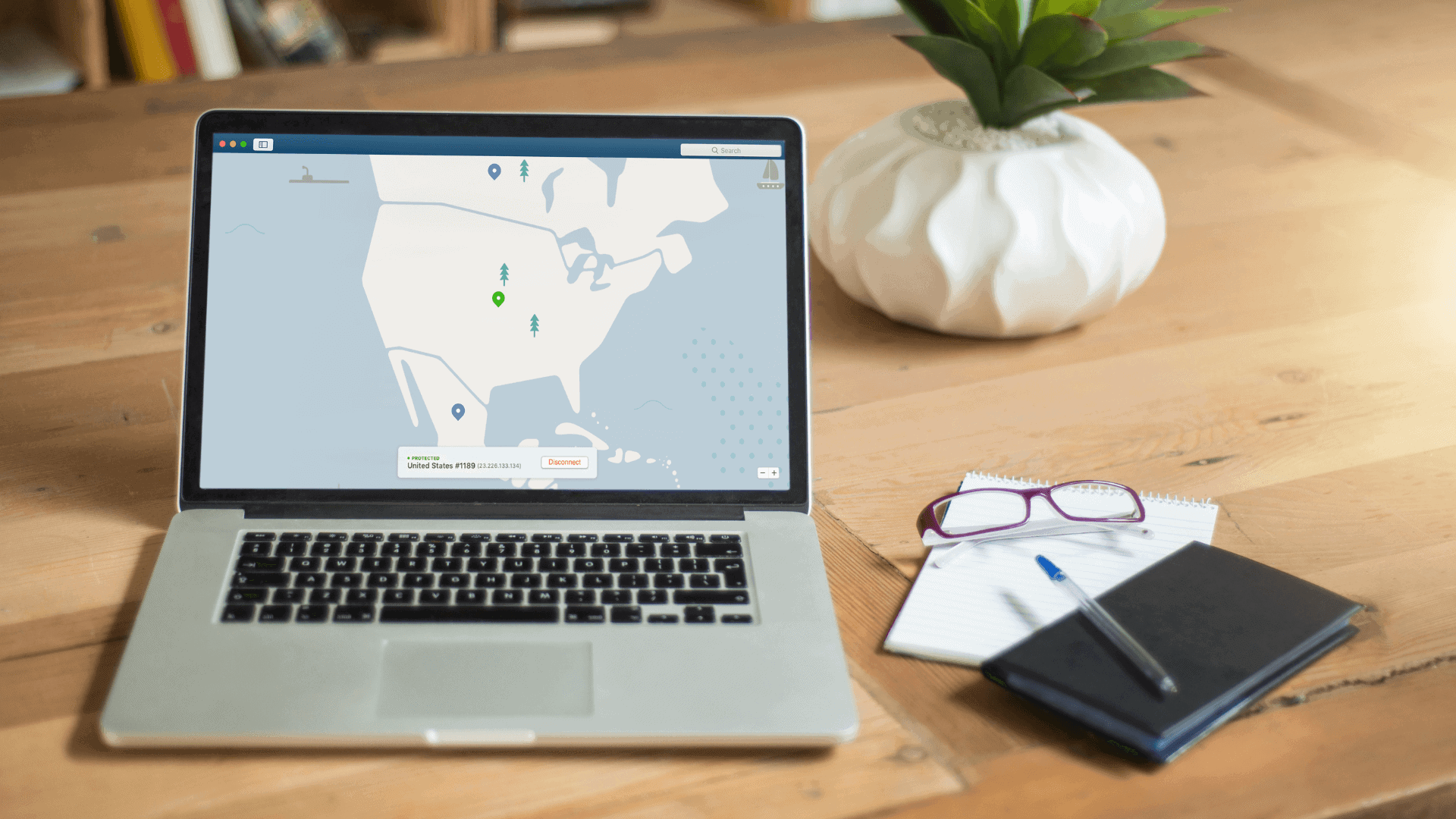
Most people associate a Virtual Private Network (VPN) with some sort of cloak of invisibility. Once you hit that connect button, nobody can see what you’re up to, not even your Internet Service Provider (ISP).
But if your VPN can see your traffic, does that mean your VPN provider can actually see what you do online? It’s a bit of a grey area, considering a lot of providers make promises of zero logs and complete privacy.
Put simply, there are things they can see and things they can’t. There are also certain protocols that a reputable provider should follow, which less-reputable ones are not likely to do. Here is what you need to know and how to tell the difference between the two.
The Purpose Of A VPN For Online Privacy
VPNs have three main tasks that all play a role in securing your online browsing. The first thing that they do is encrypt your Internet traffic so that outsiders can’t see which websites you visit.
Then, they hide your real IP address by using their server’s address instead and your true location becomes unknown.
Lastly, your traffic is confined to a secure server, almost like a tunnel, before it reaches its final destination being the website that you want to visit.
Can A VPN See Your Online Activity?
Technically yes, a VPN can see your online activity to a certain extent. But it also depends on who your service provider is. Before you panic, here is a closer look at what specifically they can see, and what they can’t.
Things They Can See
Your VPN service provider will be able to see what your real IP address is because you have to connect to their server from your physical location. They can also see which VPN server you choose to connect to as well as the timestamp of your connection so every time you log in or out.
If they do keep logs, then they will also be able to see the exact websites that you visit.
More from VPNs
Things They Can’t See
VPNs won’t be able to see private information such as your passwords and what you actually do on the websites that you visit or any payment details.
If the website itself is encrypted with HTTPS, which most are nowadays, its content won’t be visible either.
The Issue Of Logging Policies
A lot of VPN service providers will advertise themselves as no-log services. But of course, this can mean wildly different things depending on who the company is.
Reputable providers will not keep track of your search history and websites you visited nor the files you download or your IP address. They wouldn’t even store your timestamps or the amount of bandwidth you used per session.
On the other hand, some companies will keep a record of your IP address, browsing activity, usage patterns and all those things that leave a trail. Typically, these companies are the ones who offer free VPN services.
Why?
Often, they sell this data to third-party companies for advertising purposes in order for them to still make a profit without charging for their VPN services. Remember, if you’re not paying for a product, you become the product.
Choosing A VPN That Won’t Track You
The honest truth is that some VPNs, especially the free and low-budget ones, often do collect your data. Others might store some information like your usage and connection times but these don’t really identify you as a user. The VPNs who are privacy-first will collect nothing that is actually identifiable.
So the question you should really be asking is does your VPN track your activity?
If you’re unsure or you are still in the processing of choosing a service provider, here’s what you need to know.
Choose a paid VPN: 90% of free VPNs will track you so choosing a paid plan with a legitimate provider will save you most of the stress.
Look for independent no-log audits: If there aren’t any audits available, it’s a sign that they are logging some kind of information.
Read the privacy policy: This will give you a clear indication of what the company does with your data. If there is any mention of sharing it with trusted partners or storing logs for security purposes, that’s a red flag which means they will likely track you.
It all comes down to choosing the right provider to give you peace of mind when securely browsing the Internet. No, VPNs are not magical invisibility cloaks, but they can protect you if they are trustworthy.