


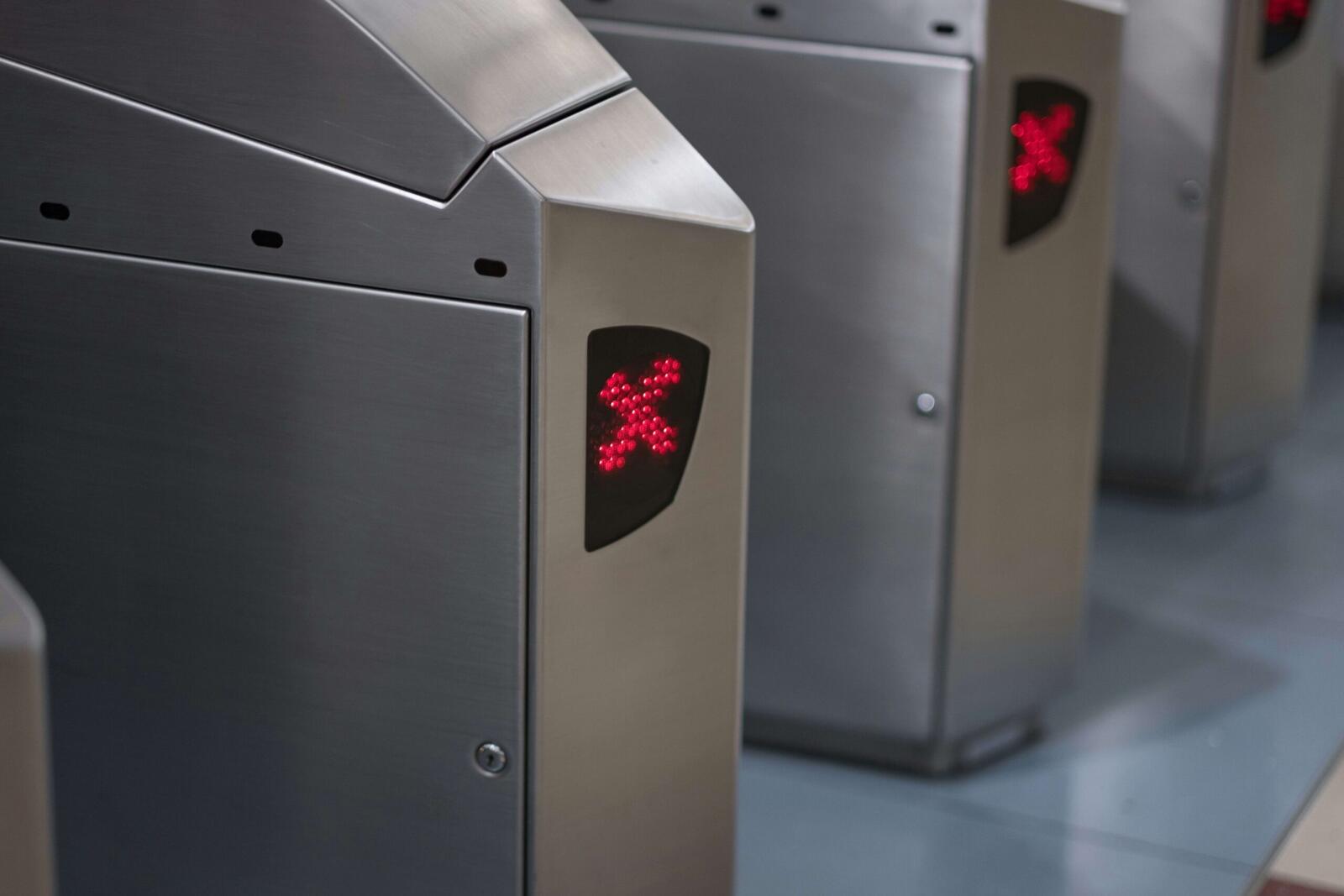
In the industrial sector, security and efficiency are paramount. One crucial tool that helps organisations achieve both is an effective access control system. These systems are designed to regulate and monitor who can enter or exit specific areas, ensuring only authorised personnel have access.
Enhanced Security
One of the most significant benefits of access control systems is the heightened security they provide. Industrial facilities often house sensitive data, expensive equipment, and hazardous materials. By restricting access to authorised individuals only, businesses can mitigate the risk of theft, vandalism, and unauthorised activities. Advanced systems with biometric authentication, key cards, or PIN codes make it nearly impossible for unauthorised personnel to gain entry, offering peace of mind to stakeholders.
Improved Safety Measures
In industries dealing with hazardous materials or machinery, safety is a critical concern. Access control systems can prevent untrained or unauthorised employees from entering dangerous areas. By ensuring that only certified and trained personnel can access such zones, companies can significantly reduce the likelihood of accidents and injuries, fostering a safer work environment.
Streamlined Employee Management
A good access control system can also enhance employee management. By integrating time and attendance tracking features, these systems provide an accurate record of when employees enter and leave the premises. This can simplify payroll processes, improve punctuality, and help identify trends in absenteeism.
More from Guides
- What Is Microbial Technology, And Why Does It Keep Showing Up In Biotech News?
- What Is The Digital Euro?
- What Is Broadband?
- Why Energy Security Now Matters To Business Connectivity
- Deleted Doesn’t Mean Gone – How Permanent Is Your Digital Footprint?
- What Is A Seasonal Work Visa?
- How Big Data Is Changing Women’s Health
- How Much Does Your Phone Really Know About You?
Customisable Access Levels
Modern access control systems allow businesses to assign different access levels to individuals or groups based on their roles and responsibilities. For example, management may have unrestricted access, while certain staff may only enter specific areas necessary for their duties.
Data Collection and Monitoring
Access control systems generate detailed logs of entry and exit events, which can be invaluable in industrial settings. In the event of a security breach or accident, these records help identify the personnel involved and the sequence of events. Regular monitoring of access logs can also highlight unusual activity, enabling businesses to take proactive steps to address potential risks.
Cost-Effectiveness
While there may be an initial investment in installing an access control system, the long-term benefits far outweigh the costs. By reducing theft, accidents, and unauthorised access, businesses can avoid expensive disruptions.
Compliance with Regulations
Strict regulations apply to most industries regarding safety and security. A robust access control system can help companies meet these requirements by providing detailed records and ensuring only qualified personnel access restricted areas. This not only protects the business but also avoids costly fines and legal complications.
Increased Operational Efficiency
By automating entry processes, access control systems eliminate the need for manual security checks, saving time and resources. Employees can move seamlessly between areas, reducing bottlenecks and improving productivity.
A good access control system is an essential investment for industrial businesses aiming to improve security, safety, and operational efficiency. With its ability to regulate access, track activities, and streamline processes, such a system not only safeguards assets and personnel but also supports compliance with industry standards.


