


Every year, hundreds of tech companies head to CES in Las Vegas to announce their latest innovations, and 2026 is no different.
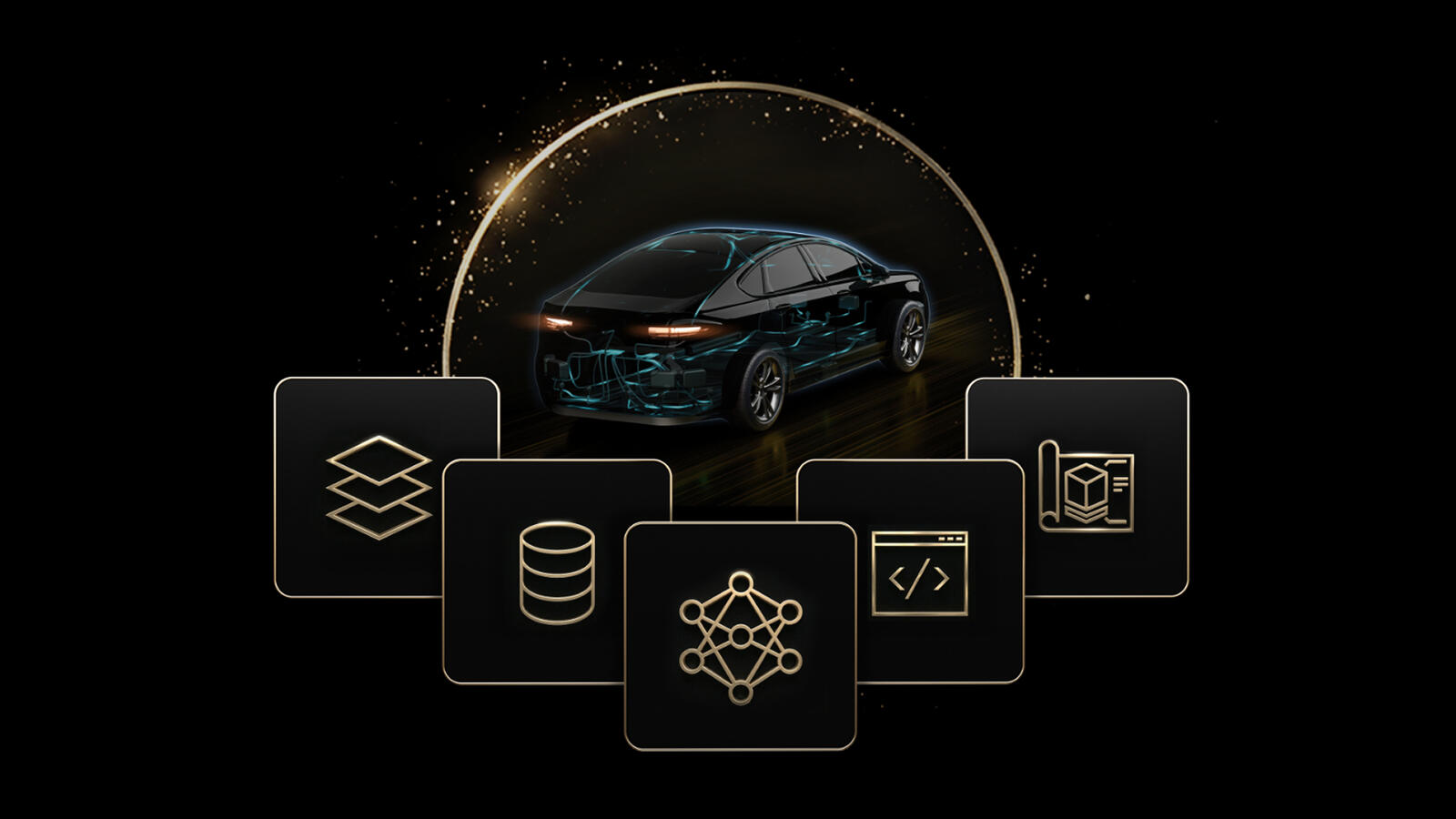
Just a couple of days ago, Nvidia founder and CEO Jensen Huang announced Alpamayo, a new AI platform designed to help self-driving cars reason more like humans.
The announcement signalled a shift from Nvidia’s role as the world’s AI chip maker to a company that also creates AI-led robotic systems. In fact, in a press release on Nvidia’s website, Huang commented that “The ChatGPT moment for physical AI is here – when machines begin to understand, reason and act in the real world.”
Teaching Cars To Think, Not Just Drive
Self-driving cars aren’t a new idea, but their abilities have improved massively over the past few years. The problem is, they still have a long way to go. Self-driving cars are great at getting people from A to B, but can sometimes falter when it comes to unusual driver behaviour, emergency vehicles coming up fast or roads that are closed quickly.
Nvidia says that Alpamayo is designed for exactly this reason. It doesn’t just look at what’s around it, it uses actual decision-making principles to think about how to drive.
According to Huang, this allows autonomous vehicles to handle unexpected scenarios more safely and act more like human drivers.
Nvidia also confirmed that it is partnering with Mercedes-Benz to bring the tech to market, expected to land in the US in the coming months and Europe and Asia later this year.
More from Tech
- AI Can Now Build A Free Adobe Rival – So Why Can’t It Open Files?
- How Modern Rendering Solutions Fit Into Creative Pipelines
- Women In Tech Week: AI Has Become A Career Skill – So Why Are Fewer Women Using It?
- Same Car, Different Driver: The Tech Behind F1’s Custom Set-Ups
- From Web3 Hype To Commercial Advantage: How The Next Phase Of Emerging Technology Will Be Won
- Who Controls The Thermal Skies? The Security And Privacy Questions Behind SatVu’s New Satellite
- The Drone Technology Helping Farmers Cover More Ground In Less Time
- F1’s Pitlane Has Its Own Race, And Technology Is Driving It
The Decision To Make The AI Open-Source
One of the most interesting parts of the announcement is that Nvidia has decided to make Alpamayo open-source. This means that the code is available for developers to use, train and mould the system for their own autonomous vehicle projects.
The models that have been released aren’t just the main reasoning model, but also a suite of tools designed to help developers test the system with their own fleets before they deploy it in their own AVs.
And the system has already been turning heads in the car industry, with companies like Jaguar Land Rover, Uber and Lucid already expressing interest in using the technology.
A New Player In The AV Market
The autonomous vehicles market, whilst once dominated by names like Tesla, is quickly growing in competition. In fact, Tesla, which offers its own AV driving software Autopilot, has also promised that its software will be the future of driverless cars.
And just like Tesla, Nvidia plans to launch a robotaxi service next year, although details about who they will partner with for that are still unannounced.
Nvidia’s Growth
Nvidia’s growth over the past few years has been incredible to watch. Once known for powering video games, it has now become the powerhouse behind the AI boom, with its chips being used to train and power large scale LLMs.
The growing demand for AI has made Nvidia the world’s most valuable public company, with every earnings announcement being watched by thousands around the world.
And whilst other players have come into the market to take Nvidia’s crown, few have been able to scale as quickly.
Helping Place AI Everywhere
Nvidia is on a mission to not only help AI run, but also play a core role in how it is being developed. As the world’s most valuable publicly traded company, with a market capitalisation hovering above $4.5 trillion, its new project shows the company’s desire to shift away from servers and into the real world
“Our vision is that someday every car, every truck, will be autonomous,” Huang said at CES.
If Alpamayo is as good as they say, then that vision may be a whole lot closer than we think.


