


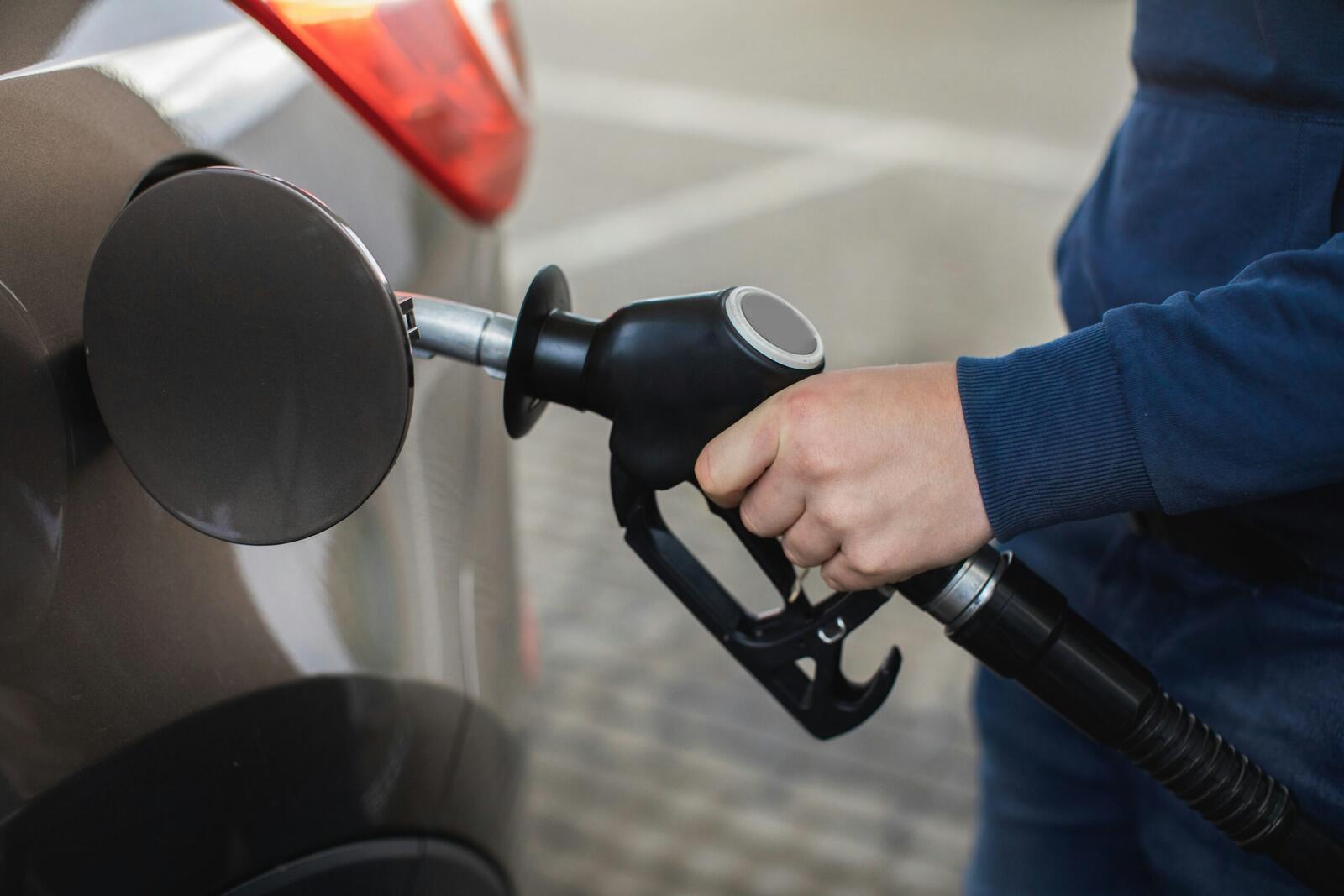
Petrol in the United States has moved past $4 a gallon again, reaching its highest level in over three years. Reuters reported that the national average went above this level on Monday, using data from GasBuddy. That puts prices back near levels last seen in August 2022 after Russia’s invasion of Ukraine.
The increase has been fast. Since the end of February, when the United States and Israel began attacks on Iran, the average price has gone up by about $1.06 a gallon. GasBuddy data shows this is the fastest monthly rise recorded since 2000.
Data from the American Automobile Association puts the current average at $4.02 a gallon. Before the conflict began, petrol was around $2.98. Diesel has gone up even more, rising by about $1.70, which feeds into higher transport and food costs.
The Strait of Hormuz is being mentioned a lot here. But why?
Well, shipping through the route has slowed heavily or stopped, in turn limiting oil supply. That has pushed crude prices higher, with Brent crude near $120 a barrel and U.S. oil futures above $100, according to Reuters.
The timing is difficult for many households. Costs were already high before petrol started to go up, leaving less room in budgets.
How Is The Conflict Affecting Global Prices?
The conflict has entered its fifth week and is impacting energy markets around the world. Restricted traffic through the Strait of Hormuz has cut off a large share of global oil supply.
This has fed through to everyday costs. In Britain, petrol prices have gone up by 14% and diesel by 27% since the conflict began. In other regions, governments have introduced fuel rationing as supply struggles to keep up.
Demand has also picked up in the States due to spring travel. The AAA said seasonal journeys have added extra strain to supply, pushing prices higher.
More from News
- Can Europe Solve Its Critical Minerals Problem Fast Enough To Support Its Tech Ambitions?
- Google Has Agreed To A £260 Million Settlement: Who’s Eligible For Compensation?
- China Wants To Build A Third Global AI Bloc – What Does That Mean For Everyone?
- Advanced AI Society Joins the Linux Foundation And Launches Open Verification Ecosystem
- What Could Snap’s Partnerships With Big Tech Mean For The AR Industry?
- Why Did A Four-Year Bomb Threat Campaign Involving 500,000 Gmail Accounts Go Unchecked?
- What Do Dario Amodei And The JCHR’s AI Warnings Mean For Startups and SMEs?
- Exabeam Research: Security Leaders Identify AI Agent Access As A Top Insider Risk Priority
Economists are keeping an eye on how long the conflict lasts. Moody’s Ratings Agency wrote, “If the conflict is contained soon, the hit to confidence may be temporary.” It added, “But a prolonged crisis could prompt more precautionary saving and further discretionary spending cuts.”
Matthew Martin from Oxford Economics summed it up in simple terms. “The duration of the war is the key variable: the longer it persists, the more likely something breaks,” he said.
What Has Trump Said About Ending The War?
President Donald Trump has suggested the United States may leave the conflict soon. Speaking about timing, he said the war would be done “within two weeks, maybe three,” after referring to U.S. strikes on Iranian missile sites.
He has also rejected talk of deeper aims. “I had one goal—they will have no nuclear weapon and that goal has been attained,” Trump said.
On the issue of the Strait of Hormuz, Trump indicated that the United States may not take charge of reopening it. “That’s not for us, that’ll be for France,” he said, according to Forbes, after European allies did not back his earlier position.
These comments have led to talk that Washington may exit before shipping routes are fully restored. Markets reacted earlier this week, with stock indexes rising after Trump said the war would not last much longer.
Would Leaving Now Bring Prices Down?
The answer depends on what happens to oil supply after any withdrawal. Petrol prices are tied to global crude markets, and those markets are reacting to supply limits linked to the conflict.
If the Strait of Hormuz stays restricted, supply would stay low even if the United States steps back. That would keep oil prices high and delay any drop at the pump.
Societe Generale analysts said oil prices now face “a higher-for-longer baseline,” according to Reuters. That suggests relief may take time even if political decisions change.
There is also the domestic aspect of things, where Trump campaigned on lowering energy prices and increasing production. The current rise has added strain for households and created a political challenge as midterm elections get closer.
What happens in the near future depends on how quickly oil flows return and how long tensions last. Leaving the conflict may help from a political point of view in the United States, but petrol prices are determined by global supply, which has not fully recovered.


