


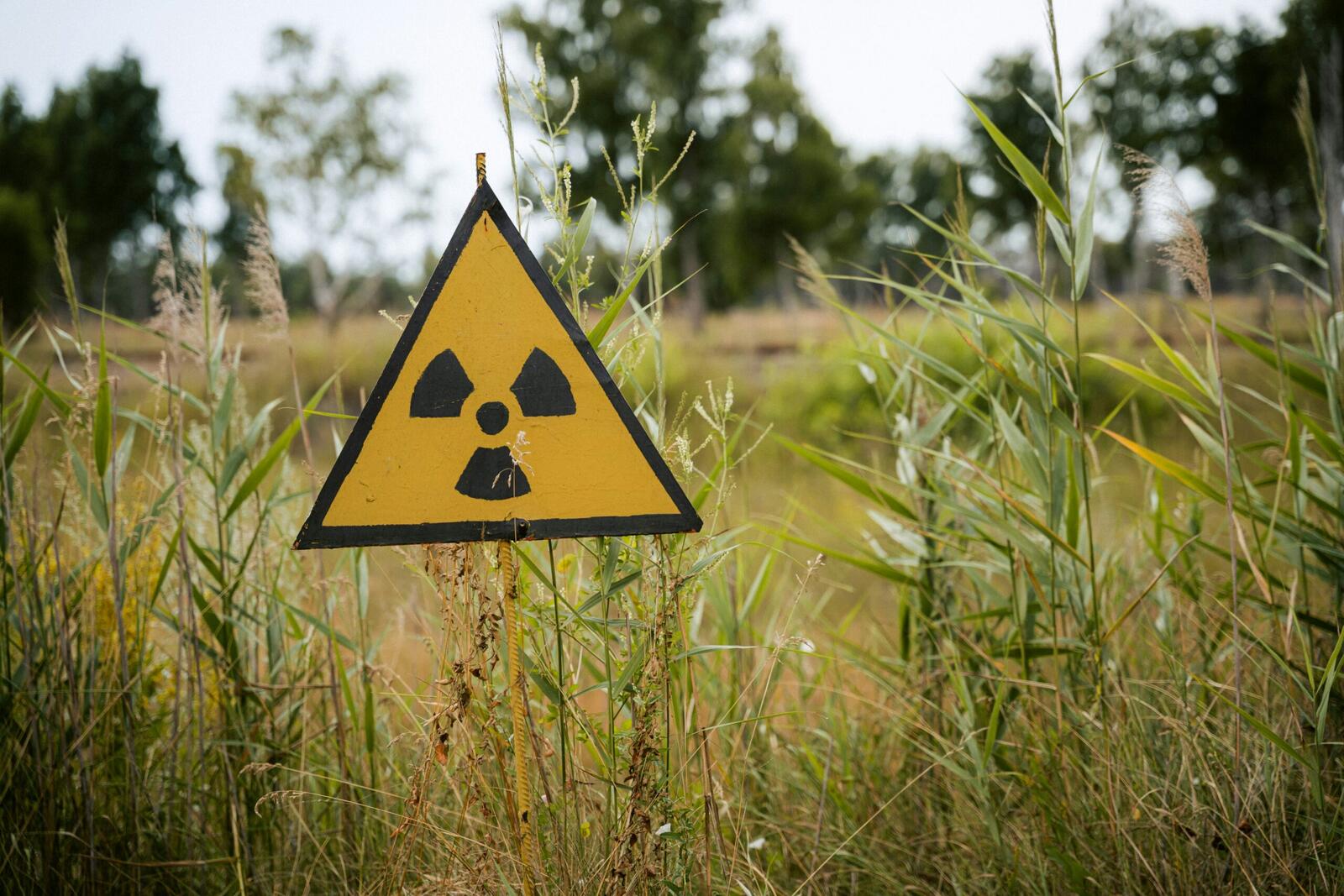
Nuclear reactors produce electricity with very few greenhouse gases. Many see them as a way to avoid heavy pollution. They supply about 1/5 of the United States’ power, which shows they can handle large demands. These sites also produce radioactive leftovers, which leads to debates on safety and storage.
A group in Ohio hopes to reuse this waste by collecting gamma radiation from leftover material. Instead of letting that radiation vanish, they want to turn it into a tiny flow of electrical power. This plan may make nuclear power more appealing, since it repurposes material once seen as a hazard.
What Is Different About Gamma-Based Power?
Gamma rays have high-energy photons that most power systems ignore. A special crystal, called a scintillator, glows when it absorbs these rays. A solar cell next to this glow then produces electricity from the light, merging well-known elements: a radiation sensor and a standard photovoltaic panel.
These devices can sit in locations where nuclear leftovers exist. The source stays active for years, so the system might keep running. It’s perfect for equipment that needs continuous power but doesn’t get routine servicing. That includes settings such as reactor sites, deep storage pools, or even remote spots.
Engineers see promise in adjusting crystal size and solar cell design. Larger crystals can absorb more gamma rays and emit more light, potentially pushing up the power level. But there are hurdles related to cost and radiation damage to materials. Even so, early results point to a real chance of success.
More from News
- Anthropic Selects Build Circle As A UK Partner To Help Supercharge AI Realisation For Clients
- An OpenAI Engineer Is Charged Over A $14 Recording Device – What Does It Say About Security At AI Labs?
- Mhance Acquires CPS And City Dynamics To Strengthen Its Copilot, Modern Work And Business Solutions Capabilities
- What Can Startups Learn From HSBC’s AI-Driven Job Cuts?
- Moterra AI Achieves Select Partner Tier In Anthropic’s Claude Partner Network
- GoDaddy Launches Web App Hosting With API For AI Coding Tools
- 7 In 10 Consumers Have Never Investigated What’s Inside Their Smartphone
- Tango Turns Live Communities Into a Force For Breast Cancer Research
Have There Been Any Real Tests?
Researchers at a lab in Ohio tested a setup with cesium-137 and cobalt-60, both found in reactor waste. They placed a scintillator crystal atop a thin-film cadmium telluride cell. Gamma rays made the crystal glow, and the solar cell produced up to 1.5 microwatts of power.
That might sound tiny, but it could power sensors or micro chips in harsh spots. The team believes scaling up crystal volume, or using more efficient cells, could reach watt levels. A device like this could sit inside a nuclear waste site and provide low-maintenance power for monitoring systems.
Tests also showed that different radioactive sources hold different outputs. Cesium-137 gave around 288 nanowatts, while cobalt-60 reached 1.5 microwatts. The gap reflects the higher energy gamma rays from cobalt-60. Engineers keep refining designs to make the most of each gamma source.
Could It Power Small Devices Soon?
High-density crystals can be expensive, and photovoltaic materials must handle intense radiation. Any commercial product must balance those factors against the benefit of a long-lasting, steady power supply that doesn’t need frequent checks.
Though the power level is tiny compared to normal batteries, the setup could run for years without refills. That suits remote instruments where changing batteries is tough. For instance, gear in deep ocean environments or advanced reactors might rely on these nuclear batteries for safe, steady energy.
Raymond Cao, a professor of mechanical and aerospace engineering at Ohio State and lead author of this study said, “The nuclear battery concept is very promising. There’s still lots of room for improvement, but I believe in the future, this approach will carve an important space for itself in both the energy production and sensors industry.”


