


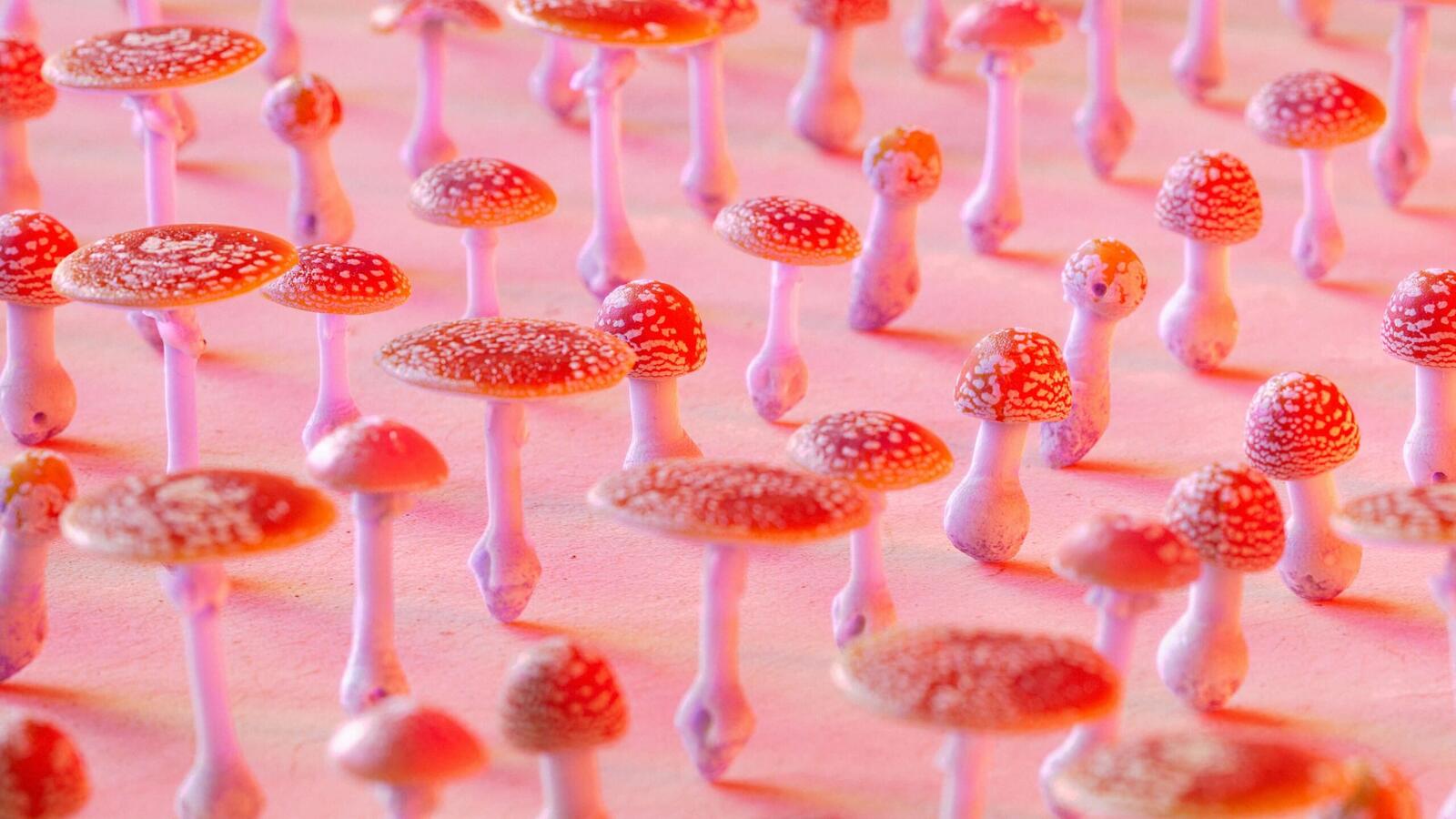
For most of the 20th century, psychedelics were synonymous with counterculture and controversy.
While promising research with these substances began in the 1950s and 60s, such research efforts came to an effective halt with the Federal Drug Administration classification of psilocybin and MDMA (along with many other drugs) as Schedule 1 substance. This haltered the research in the field, until recently.
Why the Renewed Interest from Researchers?
Researchers from the best academic institutions are now beginning to perform rigorous clinical research, publishing peer-reviewed articles and presenting their research to regulatory bodies on the substances. In some cases, the data produced from the clinical trials is remarkable and as a result, there is growing interest from a hand full of scientists and policy makers to utilise psychedelic therapy in the treatment of some of mental health’s toughest challenges.
Are Existing Treatments Working?
It is easy to see why there is steam behind the urgency for the larger problem to be addressed. According the the World Health Organisation, depression affects around 332 million people worldwide.
Additionally, post-traumatic stress disorder (PTSD) is one of the most treatment-resistant diseases in psychiatry as most patients do not respond to the available medications and therapies. Lastly, addictions to alcohol, opioids or tobacco are devastating communities and many existing treatment options are proving to be ineffective.
More from Guides
- What Are Computer Chips And How Do They Work In Our Devices?
- What Synthetic Biology Actually Means for Everyday Life
- Working Abroad Requires The Right Visa – Which One Do You Need?
- What Is A Computer Cluster Or Cluster Computing?
- Going Global? Here’s What VoIP Can (And Can’t) Do For You
- How Do Social Media Algorithms Work?
- What Is Microbial Technology, And Why Does It Keep Showing Up In Biotech News?
- What Is The Digital Euro?
What the Clinical Evidence Actually Shows
With the upcoming Psilocybin potential for treating depression and it’s comparison to standard anti-depressants, there is significant associations to keep the trialling moving ahead:
Psilocybin and Depression
Psilocybin (the active ingredient in mushrooms) has the most extensive clinical evidence of all the psychedelics. Currently, ClinicalTrials.gov has over 100 active clinical trials listed on psilocybin across 54 different clinical conditions, with depression as the primary focus.
What the Phase 2 Trial Data Shows
The landmark Phase 2 trial results are striking. In one major study, patients receiving a single 25mg dose of psilocybin demonstrated a significant reduction in depression severity, with 54% meeting criteria for remission just three weeks after treatment, substantially higher than the placebo group.
What makes this particularly noteworthy is the durability: a single moderate dose producing rapid and sustained antidepressant effects challenges the assumption that chronic pharmacological intervention is the only viable route to remission.
Results vs. Standard Antidepressants
In other words, at 6 months, 50% of participants in depression studies who received psilocybin therapy achieved and sustained remission, while other studies showed a 58% remission rate at 12 months. Standard antidepressant medications typically fall within a 30 to 40% remission range and even lower for treatment-resistant patients.
FDA Recognition and What Comes Next
The FDA recognised this potential early. In 2018, it granted psilocybin its first Breakthrough Therapy Designation for treatment-resistant depression, a fast-track status reserved for drugs showing early evidence of substantial improvement over available treatments. This designation was later extended to major depressive disorder more broadly and Phase 3 registration trials are currently underway.
MDMA and PTSD
MDMA (ecstasy) is one of the most-piloted drugs for use in treating PTSD. Lykos Therapeutics recently released results from recent clinical trials demonstrating that 67%–71% of participants who received psychotherapy and MDMA no longer had a PTSD diagnosis, which was a considerable difference when compared to the placebo-plus-therapy group.
Research Barriers Slowing Progress in the UK
The United Kingdom presents a more cautious picture. Psychedelic substances remain Schedule 1 under the Misuse of Drugs Regulations 2001 — the most restricted category, meaning clinical trials require a Home Office licence that researchers describe as expensive, time-consuming and logistically burdensome. In July, 2025, the ACMD proposed that universities and hospitals conducting research with Schedule 1 Controlled Drugs should not be required to obtain a Home Office domestic licence and should instead follow the regulatory requirements that apply to Schedule 2 Controlled Drugs.
Clinical trials have been conducted at UK universities and hospitals and a European Citizens’ Initiative launched in January 2025, backed by 24 organisations from 17 European countries, began collecting signatures to formally call on the European Commission to expand access to psychedelic-assisted therapies across the EU.
The European Medicines Agency
The incorporation of guidelines for psychedelic studies shows regulators are treating this area of pharmaceutical development with more seriousness rather than viewing it as a fringe concern. In 2025, the US National Network of Depression Centres released a consensus statement recognising the therapeutic potential of psilocybin, but noted that the enthusiasm, both commercial and media, does not seem to match the necessary scientific and clinical support to address these issues safely.
Safety Questions That Still Need Answers
While there are rare but documented occurrences of serious adverse events that occur even within supervised clinical settings, they remain. There is psilocybin research literature that documents increased suicidality within a certain patient subset. There are also risks of serotonin syndrome associated with MDMA.
While the highest risk may be in unsupervised, non-medical situations, there is an overwhelming need for safety and harm minimisation as psychedelics are slated for mainstream clinical use in various countries. There is a need for robust guidelines, trained professionals and screenable patients.
Is the Future Non-hallucinogenic Alternatives?
There are exciting developments on the non-hallucinogenic alternatives to psychedelics. Many companies are working on non-hallucinogenic versions of psychedelics.
These alternatives could potentially enhance neuroplasticity and possess some therapeutic qualities, but without the hallucinogenic effects that necessitate complicated and expensive clinical settings.
If successful, these alternatives would tremendously increase the accessibility of psychedelic therapies, especially in healthcare systems where the guided sessions are expensive and complicated.


