


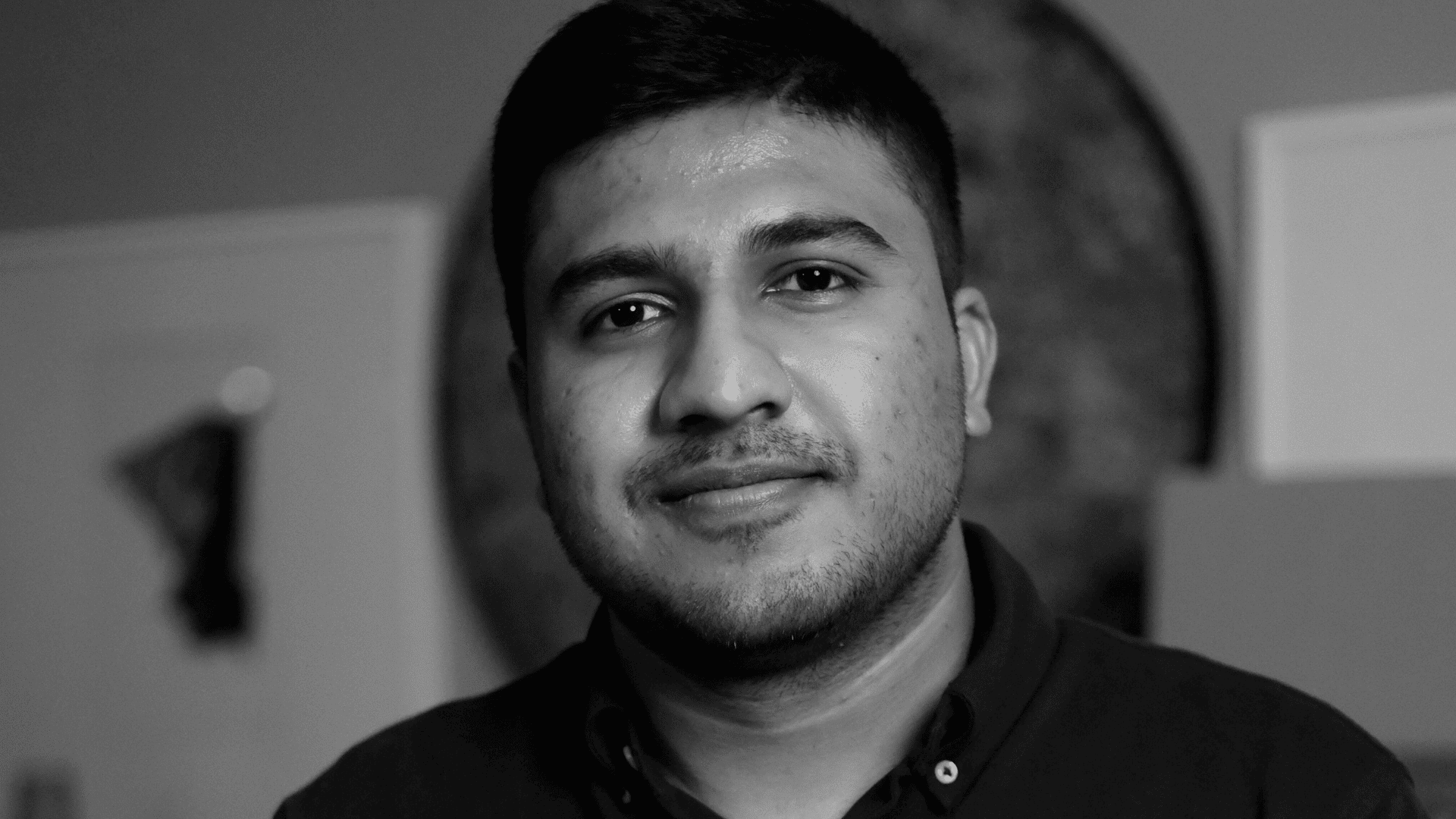
Tell Us About Yourself And Flagright
I’m Madhu Nadig, Co-founder and CTO of Flagright. My background is in engineering and building data-intensive systems, and what drew me into fintech was the fact that financial infrastructure has become one of the highest-stakes software problems in the world. You are dealing with real-time decisions, regulatory accountability, fraud, trust, and customer experience all at once.
At Flagright, we build AI-native financial crime infrastructure for banks, payment companies, and fintechs. Our focus is helping regulated institutions monitor transactions, screen customers and payments, investigate alerts, and govern those decisions in a way that is fast, explainable, and audit-ready. Financial crime is all we do, and that focus has shaped how we build.
What Interests You Most About The FinTech Industry In 2026?
What interests me most is that fintech is becoming more operationally serious. For a while, a lot of the conversation was about front-end experience, growth, and distribution. Those things still matter, but the market is now rewarding companies that can combine innovation with resilience, governance, and infrastructure discipline.
In 2026, the most interesting shift is that AI is no longer just a layer on top of fintech. It is becoming part of how firms make decisions across onboarding, payments, fraud, compliance, servicing, and risk. That changes the conversation completely. The question is no longer whether firms will use AI. It is whether they can use it in a way that is controlled, testable, and trusted. I also think we are seeing a broader convergence across fraud, AML, sanctions, and identity. The most important companies in the next phase of fintech will be the ones that reduce operational fragmentation, not add to it.
More from Interviews
- A Chat With Piero Pavone, CEO Of Preciso On How Native Advertising Is Shaping A More Sustainable Future
- Efficient Referrals: Meet Kirsty Sharman, Founder Of Referral Factory
- A Chat With João Moura, CEO And Co-Founder, On Transaction Risk Platform: Fraudio
- A Chat With Michael J Bannach, Founder & President, Stealth Technology Group On How Employees Leak Company Secrets Into Chatbots – And What Safe, Approved AI Should Look Like
- A Conversation With Allister Frost, Future-Ready Mindset Author and Speaker, On How AI Panic Is Pushing Brits Into Rushed Career Swaps That Could Prove Costly
- Interview With Yuliya Barabash, Founder Of SBSB Fintech Lawyers On Where Crypto Companies Actually Win in 2026
- A Chat With Avion Gray (CEO) And Samantha Rosenberg (COO), Co-Founders Of Belong On Wealth Building
- Interview With Bert van der Zwan, CEO at Bizzdesign On Enterprise Transformation
What Do You Hope To See From FinTech50 Entrants In 2026?
I hope to see entrants tackling difficult, structural problems rather than polishing familiar surfaces. The market does not need another thin layer of abstraction unless it creates real operational leverage. What is more exciting is when a company can look at a painful part of financial services — compliance operations, cross-border settlement, treasury workflows, identity, risk, or infrastructure orchestration — and make it materially better.
I also hope to see more discipline in how entrants talk about AI. The strongest founders are not using AI as a slogan. They are using it to solve something concrete: reduce investigation time, improve decision quality, tighten controls, or remove manual work without losing accountability. That level of specificity matters.
What Advice Would You Give To Companies Entering FinTech50 This Year?
Be very clear about the problem you solve, for whom, and why now. A lot of founders describe their company in market language when they should be describing it in operating language. What breaks today? What is too slow, too expensive, too fragmented, too risky, or too manual? And what changes because your company exists?
I would also advise founders not to confuse ambition with breadth. The strongest companies usually have a very sharp wedge. They may have a large vision, but they are winning because they have solved one painful workflow better than anyone else. If you are entering FinTech50, make it easy for people to understand why your product matters and why your customers would
struggle without it.
What Do You Think Entrants Can Do To Stand Out From The Competition?
They stand out by sounding like operators, not applicants. The best entrants do not rely on generic language about disruption or innovation. They show they understand the actual mechanics of the market they serve. They can explain the customer pain precisely, talk credibly about implementation and adoption, and show that their product works in the real world.
In fintech specifically, trust is a differentiator. That means standing out is not just about product design or growth. It is also about proving that you understand governance, regulation, reliability, security, and the realities of enterprise decision-making. The companies that stand out are usually the ones that combine sharp product execution with maturity in how they think about risk.
What Is Your Number One Piece Of Advice To Aspiring Entrepreneurs?
Stay close to the problem for longer than feels comfortable. A lot of founders fall in love with the category, the market story, or the technology too early. The better approach is to stay grounded in the actual pain: what the customer is doing today, what that costs them, where it breaks, and what they are already trying to patch together.
If you understand the problem deeply enough, strategy becomes clearer. You know what not to build, what customers will pay for, and where your wedge is. In my experience, clarity comes less from brainstorming and more from repeated contact with reality.
Any Final Thoughts?
Fintech is entering a more demanding phase, and that is a good thing. The next generation of winners will not just be fast-moving companies. They will be companies that can earn trust at scale. That means stronger infrastructure, better governance, tighter execution, and clearer proof of value.
For founders, that should be encouraging rather than intimidating. The bar is higher, but it is also more rational. The companies that solve real problems, with real operational depth, will have more room to build enduring businesses than those relying on surface-level excitement. That is the kind of fintech ecosystem I am most optimistic about.