


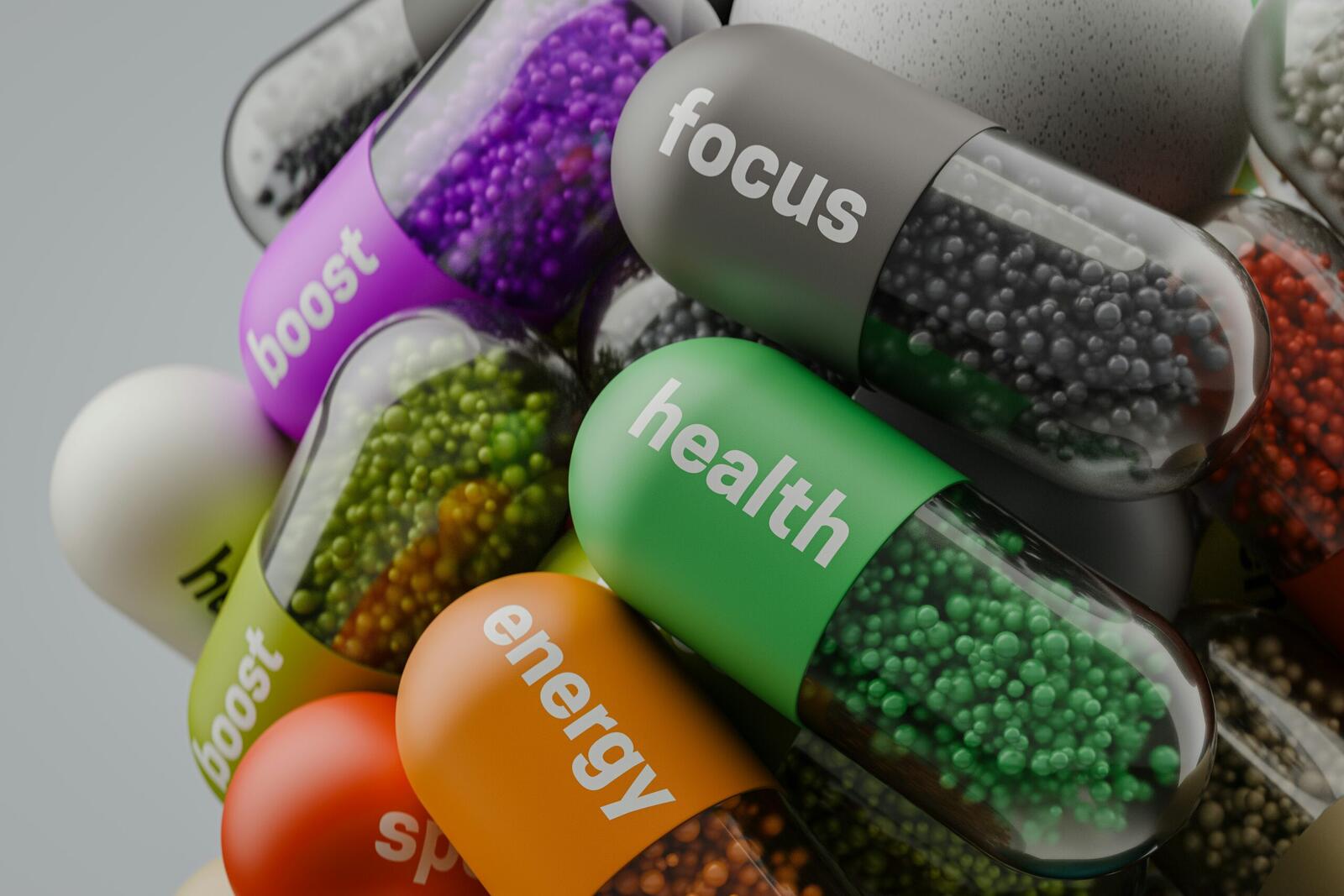
Nootropics were once in a small corner of the wellness market, usually bought by gym fans or biohacking communities – maybe even students sometimes. But today, in April of 2026, that is no longer the case, because more UK consumers are buying products sold as brain support supplements, and the category is becoming a much bigger commercial business.
Grand View Research reported that the UK nootropics market generated $187.2 million in 2025. The research expects that number to reach $478.1 million by 2033, with annual growth of 12.7% from 2026 onwards.
The products people buy are also changing as Grand View Research found that capsules and tablets brought in the highest revenue in 2025. Drinks are expected to see the fastest growth over the next few years, because consumers want products that fit into daily routines…
This trend appeared in The Nootropics Report 2.0, published a couple of years ago, which found rising interest in formats such as powders, gummies and ready to drink beverages designed for convenience and taste
What Do UK Buyers Want From Nootropics?
A lot of people hear the word nootropics and immediately think of prescription stimulants or Silicon Valley workers chasing endless productivity – that image feels outdated.
Brainzyme’s guide says most UK buyers are shopping for legal products they can use every day without dealing with prescription rules or medical oversight. The guide says, “Most UK buyers are looking for safe, legal, daily brain support.” That is true.
It also helps explain why natural supplements are doing well. Products containing ingredients such as L theanine, caffeine, choline, ginkgo biloba, B vitamins, rhodiola and the famous ashwagandha, are available over the counter in the UK.
Brainzyme explains the category, saying, “Nootropics are substances associated with supporting cognitive function, mental clarity and focus.”
Prescription products are in a separate category. Brainzyme says modafinil is a Schedule IV controlled substance in the UK and cannot legally be supplied without a prescription. Piracetam is also prescription only.
Which Ingredients Are Being Spoken About?
Consumer interest is not only about concentration because many buyers are shopping for products connected to things like sleep and overall mental wellbeing.
In The Nootropics Report 2.0, dsm-firmenich said its 2023 Global Health Concerns Study found that 68% of consumers listed energy levels and tiredness as a top concern. 63% mentioned mental and emotional health, while 60% named mental performance
Elena Gromoboeva, Global Dietary Supplements Lead for Brain Health at dsm-firmenich, said, “The brain health market is constantly growing and evolving, with more consumers looking for innovative ways to support total mind and body wellness.”
This report also found caffeine continues to be the best known nootropic ingredient globally. And again, interest is also building around magnesium, B vitamins, ashwagandha, ginkgo, lion’s mane mushrooms and CBD in conversations around sleep and mood.
How Can Shoppers Choose Better Products?
The UK market is becoming more crowded, which makes label reading much more useful than having good looking branding.
Brainzyme says shoppers should look for products that honestly and clearly list every ingredient and dosage. They look for products that avoid unrealistic claims and use research backed ingredient levels.
Its guide says, “The single most useful quality signal is full per ingredient dose disclosure on the label.”
A product calling itself a nootropic does not automatically say much about quality. Ingredient transparency and legal status usually count a lot more.
Which Startups Are Developing These Products?
These are 10 startups in the industry that are innovating:
Unconform
Unconform positions itself as a performance drinks brand built around nootropic cold brews and smart sticks. The company says its products are made for people who want mental focus and daily energy without the usual coffee crash. Its messaging a strong rejection of what it calls filler products and gimmicky wellness trends.
Unconform combines support healthy hair, skin and immune health together with focus. Rather than selling itself as a lifestyle label, the brand presents itself as a functional drinks company built around ingredients meant to support both physical and mental output through convenient ready to drink options.
More from Startups
- Top Aerospace Startups In Ireland
- Startup of the Week: Origin
- Massachusetts Institute of Technology (MIT): Successful Alumni Who Founded Startups
- The Startup Myth Nobody Admits: Founders Don’t Move Fast, They Politely Postpone
- 5 Startups Crowdfunding w/c 14.09.2026
- Top IoT Startups In Japan
- Founders Of The Week: Cameron Shaw And Moe Hanafy
- Top Fashion Startups In South Africa
Spacegoods

Spacegoods sells mushroom based nootropic drinks aimed at replacing daily coffee and supplement routines. Founder Matt Kelly says he created the brand after struggling with too much coffee and anxiety, wanting a product that helped people “feel and perform their best every day”. Its main product, Rainbow Dust, mixes functional mushrooms with adaptogens and is marketed for energy, calm and gut health. Spacegoods says it has sold more than 30,000,000 servings and has over 11,000 reviews with a 4.5 out of 5 rating. The brand is made in England and says all products are lab tested and third party checked for quality.
Neutonic

Neutonic takes a more unusual route into the nootropics market through flavoured toothpicks. Its Nootropicks are designed as a portable product for work, study or commuting, giving users caffeine, vitamin B12 and Cognizin® citicoline without powders or capsules. The company says each toothpick contains 13mg of caffeine, 34mg of Cognizin® and 2.1 μg of vitamin B12. The product is sugar free and sold in flavours such as mint, peach and orange. Neutonic markets the product as a discreet alternative to energy drinks, aimed at people who want small doses of alertness and concentration support throughout the day.
Nootro Labs
Nootro Labs works behind the scenes as a UK manufacturer for brands in supplements, CBD, vitamins and nootropics. Rather than selling directly to shoppers, the business helps brands develop and produce capsules, gummies, powders, oils and topical products. The company says it manufactures 5,000 bottles of oil daily, 8,000 pots of capsules, 6,000 bags and 1.3M units a year. Nootro Labs also says finished products made in its facilities are sold through retailers such as Boots, Tesco, Selfridges, Amazon and Holland & Barrett. Its model is built around private label production, formulation support and compliance services.
British VitaTech

British VitaTech focuses on white label nootropic manufacturing for businesses entering the cognitive wellness market. The company develops custom formulas using ingredients such as Lion’s Mane, Rhodiola Rosea, L Theanine and Alpha GPC. British VitaTech says its products are designed to support cognitive function, physical endurance and mental clarity for client brands. The business targets startups and supplement brands looking to launch their own nootropic lines without building in house manufacturing. Its pitch centres on science led formulation and ingredient sourcing. Rather than building a consumer brand, British VitaTech works as a manufacturing partner for other businesses.
Heights

Heights sells brain health supplements but built its name through education first. Founded by entrepreneur Dan Murray-Serter and neuroscientist Dr Joel Freeman, the company leans heavily into content around sleep, nutrition and mental performance. Its best known product is The Smart Supplement, a daily capsule containing omega 3, B vitamins and magnesium, marketed for memory and concentration. Heights also runs a podcast and newsletter that helped it become more than a supplements brand. Instead of chasing biohacking culture, Heights presents itself as a cleaner, science led option for professionals who want brain health habits built into everyday routines.
Thesis

Thesis built its business around the idea that one nootropic formula will not work for everyone. Customers complete an online quiz and receive personalised blends such as Clarity, Logic, Energy or Motivation, depending on what they want help with. Forbes reviewed the brand and reported that its system centres on testing different formulas before settling on a long term stack. Thesis has built a strong online following among remote workers, students and founders who like the trial based model. Its brand identity leans into experimentation, with packaging and language that feels closer to a tech product than a traditional supplement.
Mind Lab Pro
Mind Lab Pro is positioned as an all in one nootropic rather than a custom supplement system. The company calls it a “Universal Nootropic” and markets one formula to a broad audience, from students to office workers and athletes.
According to Mind Lab Pro, its latest version contains 11 ingredients such as Citicoline, Lion’s Mane and Bacopa Monnieri working across what it calls six brain pathways. The brand leans hard into research backed messaging, saying its product has been tested in multiple placebo controlled studies. Its clean branding and subscription model helped it become one of the better known premium nootropics brands online.
HVMN

HVMN started in San Francisco and built early traction in Silicon Valley through products aimed at biohackers, endurance athletes and startup founders. The company first became known for caffeine products such as chewable energy cubes before moving into ketone based nutrition. Its ketone drink became a flagship product marketed as a way to enter ketosis without fasting. GQ reported that HVMN collaborated with biochemists to commercialise ketone ester products originally studied in military and cycling settings. The brand has always sat closer to performance nutrition and human optimisation culture than mainstream vitamins.
Neurohacker Collective
Neurohacker Collective is best known for its Qualia line, a premium range of nootropic supplements sold to consumers interested in high end cognitive optimisation. The company markets products such as Qualia Mind and Qualia Focus, with formulas built around long ingredient stacks and premium pricing.
Instead of keeping messaging minimal, Neurohacker leans into deep ingredient explanations, systems thinking and philosophical branding around human potential. Its audience is largely made up of biohacking enthusiasts willing to pay more for layered supplement formulas. The company has also built an identity through long form educational content and branded communities around health, longevity and mental performance.


