

Reid Hoffman has given more than 75 speeches since 2024 – he just hasn’t been at all of them.
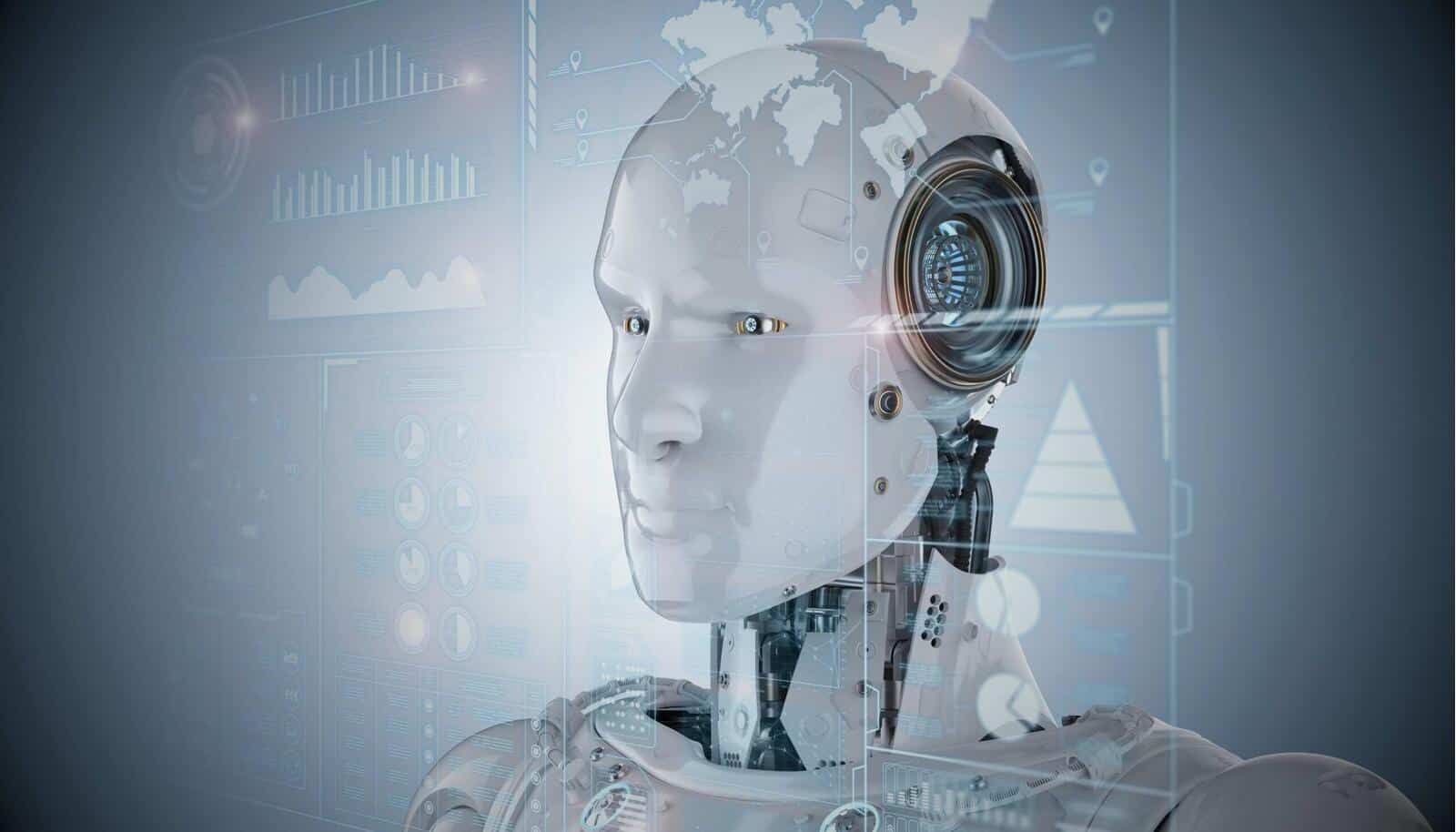
Hoffman trained an AI model on roughly 22 years of his public work – emails, articles, podcasts, speeches – and the resulting digital twin, Reid AI, has been delivering addresses and presentations on his behalf ever since. It’s been used for external appearances, internal coaching sessions and team Q&As, all in Hoffman’s voice, reasoning style and framing.
He’s not alone – a number of executives are building AI replicas trained on their own archives, redistributing their time by letting the twin handle routine and even public-facing interactions while the human focuses elsewhere. It sounds like a science fiction premise, but it’s a product category, and it’s growing fast.
What An Executive Twin Actually Does
The difference between an executive AI twin and a standard AI assistant requires clear definition.
A scheduling tool or email drafter makes a person more efficient at their job. A digital twin is trained to do a version of the job itself, in that person’s voice, with their reasoning patterns and framing instincts intact. The inputs are typically a long archive of the person’s public output – talks, interviews, written work, internal communications – processed into a model that can reproduce how they think and communicate.
The use cases in current deployments include delivering prepared talks and media appearances, answering team questions in the leader’s voice, running performance coaching sessions and preserving decision frameworks for reuse across the organisation. These are time-redistribution tools rather than full replacements for executive judgment – most deployments involve human oversight for preparation and sign-off, with the twin handling the execution. This difference matters because it’s essentially the polished, PR-approved version of what’s going on.
More from Artificial Intelligence
- The UK Just Admitted It Lost The AI Chip Race – Here Is Its Plan B
- How Much Data Do UK Internet Users Actually Give Tech And AI? New Research Tells The Shocking Truth
- Europe’s Banks Got An Emergency AI Warning From The ECB – Here Is What It Means For Fintech
- Musk, Zuckerberg And Sacks Just Reminded Everyone Who Really Runs US Tech Policy
- Nvidia Just Posted $81 Billion In Revenue – And The Gulf Is One Of Its Biggest Customers. Is That A Risk?
- Thrive Unveils Its Most Intelligent Release Yet, Putting A Team Of AI Agents At The Heart Of Every Employee Experience
- VEED Launches Subtitle API To Power The Next Generation Of AI Content Platforms
- Experts Share: Is AI The Next Big Excuse Behind Another Wave Of Mass Tech Layoffs?
The Product Signal This Sends
For those developing in productivity or personal AI, the executive twin trend is a dead giveaway of where things are heading in this space. Demand is shifting from narrow task automation to persona-preserving systems: AI that doesn’t just help someone do their work but carries something of who they are into the work itself. That’s a different and harder product problem.
This opens up specific areas for opportunity. Tools for safe persona capture – with consent frameworks, fidelity limits and clear governance over what the twin can and can’t say – are a rising priority as more executives ask the question. Real-time alignment systems that let a human principal monitor and override their twin in live situations are another. And institutionalisation tools – using an executive’s captured knowledge for onboarding, knowledge preservation and organisational memory – represent a B2B version of the same product category that sidesteps some of the public appearance risks entirely.
The Unspoken Aspect
The risks are real, but the industry mostly handles them by sweeping them under the rug. If an AI twin speaks off-message – at a live event, in an internal session, in a media context – the reputational damage lands on the human, not the model. Training on internal communications raises data governance questions which most implementations have not entirely fixed. It gets uncomfortable fast when we ask who really owns a leader’s voice, and whether an endlessly scalable voice can ever truly be authentic.
There’s also the question of what happens when the twin is better than the human at the routine version of the job. Not better at the actual thinking – but better at the performance of it, smoother, more consistent, less prone to a bad day. This capability isn’t a futuristic concept; it’s currently being actively marketed in executive AI-twin software.
What This Means For The Next Generation Of Personal AI
The executive twin serves as an early prototype for a much wider offering. If it works – if the persona capture is good enough, the governance is workable and the trust holds – the same product logic applies to anyone whose time is scarce and whose voice has value. Founders, creators, high-output professionals, consultants, coaches. The reason it starts with executives is that they have the archives, the budget and the motivation to be early adopters. It won’t stay there.
Reid Hoffman’s twin has given 75 speeches. The more interesting number is how many it gives in the next two years – and how many other executives are doing the same by then.