


There’s an organ in your chest that your doctor has probably never mentioned. It’s called the thymus, it sits behind your sternum, and for most of modern medicine it’s been treated as something that mattered in childhood and then quietly faded into irrelevance.
A new study from Mass General Brigham, published in two papers in Nature, suggests that view is wrong and that the thymus might be one of the more useful predictors of how long and how well you live.
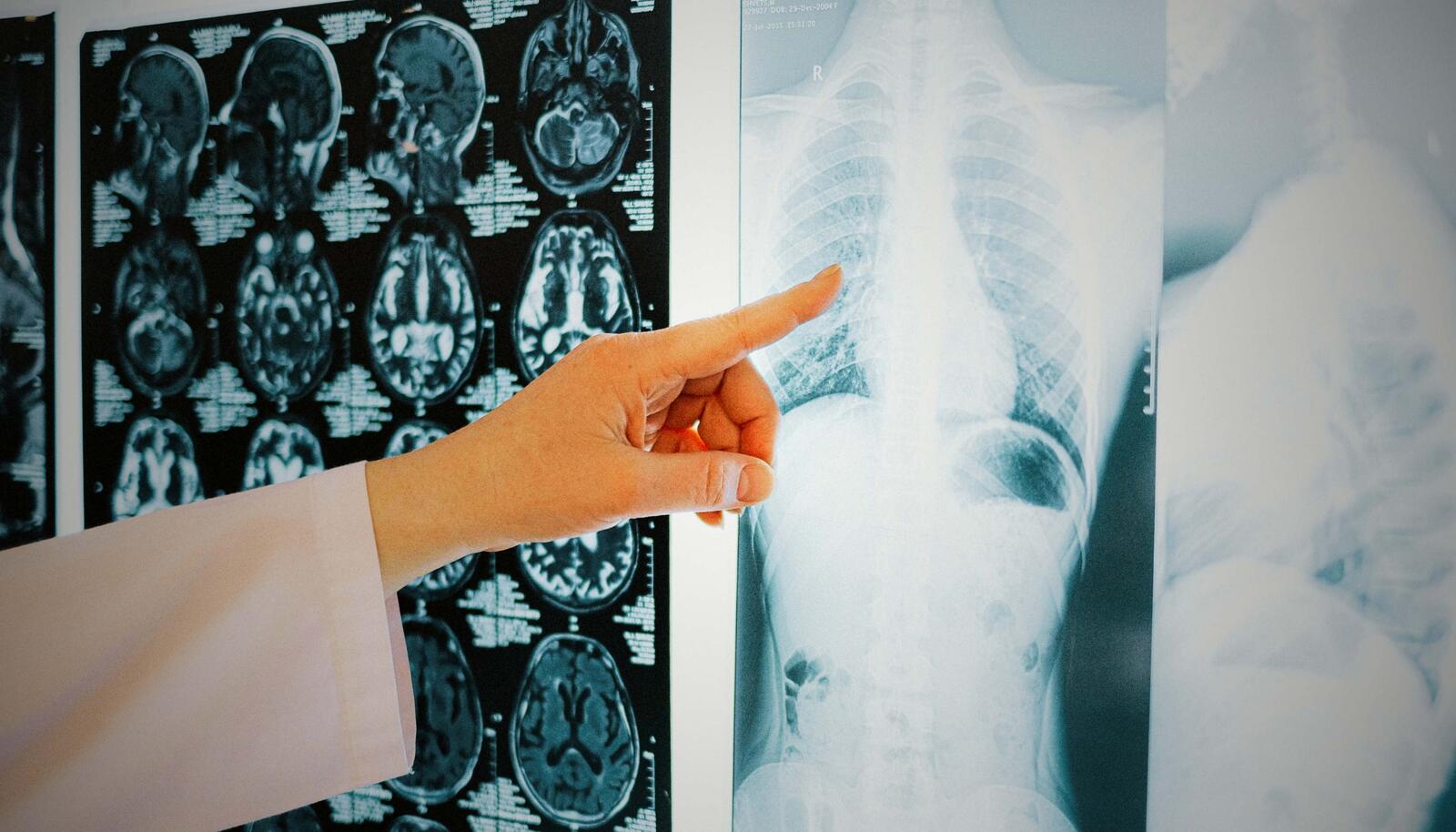
Researchers led by Hugo Aerts at Harvard Medical School built a deep learning model that analyses the size, shape and composition of the thymus from CT scans and generates what they call a “thymic health” score. They ran it across more than 25,000 adults from a national lung cancer screening programme and over 2,500 participants from the Framingham Heart Study, then validated it in a separate group of more than 1,200 cancer patients receiving immunotherapy, part of a wider real-world sample of over 3,400 patients.
The results, even after adjusting for age and other health factors, are significant. People with high thymic health scores had roughly 50% lower all-cause mortality, 63% lower risk of cardiovascular death and 36% lower risk of developing lung cancer than those with low scores. Among cancer patients on immunotherapy, a healthier thymus was associated with 37% lower risk of disease progression and 44% lower risk of death from cancer.
The Organ Nobody Thought Twice About
The thymus is part of the immune system – it produces T-cells, the cells responsible for identifying and responding to threats, whether that’s an infection or a cancerous cell.
The conventional view was that the thymus does most of its important work early in life and shrinks into something close to irrelevant by adulthood. What this study suggests is that thymic function continues to matter throughout adult life, and that its condition is an indicator of how well the immune system as a whole is functioning.
The factors associated with poorer thymic health are familiar ones: chronic inflammation, smoking and higher body weight all showed significant associations. The protective factors are equally familiar – regular exercise, not smoking and maintaining a healthy weight all support better thymic scores. In other words, the things that protect your heart also appear to protect this organ that’s been overlooked for decades.
Beyond its academic intrigue, this finding is clinically significant because of the thymus’s established role in current healthcare. It appears in routine CT scans – the kind ordered for lung cancer screening, cardiac assessment or a dozen other reasons. An AI model that scores thymic health from scans that have already been taken adds no extra cost, no extra appointment and no extra radiation. The data is already there, it just hasn’t been looked at this way before.
More from Artificial Intelligence
- Are Businesses Paying For The Same AI Features Multiple Times?
- Akeneo Announces Acquisition Of PricingHUB – Extending Product Cloud Into Pricing And Strengthen AI-Driven Commerce Capabilities
- Miro Wants To Fix The Disconnect Between AI Productivity And How Teams Actually Work
- 43% Of Consumers Would Rather Use A Sponsored AI Shopper Than Pay For Neutral Advice
- Decart’s New Oasis 3 World Model To Empower The Physical AI Revolution
- Google’s AI Price Cuts Suggest Subscription Pricing Could Define The Next Phase Of AI Competition
- AI Is Being Used To Design Illegal Drugs – Before They’re Even Illegal
- AI Has Moved Past Testing In Most Businesses – So What Comes Next?
What This Means For HealthTech And Longevity
The researchers highlight that thymic health acts as a predictor of immunotherapy response on par with established, commercially vital diagnostic markers such as PD-L1 and tumour mutation burden. This finding’s greatest strength is its immediate clinical applicability: it requires no additional patient testing and can be seamlessly incorporated into existing imaging workflows.
The opportunity for AI diagnostic companies is to make thymic scoring a standard part of the CT interpretations radiologists perform every day. For longevity apps, it’s a natural addition to their existing health metrics – assuming a previous CT scan exists. And for companies focused on cancer immunotherapy, a reliable predictive signal that requires zero extra testing is the kind of ‘quick win’ that gets prioritised quickly.
At its core, this is about AI changing the definition of what constitutes actionable medical data. For decades, the thymus was something radiologists saw on a scan and didn’t think twice about – because nobody had a reason to look closely. AI doesn’t need a reason, it can analyse every structure in every scan, all the time, and surface patterns nobody was looking for.
The thymus is one example, and it almost certainly won’t be the last.


