


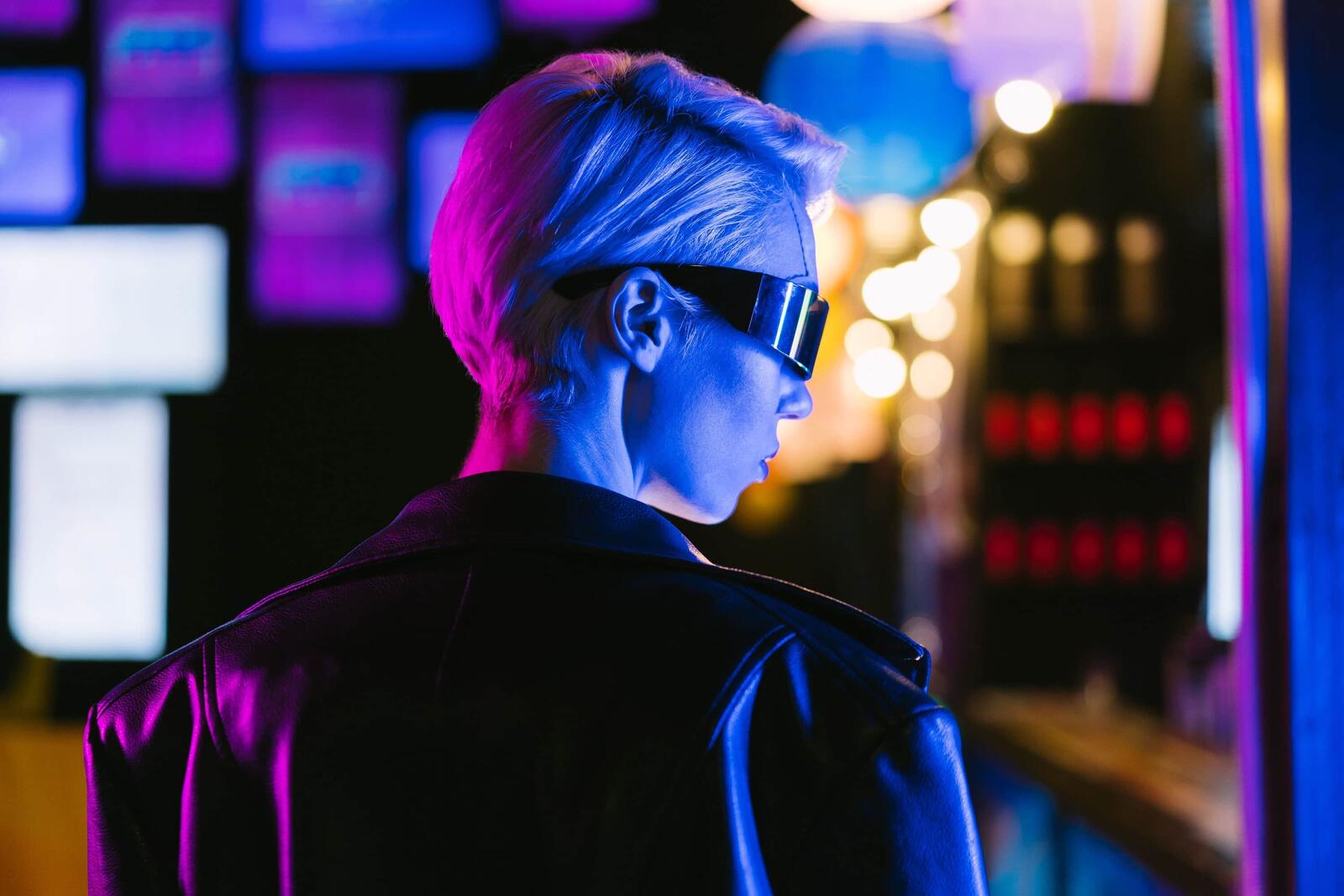
In 2013, we had a word for people who wore Google Glass in public: glassholes. The term stuck because the device made you look like a tech evangelist in the middle of an augmented reality breakdown, and because the camera was obvious enough to make everyone in the room uncomfortable. The privacy issues were real, but because the device was so obvious, the social friction was easy to anticipate.
The 2026 version of that problem looks completely different. Smart glasses are now styled to be indistinguishable from regular eyewear. Meta’s Ray-Ban collaboration has models that look like something from a mid-range optician. New competitors are entering the market with similar designs that feature better recording capabilities and deeper AI integration. The social signal that made it legible as a privacy threat? Engineered out entirely.
Behind The 2026 Hardware
Researchers have already demonstrated that footage from Ray-Ban Meta glasses can be combined with facial recognition systems to identify strangers in public, cross-referencing faces against social media profiles and public records. It’s not just about being recorded anymore; it’s about being instantly identified without even knowing it. The person next to you might be doing both, and you wouldn’t know.
Meta is also testing a prototype with more frequent ambient image capture, which would move the device further from “camera you can point at things” toward “camera that takes in its surroundings continuously”. The usual privacy cue, the visible LED that indicates recording, may not function the same way in this mode – that’s significant. The LED is currently the main visible signal that tells a bystander they’re being recorded.
On the audio side, Meta’s voice recordings from “Hey Meta” interactions are stored in the cloud and retained for up to a year under 2025 policy changes. There’s no opt-out beyond manually deleting them. That extends the data collection issue well beyond photos and video into ambient audio, which is a different category of privacy exposure entirely.
More from Tech
- Could Five-Minute Charging Change How We Think About EVs?
- The Tech You’d Never Think Had Anything To Do With F1
- 10 Technologies Transforming The F1 Fan Experience
- What Are The Biggest Technology Trends In Singapore?
- Can Single-Video Learning Solve The Biggest Obstacle In Commercial Robotics?
- Women In Tech: Top 8 Women In FinTech In 2026
- Ring Ring, The VoIP Future For Call Centres Is Calling
- 10 F1 Technologies That Are Way More Impressive Than They Look
Why This Is Different From The Camera Phone Problem
We’ve developed a social norm around smartphones where the gesture of raising a camera is clear enough to spot. Pointing a phone at someone in a changing room or a courtroom is obviously wrong, and the act of doing it is detectable. That shared legibility is what makes camera phone norms workable, even if imperfectly.
Smart glasses break that contract – there’s no visible gesture and no raised device. Someone recording you looks identical to someone who needs glasses. Courts, gyms, hospitals and testing centres are already responding with restrictions, which is the clearest indicator that the institutional world has noticed the problem. These are places with heightened privacy expectations.
To mitigate the risk of hidden recording, Meta has relied on one primary solution: a mandatory software update that disables the camera if the recording LED is physically blocked or tampered with. While that is a sincere effort, it only covers the most glaring issue. The deeper issue is that a camera in a socially normal form factor creates ambient surveillance potential that doesn’t require any tampering at all.
What Can We Do?
The realistic answer is: not as much as the problem warrants.
Hardware indicators only offer a marginal benefit. Mandatory LED requirements, automatic shutdown when those indicators are bypassed and stricter account enforcement can reduce obvious abuse cases. They don’t solve the core problem, which is that a recording device indistinguishable from eyewear creates a category of surveillance that existing privacy law wasn’t designed for.
In the short term, banning these devices by location is the most enforceable strategy. Locations such as gyms, courtrooms, changing facilities and medical settings could require that recording-capable eyewear be disclosed or left behind, similar to how they already restrict phone use. That won’t stop recording in public spaces, but it protects the environments where privacy expectations are highest.
The trickier legislative challenge involves facial recognition. The identification risk from smart glasses isn’t primarily about the footage itself but about what happens when that footage is run through recognition systems. Stronger biometric data protections, particularly in the US where federal regulations remain limited, would do more to address the actual risk than hardware regulation alone.
We solved the “obvious gadget nerd” problem and quietly created the “invisible camera” problem instead. The technology is now good enough to be desirable as fashion and capable enough to be consequential as surveillance. The space between those two things is where the privacy debate is going to live for the next few years, and it’s a harder gap to close than banning glassholes was.


