


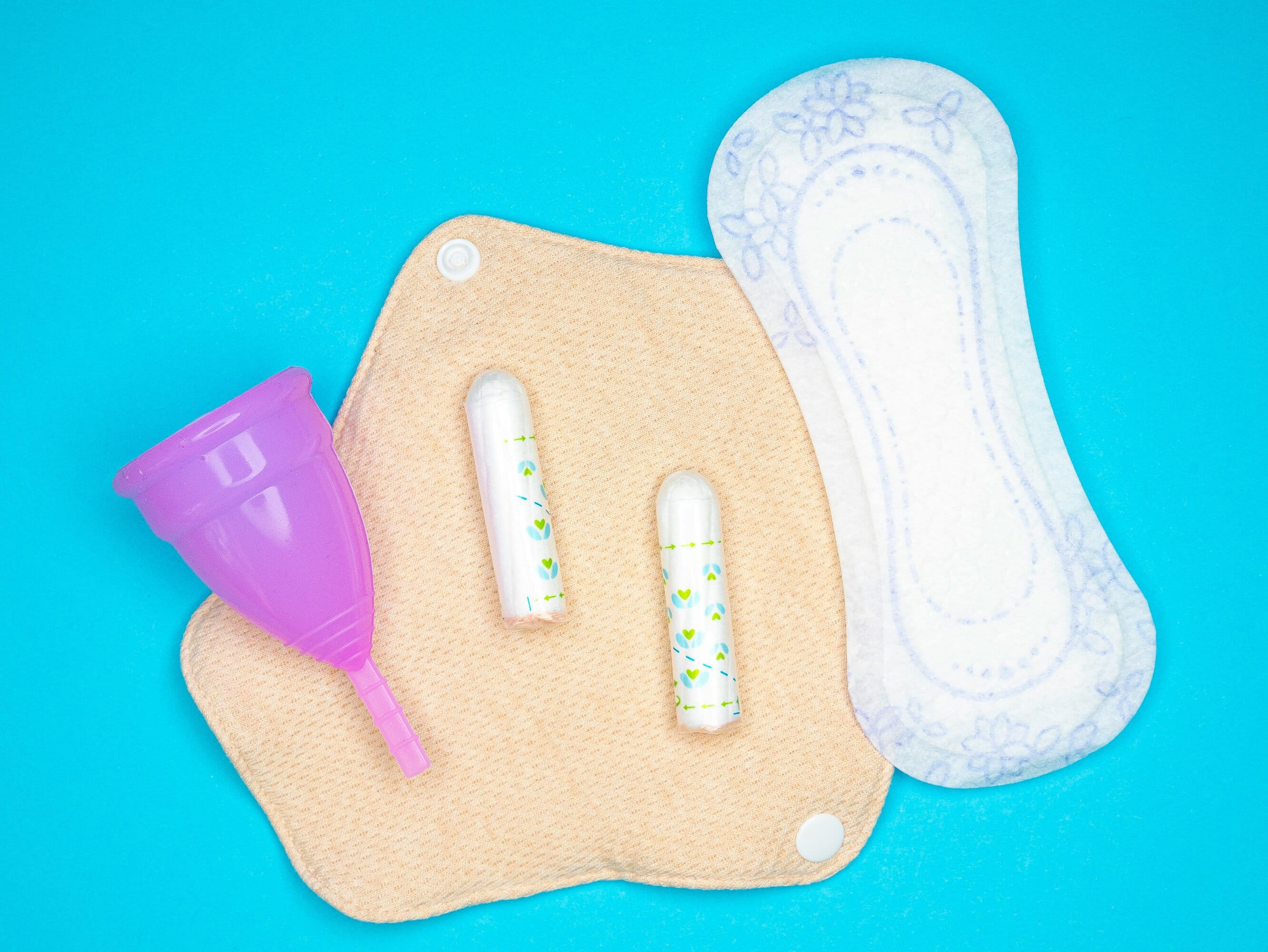
For millions of women, period-tracking apps have become part of everyday life. They help users predict their cycles, track symptoms, monitor fertility, and better understand their health on a broader level. But alongside their growing popularity has come an uncomfortable question about the nitty-gritty of the tech side of things. That is, what exactly happens to all that data?
And the concern is absolutely something we need to take seriously. Period-tracking apps can collect some of the most intimate information a person can share, including menstrual cycles, symptoms, sexual activity, pregnancy information and reproductive health data. Researchers, regulators and privacy advocates have increasingly warned that this information can be valuable not just to users, but to advertisers, data brokers and other third parties.
In the UK, around one in three women have used a period or fertility app, according to research cited by the University of Cambridge’s Minderoo Centre for Technology and Democracy. The centre warned that menstrual data has become a “gold mine” for profiling, raising concerns around everything from targeted advertising to workplace monitoring and cyberstalking.
Why Women Are Questioning Period Apps
Privacy concerns surrounding period trackers are not new, but they have become more visible in recent years, and for good reason.
Mozilla’s latest review of period-tracking apps highlighted how much sensitive information many apps ask users to provide, including details about pregnancies, miscarriages, symptoms and daily behaviours. Privacy experts have argued that this type of data deserves particularly strong protection because it reveals deeply personal aspects of a person’s life.
Research has also shown that concerns about reproductive data are influencing consumer behaviour. Privacy fears have pushed some women towards apps that minimise data collection or offer stronger protections around how information is stored and shared.
And adding to those concerns, the University of Cambridge’s Minderoo Centre warned that reproductive health data could potentially be used in ways users never anticipated, including profiling, discrimination or surveillance.
Against this backdrop, many women are beginning to ask a simple question. That is, does a period-tracking app really need to know everything about them? Who does it actually benefit when women provide these companies with such sensitive data?
More from FemTech
- Natural Cycles Partners with Garmin on MHRA-Registered Fertility Innovation
- Why Has It Taken So Long for Tech to Take Endometriosis Seriously?
- The Biggest FemTech Funding Rounds Of 2025
- Expert Predictions For FemTech In 2026
- Expert Predictions For FemTech in 2025
- Announced! FemTech44 Winners 2023
- 29. FitrWoman
- 42. Koala & Joe
A Different Approach To Femtech
One company hoping to answer that question is PERIOD., a cycle-tracking app founded by Amsterdam-based entrepreneurs Lisa Volkers and Diederick Trampe.
According to the company’s launch announcement, PERIOD. reached number one in the Dutch Health App Store shortly after launching earlier this year and has since grown to tens of thousands of users. The company says the app doesn’t require users to provide their names, it carries no advertising, and most importantly, it doesn’t sell user data. It also states that user information is stored on servers within the European Union and can be exported or deleted at any time, which is a really important “technicality”.
For Volkers, the idea came from her own frustrations with existing apps: “I was on holiday at 29 and realised I did not really understand my own body. I could not have told you what my luteal phase was.”
In her exclusive interview with TechRound, she explained that many of the apps she tried felt overly commercialised and focused on collecting more information than necessary. “I kept waiting for someone to build the honest version of this. Nobody did.”
That frustration ultimately led to the creation of PERIOD., which was designed around a privacy-first model rather than an advertising-based one. Because, as Lisa explained to us, if it doesn’t start off as a privacy-first model, it’s tough (if not impossible) to go back.
The Business Model Is Essential To Its Success
One of the recurring themes throughout the wider femtech privacy debate is that data practices are often closely linked to how a company makes money. In her interview, Volkers argued that consumers should look beyond branding and marketing messages and instead examine the underlying business model.
“Who owns it. Where does the revenue come from. Is it free because it respects you, or free because you are the product.”
These questions are what will help us understand exactly what’s going on with these companies, how they’re making money and what their motivations are. Indeed, studies examining reproductive health apps have repeatedly found concerns around data collection, tracking technologies and transparency across parts of the sector. Researchers have argued that users often struggle to understand exactly how their information is being used.
According to PERIOD., its revenue comes from subscriptions and employer wellbeing programmes rather than advertising or data monetisation. The company says employers who purchase access through its workplace offering cannot see employee health information or usage data.
Women Taking Back Control?
The broader question facing femtech is whether women can regain greater control over their reproductive health information without giving up the convenience of digital tools. Of course, we can’t ignore the fact that one of the things that makes some of these other platforms attractive (the ones that are a bit dicy with data privacy) is that they’re free to use. PERIOD, on the other hand, is a paid app. However, the title of “free” comes at the cost of giving up data, and paying a small fee (like a few Euros a month) means keeping all your personal information safe.
But there’s also another way to look at it. Volkers believes the answer lies in collecting less data rather than creating more complicated privacy policies: “an app cannot lose, sell or hand over what it never asked for.”
That philosophy has become a growing theme within privacy-focused technology more broadly. As consumers become increasingly aware of how personal data is collected and monetised, products that minimise data collection altogether are attracting greater attention.
Whether PERIOD. ultimately becomes a major player in the sector remains to be seen, but the entire philosophy upon which its built is undeniably thought-provoking and has a great deal of potential for success.
For years, the conversation around femtech has focused on helping women better understand their bodies. But now, we’ve gone even further than that: now, it’s about who owns the data generated along the way. And for a growing number of women, the answer matters just as much as the app itself. At least, it should.


