


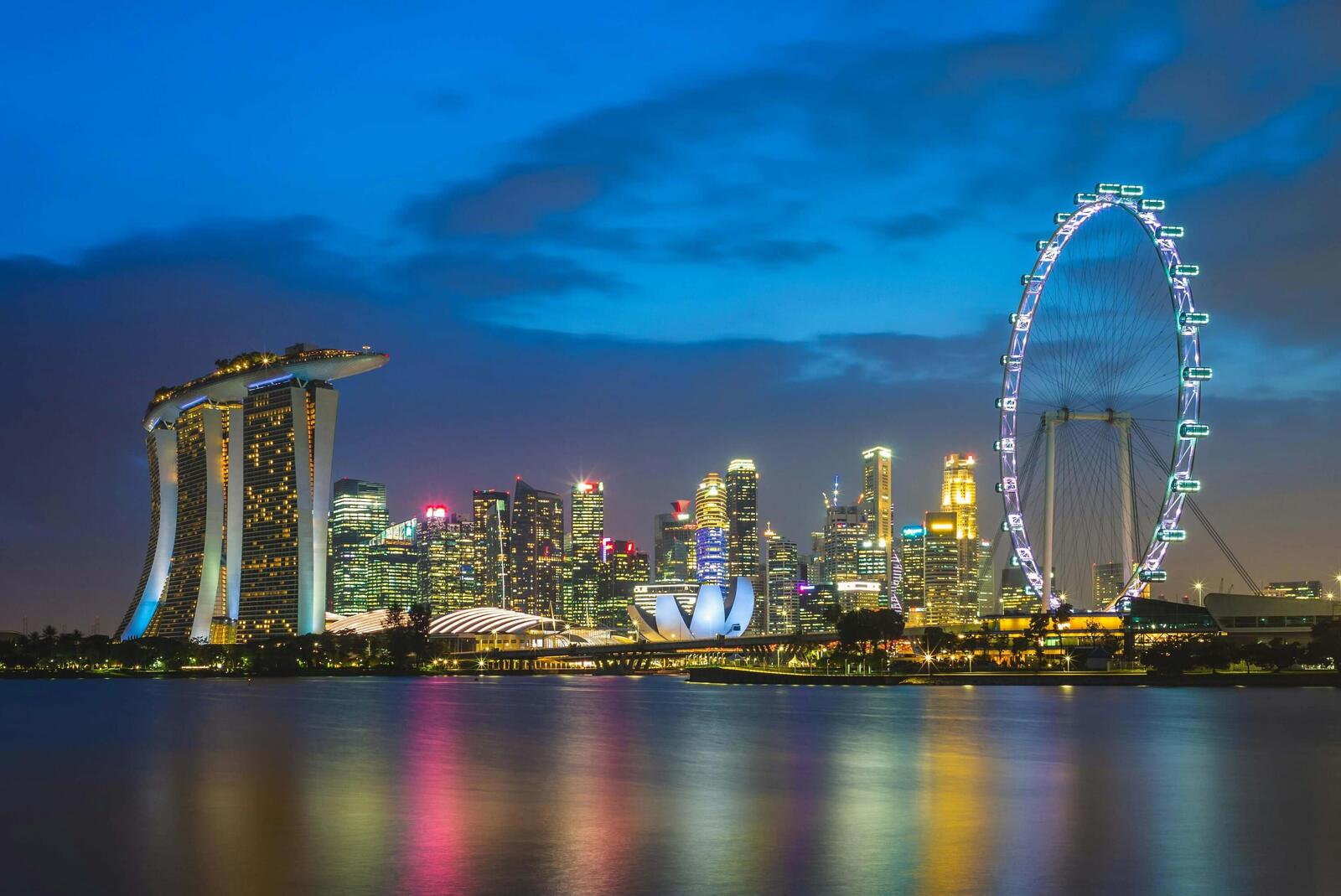
Singapore has established itself as one of Asia’s most important destinations for startups, entrepreneurs and investors. Despite its relatively small size, the country has built a business environment that makes it easier for companies to launch, access funding, attract international talent and expand into other Asian markets. Its strong digital infrastructure, supportive government policies, and position at the centre of Southeast Asia have all helped create a thriving startup ecosystem.
But Singapore’s success did not happen by accident. A combination of strategic government investment, international connections, access to capital and a business-friendly environment has helped turn the country into a gateway for startups looking to enter the wider Asian market.
How Did Singapore Build Its Startup Ecosystem?
Singapore built its startup ecosystem through a combination of government support, strong infrastructure, access to international markets and a business-friendly regulatory environment. The country has deliberately invested in creating an environment where entrepreneurs can start businesses, access funding, develop new technologies and expand across Asia.
Its strong financial sector has also helped attract investors and multinational companies, creating connections between startups, established businesses and international capital. At the same time, universities, incubators, accelerators and research institutions have helped strengthen the country’s innovation ecosystem.
What Role Does The Singapore Government Play In Supporting Startups?
The Singapore government plays an active role in developing the country’s startup ecosystem. Government agencies provide funding programmes, grants, mentorship, networking opportunities and support for companies looking to internationalise.
How Easy Is It To Start A Business In Singapore?
Singapore is widely recognised for having a straightforward business environment. Entrepreneurs can register companies through digital government services, while the country’s established financial and professional services sector makes it easier to access banking, accounting, legal and other business support.
More from Startups
- Columbia University: Successful Alumni That Founded Startups
- What Is Germany Doing To Attract More Startups?
- Are Hiring Challenges Preventing Startups From Reaching Their Full Potential?
- Meet The Startups Crowdfunding w/c 12.10.2026
- The Cold Start Problem: Why Getting A Startup Off The Ground Is So Difficult
- Founder Of The Week: Ryta Zasiekina
- Top Industrial Tech Startups To Watch In 2027
- Startup of the Week: Kord
How Singapore Became Asia’s Startup Gateway
Singapore’s position as a startup gateway has developed through several factors working together. Its location, infrastructure, international connections and business environment make it an attractive base for companies that want to reach customers and partners across Asia.
Its Strategic Location
Singapore sits at the centre of major trade routes connecting Southeast Asia with markets such as China, India, Japan and Australia. This makes it a convenient base for companies looking to operate across multiple Asian markets.
Its Strong Business Environment
A stable regulatory system, developed financial sector and strong infrastructure give startups a solid foundation from which to operate. International companies can also find many of the professional and financial services they need in one market.
Its International Workforce
Singapore attracts skilled professionals from around the world, helping startups access talent across technology, finance, marketing, engineering and other fields. Its international population also gives businesses exposure to different markets and perspectives.
Its Focus On Innovation
Investment in technology, research, digital infrastructure and emerging industries has helped Singapore build an ecosystem where startups can develop and scale innovative products.
How Does Singapore Attract Startup Investment?
Singapore attracts startup investment through its reputation as a stable financial centre and its strong connections to international investors. Venture capital firms and other investors can use Singapore as a base for identifying opportunities throughout Southeast Asia.
Government-backed funding initiatives also help encourage private investment and support early-stage companies. This creates a broader funding ecosystem in which startups can move from early development towards larger funding rounds and international expansion.
How Does Singapore Help Startups Access Asian Markets?
Singapore gives startups a strategic base from which to expand into neighbouring markets. Its location provides access to Southeast Asia, while its strong connections with major global economies make it easier for businesses to build international relationships.
Which Industries Are Driving Singapore’s Startup Growth?
Singapore’s startup ecosystem spans a wide range of industries, with technology and innovation playing a particularly important role. Some of the sectors attracting significant entrepreneurial activity include:
- Fintech: Singapore’s established financial sector and strong digital infrastructure have created opportunities for digital payments, banking, wealth management and financial technology startups.
- Artificial Intelligence: AI startups are developing solutions across finance, healthcare, cybersecurity, business services and other industries.
- HealthTech: Digital healthcare, biotechnology, medical technology and health services are becoming increasingly important areas of innovation.
- Cybersecurity: The country’s position as a major digital and financial hub creates strong demand for cybersecurity solutions.
- E-commerce: Singapore’s highly connected population and role as a regional business hub provide opportunities for online retail and commerce technology.
- Logistics and Supply Chain Technology: Singapore’s role as a major global trade and shipping hub creates opportunities for startups developing smarter logistics solutions.
What Challenges Do Startups Face In Singapore?
Despite its strengths, Singapore is not without challenges for startups. One of the biggest is cost. High salaries, property prices, office costs and other operating expenses can make it expensive to build a team and maintain a business.
Startups can also face intense competition for skilled talent. Singapore’s technology sector attracts major multinational companies and established businesses, meaning young companies often have to compete for the same pool of highly qualified workers.


