


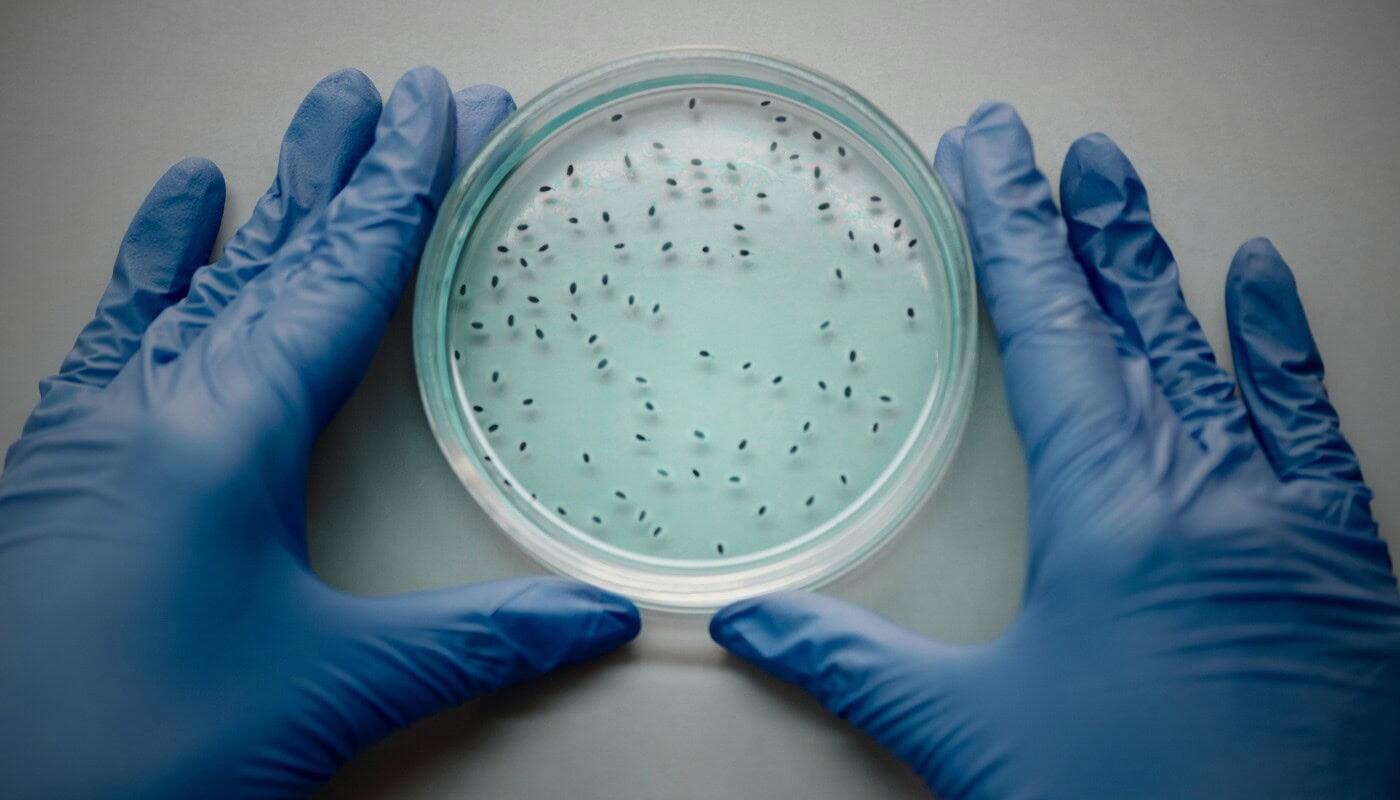
Biotech journalism loves the term microbial technology, largely because it sounds far more expensive than using bacteria to do the work.
The concept is straightforward enough: put living microorganisms to work building products and driving manufacturing at a volume that traditional chemical plants can only dream of. The category stretches from low-tech, millennia-old fermentation processes to modern bio-engineered cell platforms designed to spit out pharmaceuticals, green aviation fuel and lab-grown protein.
The UN Convention on Biological Diversity defines biotechnology as any process that uses living systems or their derivatives to create or adapt products. Microbial biotechnology is the focused offshoot of that definition, delegating the workload to microbes instead of multicellular flora and fauna.
Why It Keeps Appearing In Biotech News
Fast growth, low culturing costs, easy genetic manipulation and operational versatility make microbes indispensable to modern biotech. This blend of traits places them at the heart of current industry news.
High-volume fermentation drives industrial biomanufacturing, supplying everything from essential pharmaceuticals and enzymes to organic acids and sustainable materials. Meanwhile, synthetic biology platforms use CRISPR technology to redirect microbial metabolism toward manufacturing novel outputs such as bio-based plastic inputs, scent molecules and lab-grown proteins.
Microbial work in human health and gut microbiome research is another main attraction. Targeted probiotics and microbiome therapies require very specific microbial combinations, so they naturally generate frequent headlines around trial results and regulatory milestones.
Green technology, on the other hand, leans on the same microscopic work to refine biofuels, turn farm waste into valuable industrial inputs, decontaminate soil and cut factory carbon footprints. In the food sector, precision fermentation makes use of microbes to generate the proteins, fats and ingredients needed for dairy substitutes and alternative meats.
These fields connect straight to new investments, regulatory approvals and commercial launches. They also drive the major climate and food security narratives leading the news. Consequently, microbial technology runs through much of everyday biotech reporting, even when it goes uncredited as the underlying link.
More from Guides
- Common Travel Data Mistakes a Prepaid eSIM Plan Helps You Avoid
- Moving to Dubai As a UK Tech Founder: What Happens To Your Salary, Dividends And Business Sale?
- Why Does Your Phone Battery Get Worse Over Time ? The Tech Behind Battery Degradation
- Am I Owed a Tax Rebate? A PAYE Checklist For UK Employees
- Your Startup Just Got Acquired, What Happens To Your Team’s Visas?
- Inside The Technology Tracking Products From Factory To Customer
- Is The Anti-Unicorn (Zebra) Movement Starting to Grow?
- What Is AI Debt?
Essential Terms in Microbial Tech
A few core terms recur frequently enough in biotech reporting to be worth recognising.
Industrial fermentation operates in two primary modes: submerged, or liquid, fermentation and solid-state fermentation, where selecting one over the other determines product yield, processing cost and overall output profile. The microbes themselves range from wild natural isolates to lab-selected mutants and genetically modified, often CRISPR-edited, strains, depending on the targeted application and relevant compliance rules.
Two main metabolite categories dictate their commercial interest. Primary metabolites, such as amino acids, organic acids and vitamins, keep the microbe alive while delivering useful inputs for human applications. Secondary metabolites, which include antibiotics and antitumour compounds, play no role in basic survival but often prove to be the most lucrative output.
To develop these organisms, researchers use omics tools, combining genomics, transcriptomics and metabolic modelling to map and design strains with high precision.
Where This Actually Shows Up
Microbial systems do heavy lifting in pharma by producing antibiotics, recombinant proteins and important vaccine inputs, with ongoing tweaks to yield keeping things lively in trade press. On the chemical side, old favourites like food enzymes, ethanol and organic acids are branching out into bio-based plastics and solvents. This simple swap from petroleum to bio-based alternatives typically gives biotech founders their best selling point when chasing venture funding.
Farming utilises microbial biofertilisers and biopesticides to boost nitrogen levels, unlock soil phosphate and suppress crop diseases, which reduces reliance on traditional chemical inputs. Environmental applications use microbes to decompose pollutants, treat wastewater and restore damaged habitats, with ongoing work targeting complex synthetic waste.
At the speculative end of the scale, breakthroughs in bacterial transistors and biological circuits mean microbes can now be programmed for sensing tasks and elementary logic, giving tech media some of its wildest stories in the process.
Why The Term Feels Ubiquitous Right Now
Two major factors are driving visibility right now.
The first is maturing technology: affordable sequencing, sharper genetic engineering tools and sophisticated bioprocess methods have turned microbial systems into dependable factories for markets that once depended on chemical synthesis or raw harvesting.
Policy and market demand cause the second push. Decarbonisation goals and supply chain vulnerabilities are steering capital straight into bio-based, microbe-driven alternatives. That’s why microbial tech continuously features across funding rounds and commercial rollouts instead of just remaining trapped in academic literature.
The next time a headline mentions a company engineering bacteria to produce a sustainable material, or a startup using fermentation to replace an animal-derived ingredient, the underlying technology is almost certainly some variation of what’s described here. The specific application changes constantly, but the core method, using living microorganisms as programmable production systems, is the same one that’s been running behind biotech news for years.


