


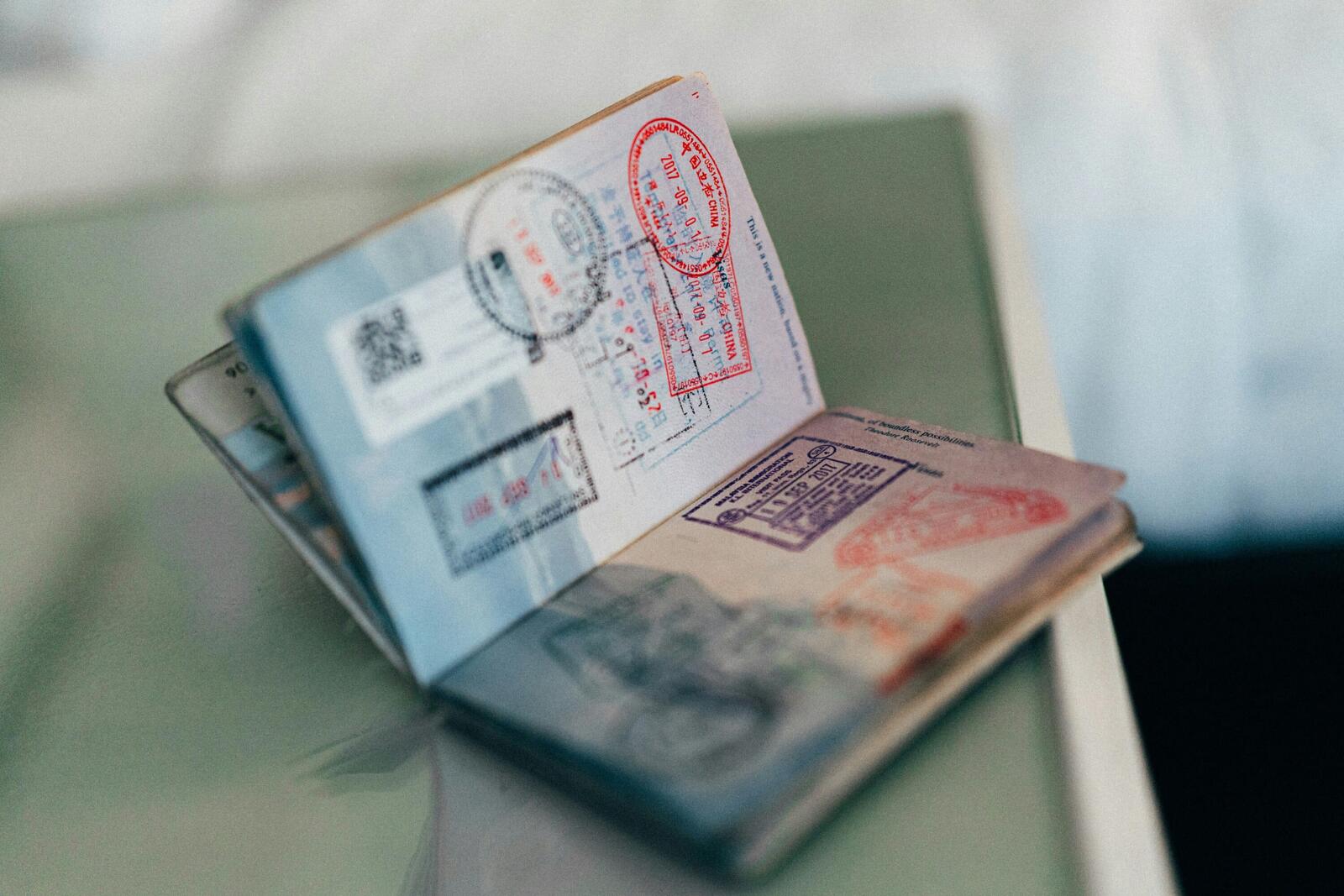
“Working abroad” gets thrown around like it means one thing, but it actually covers everything from taking a permanent job to flying out for a two-day client meeting or working remotely from another country for a few months.
The visa requirements can look very different in each situation because immigration authorities care about what you’ll actually be doing, who you’ll be working for and how long you plan to stay there.
Unfortunately, “I’ll figure it out at the border” isn’t much of an immigration strategy, so it’ll definitely help to know which visa applies to you before booking that flight.
Why Your Work Situation Matters
Immigration systems separate different kinds of work because not every overseas work arrangement has the same legal requirements. Someone employed by a company in their destination country might need permission to work there, while someone visiting for a meeting may fall under the visitor rules instead.
Different Types Of Visa’s For Working Abroad
Some countries also have specific categories for remote workers, temporary jobs, internal company transfers or people just searching for a job. These categories make it possible for governments to set different rules for each type of arrangement.
General Work Visa
If you have accepted a job with an employer in another country and plan to move there to work, you will generally need a visa or work authorisation that allows you to take up that employment; however, the exact requirements depend on both the country and the type of job you’re taking.
The UK’s Skilled Worker visa shows how specific the process can be. GOV.UK says applicants need a confirmed job offer from an approved UK employer, a certificate of sponsorship, an eligible occupation and a minimum salary, while most applicants also need to meet an English language requirement. A job offer might get you through a company’s recruitment process, but immigration authorities still have their own rules you need to meet.
Business Visa
Business travel is different because you can travel overseas for work without actually taking up employment in the country you’re visiting. Client meetings, conferences, negotiations and professional training can all fall under business visitor rules, although these will also still depend on the destination.
For example, UK visitor rules allow visitors to attend meetings and conferences, negotiate contracts and take part in certain work-related activities, while visiting as a Standard Visitor
More from Guides
- What Is A Computer Cluster Or Cluster Computing?
- Going Global? Here’s What VoIP Can (And Can’t) Do For You
- How Do Social Media Algorithms Work?
- What Is Microbial Technology, And Why Does It Keep Showing Up In Biotech News?
- What Is The Digital Euro?
- What Is Broadband?
- Why Energy Security Now Matters To Business Connectivity
- Deleted Doesn’t Mean Gone – How Permanent Is Your Digital Footprint?
Remote Work Visa
Remote work visas are for the people who want to live temporarily in another country while continuing to work remotely. Depending on the job, this can include employees working for overseas companies, freelancers and self-employed workers, with countries usually having requirements around income, health insurance and the length of the stay.
Portugal, for example, has a residence visa route for people working remotely for employers or clients outside the country. Portugal’s Agency for Integration, Migration and Asylum (AIMA) requires applicants to provide a declaration from the overseas employer or client confirming the employment or service relationship – which again, obviously depends on the arrangement.
Your employer might be happy for you to be working from a beach, but that doesn’t automatically mean the country you’re sitting on that beach in is happy about it too.
Temporary Work Visa
Not every overseas job involves permanently relocating, and some countries have specific routes for people who are going abroad to work for a limited period. These can cover certain seasonal jobs, temporary contracts and project-based assignments, although the exact categories depend on the country.
Someone travelling overseas for a specific project might have a different immigration process from someone accepting a permanent position with a local employer, even if both are being paid to work while they are there.
Intra-Company Transfer Visa
If you already work for an international company and are being sent to another country by that same employer, you may fall under an intra-company transfer route rather than applying to take a completely new job.
The US L-1 classification is used for certain employees being transferred to a US office. According to U.S. Citizenship and Immigration Services (USCIS), this can apply to executives, managers and employees with specialised knowledge who are being moved from a foreign office to the US. Specific rules also apply when a foreign company is sending an executive or manager to establish a new US office. You already have the job; the paperwork is basically allowing that job to cross a border with you.
Jobseeker Visa
Some countries allow eligible people to enter specifically to look for employment, rather than requiring them to have a job offer before arriving. Germany’s Opportunity Card is a job-search route that replaces the country’s previous jobseeker visa. It allows eligible non-EU and non-EFTA citizens to enter Germany to look for qualified employment while meeting specific requirements around qualifications, points and financial support.
Finding a job doesn’t exactly mean you can immediately start working; however, Germany’s Make It In Germany website says that the Opportunity Card allows limited part-time employment while someone searches, but once they secure a suitable job, they can apply for the appropriate residence permit for that job.
Before Applying: Get The Right Visa From The Start.
Before applying, be clear about what you will actually be doing once you arrive, who you will be working for, how long you will stay and whether you will be paid while you are there. You should also check whether your employer needs to sponsor you or whether you need another form of work authorisation.
The best place to check is the official immigration authority for your destination, especially since visa categories and requirements can change. Getting the right visa might not be the most exciting part of planning to work abroad, but it’s one less thing to worry about once you’ve landed – then you can focus on the more enjoyable (and important) things, like where you’re going to live, what you’re going to pack and where the nearest coffee shop is.


