


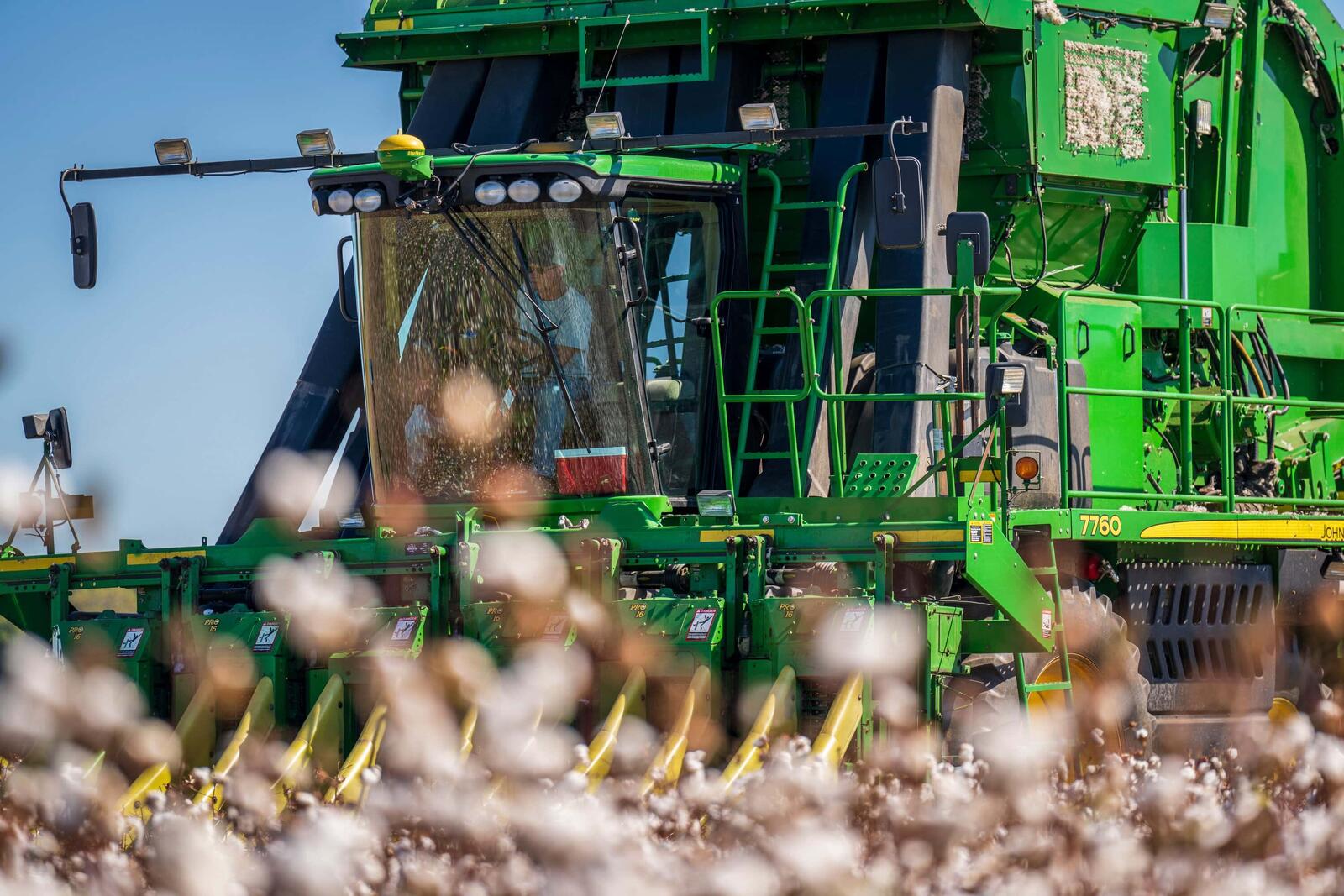
Farming in South Africa comes with so many challenges – water can be difficult to manage, weather can disrupt production and rising input costs can make it harder for farmers to protect their margins. Getting produce from farms to buyers can also involve different markets, payment systems and supply chains.
South African startups are using AI and aerial imagery to monitor crops, building digital marketplaces for farmers, putting livestock auctions online and using sensors to track soil and water. Others are working on hydroponics, alternative proteins and insect-based animal feed.
Why Agritech Is Growing In South Africa
Water is a huge concern for agriculture in South Africa, especially in areas where farmers rely a lot on irrigation. The Western Cape Government has described the province as water scarce and has highlighted the need for better water-use efficiency in agriculture. Weather also have a direct impact on farms, with flooding in May 2026 damaging crops, irrigation systems and other farm infrastructure across parts of the Western Cape.
Farmers also have more data available to work with; satellite and aerial imagery, connected sensors, weather information and digital platforms can give farmers more information about what is happening across their farms, while online marketplaces can make it easier to buy inputs or sell produce.
More from Startups
- Startup of the Week: Rainbow Crops
- 8 Startups Crowdfunding w/c 28.09.2026
- Top Aerospace Startups In Saudi Arabia
- The Top 7 Debt Recovery Startups To Keep An Eye On
- Top AI Startups In Australia To Watch In 2027
- Founder Of The Week: Xile He
- Top Aerospace Startups In Brazil
- Startup of the Week: Farseer
Agritech Startups To Watch In South Africa
1. Aerobotics
Cape Town-based Aerobotics was founded in 2014 by James Paterson and Benji Meltzer. The company started by using drones and machine learning to collect and analyse information from farms, and its technology is now used to monitor tree health and fruit across orchards.
Aerobotics says it operates in more than 18 countries and that its software has analysed more than 130 million pieces of fruit. Its focus on tree crops gives it a specific use case, with aerial imagery and AI helping growers keep track of large numbers of trees and make decisions about their crops.
2. Nile.ag
Nile.ag is approaching agriculture from the trading side; its online marketplace connects fresh produce farmers with commercial buyers, while another part of the platform allows farmers to buy agricultural inputs.
Farmers can list produce online for buyers, while the inputs marketplace covers products such as fertiliser, crop protection, equipment, irrigation and animal feed. Nile also provides services around payments, logistics and finance, bringing more of the buying and selling process into one platform.
3. SwiftVEE
Buying livestock does not always have to mean being physically present at an auction. SwiftVEE has built an online platform where buyers can watch and bid on livestock and game auctions remotely.
Founded in 2019, the company operates in South Africa as well as Namibia, Botswana, Zimbabwe and Zambia. In November 2025, SwiftVEE announced a $10 million Series A round, worth more than R170 million at the time, with the money going towards expansion and new services covering areas such as finance, insurance and data.
The company says it now trades more than $100 million worth of livestock and game through hundreds of auctions each year, giving it a sizeable role in the move towards online livestock trading.
4. Khula!
Khula! is bringing technology into some of the everyday jobs involved in running a farm, including buying inputs, selling crops and getting production finance.
Its platform includes an inputs marketplace, a trader app that lets farmers contract crops before harvest and a finance app that allows farmers to apply to multiple funders. Farmers can also use its software and AI tools to manage their businesses and track their progress.
In March 2025, Khula raised R126 million from existing shareholders including Absa, AECI, E Squared and PepsiCo’s Kgodiso Fund. In 2026, Khula and Bayer also launched a R7.5 million Farmer Accelerator designed to help 50 emerging farmers access finance, markets, tools and training.
5. MyBitSecure
MyBitSecure is working on the more connected side of farming; it’s MBS SmartFarm platform uses IoT sensors to monitor things such as soil moisture, pH, electrical conductivity and temperature, while also tracking water use and weather information.
The company also combines its smart farming technology with cybersecurity. Its systems are designed to monitor and automate things such as irrigation while protecting connected devices, dashboards and farm data.
In 2026, MyBitSecure worked with the Sustainability Institute on a three-month pilot at its community garden in Lynedoch, Stellenbosch. The pilot ran from February to April and used the SmartFarm platform to monitor soil and environmental conditions, irrigation and weather data.
6. AEVORA Technologies
AEVORA Technologies is focusing on one of the biggest practical issues in farming: managing water. Its Aquaintelli platform combines agricultural data, weather information and analytics to help farmers make irrigation and farm-management decisions.
The platform includes weather-based irrigation recommendations, water-use tracking, crop-specific information and a farm-management dashboard. AEVORA’s roadmap also includes connecting Aquaintelli to sensors that can monitor things such as soil moisture, water flow and pressure.
7. UrbanFarm Africa
UrbanFarm Africa has a more physical approach to farming technology with its Hydro Coop system. The setup combines hydroponic vegetable production with broiler farming, which farmers two types of food production within the same small-scale system.
The company provides Hydro Coops along with farming inputs and training, and has been installing the systems across South Africa. Its current projects include providing farmers with infrastructure, chicks, feed, medicines, seeds and hydroponic nutrients alongside the Hydro Coop itself.
Instead of giving farmers another platform to monitor, UrbanFarm Africa is selling a system that combines the infrastructure, production methods and support needed to get a small farming project running.
8. The Awareness Company
The Awareness Company is using data and AI to help organisations keep track of agricultural projects. Its HYDRA platform is designed for agriculture risk management, bringing together information on farm activities, performance and assets.
The platform provides real-time information and automated reporting, with the company positioning it as a way for organisations to track investments and see what’s happening across the farms and projects they support.
9. De Novo Foodlabs
Formerly known as De Novo Dairy, De Novo Foodlabs is bringing precision fermentation into food production. Its technology uses microorganisms to produce proteins and other ingredients without relying on traditional animal production.
The company originally focused heavily on dairy proteins before changing its name to De Novo Foodlabs in 2023 as it expanded its focus. Its current work includes precision-fermented bovine lactoferrin, a protein naturally found in cow’s milk that the company produces through fermentation instead of extracting it from dairy.
10. Maltento
Cape Town-based Maltento is using black soldier flies to produce ingredients for animal feed. The company farms the insects and processes their larvae into products including insect meal and other feed ingredients.
The products are aimed at markets including livestock, aquaculture and pet food, with insect-based ingredients offering another source of protein for animal nutrition. Maltento raised $3.3 million in 2023 to scale its technology and insect-based feed products for export markets.
What Could Shape South African Agritech In 2027?
What stands out about South African agritech is how differently startups are approaching the same industry. Some are making existing farming processes more precise, while others are changing how food is bought, sold or produced altogether.
As these companies grow, it will be interesting to see which technologies farmers actually adopt and where they have the biggest impact.


