


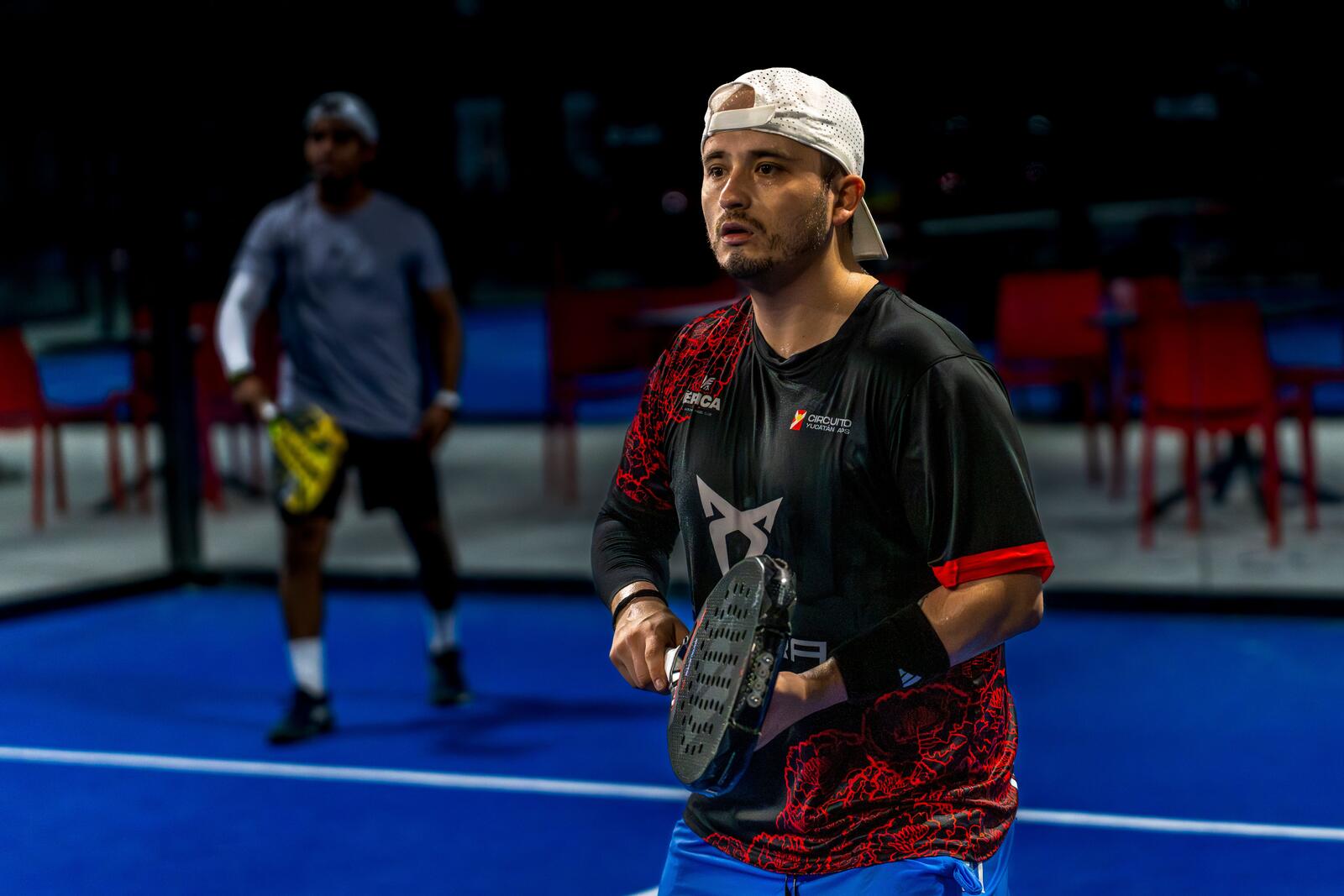
There aren’t many sports where an old Staples, a warehouse and a former tyre wholesaler can all become part of the business plan. Padel is proving to be one of them, with courts popping up inside buildings that were never designed for sport in the first place.
Operators can take a large empty unit, fit it with courts and then add cafés, gyms, coaching and other facilities around them. With bookings, access and even match recordings handled by technology, the venue can keep ticking along for much of the day without needing a huge staff presence.
Why Padel Works In Spaces Other Businesses Leave Behind
A standard padel court only measures 20 metres by 10 metres, clearly smaller than a full tennis court. The Lawn Tennis Association also recommends clear space around the court for access and movement, while indoor venues need a minimum clear height of 6 metres above the playing area, with 8 metres recommended for new facilities.
Mercer Street in Preston shows how that can work with a building that is already there. A ten-court venue was approved across two vacant units at Fishwick Park, with the buildings being joined together to create the facility. The plans include a viewing area, gym space and café, with opening hours from 6am to midnight, seven days a week. Instead of sitting empty, the two units can now accommodate courts alongside the other parts of the business.
Game4Padel Glasgow is doing something similar at a former industrial unit on Borron Street in Port Dundas. The four-court venue has been approved with a café, shop, lockers and spectator seating, while a warehouse on Dolly Lane in Leeds has also been approved for padel courts alongside a Pilates studio and bar. It makes sense for operators too, because people aren’t necessarily going to play their match and immediately leave – I know I’d happily sit down with a cold drink after a good game. Those extra spaces give them somewhere to do that while creating another source of income.
More from Business
- What Is Germany Doing To Attract More Businesses?
- Top Luxury-Tech And Commerce Startups In France To Watch In 2027
- What Is The Netherlands Doing To Attract More Entrepreneurs?
- Quite Contrary: Most GEO Advice Is Just Repackaged SEO, According To Harpal Singh
- Your Startup Just Made Its First Hire From Overseas; Here Is The Part No One Warns Founders About
- Meta Edges Closer To A $2 Trillion Market Cap: What’s The Difference Between Market Cap And Market Value?
- What Is Video SEO 2.0 – And Why Does It Matter Now?
- How The UAE Government Encourages Entrepreneurs To Start Businesses
The Business Model Goes Beyond Court Bookings
Court hire is still mainly what brings people there in the first place, but it doesn’t have to be the only thing they spend money on. The Glasgow venue includes a café and shop, the former tyre-wholesaler unit in Bamber Bridge has been proposed for four indoor courts with a café and fitness studio, while the Leeds venue adds a Pilates studio and bar. Coaching, leagues, tournaments, equipment hire and social events give operators more ways to make money from the same space.
The 2026 Global Padel Report from Playtomic and Strategy& puts average peak-time occupancy at around 85% for the UK commercial clubs in its sample. The quieter periods are harder to fill, so morning coaching, afternoon open matches or corporate bookings can give people another reason to use the venue.
That can make a difference to how much each court earns across the week. The same court might host a coaching session in the morning, an open match in the afternoon and regular bookings after work, with leagues and tournaments taking up more of the weekend.
Technology Is Making Padel Easier To Run
A venue that opens from 6am until midnight doesn’t necessarily need someone at reception for every booking. Booking systems can handle reservations and payments, while connected locks and lighting can take care of some of the practical jobs. TieManager, for example, connects bookings with smart locks and court lights, with access codes generated after a booking has been confirmed and paid.
The software also gives operators a better idea of how their courts are being used. TieManager provides court utilisation data, while Playtomic handles bookings, payments and player activity. That information shows clubs which periods are quieter, giving them something to work with when setting prices or adding coaching and events.
Video is another piece of the technology. PlaySight’s padel system uses cameras to record matches, create highlights and produce match statistics, with its platform also able to integrate with court reservation systems. At Flyte Racquet Club, for example, a booking made through the club’s reservation platform automatically triggers a PlaySight recording, so players don’t have to set the system up themselves.
Why Developers Are Paying Attention
Frasers Group has taken a slightly different route by using property it already owns. Slazenger Padel’s Exeter venue occupies a 35,000 square foot retail unit at Haven Banks Retail Park and is the group’s fourth UK club after Leeds, Swindon and Blackburn. The company is targeting ten clubs and 150 courts, using large existing units that already have parking and established visitor traffic.
For landlords, that creates another possible use for large retail and warehouse spaces. A vacant unit probably already has the size, access, ceiling height and parking needed for an indoor sports facility, while a café, bar or fitness studio can give people another reason to spend money there.
But Filling A Court Doesn’t Guarantee A Profitable Business
High demand at 6pm doesn’t automatically make a venue profitable. Oxygen Consulting’s 2026 UK Padel Report found that the nine largest chargeable UK operators had a median peak-time price of £42 per court hour, while its player research found a lower acceptable value range of approximately £18 to £28 for weekday evening indoor court bookings. Those figures are player value benchmarks, not recommended prices.
Rent, energy, maintenance and other running costs continue outside the evening rush, so operators need to make more than the busiest few hours pay. That is why coaching, memberships, leagues, events and other facilities become useful alongside standard court bookings.
Competition can also change the numbers quickly. Niclas Rodin, chief executive of Stockholm-based Slazenger AB, told The Padel Paper that Sweden built up an unusually high concentration of courts, including around 200 within ten minutes of his home in Stockholm. He said off-peak courts became harder to fill after people returned to offices following the pandemic.
The UK isn’t in the same position as Sweden, but the example shows why adding courts isn’t enough on its own. Location, pricing and how a venue uses its space throughout the week can make a big difference to whether the numbers work.
From Empty Space To A Revenue Stream
Honestly, I quite like the idea of a sport turning forgotten retail and industrial spaces into places people actually want to spend time in. A former Staples becoming a ten-court padel venue is a much better use of an empty building than leaving it to gather dust, and the cafés, gyms and social spaces make it feel like more than somewhere you turn up, play and leave.
Padel also gives these big empty units a bit of a second life. If operators can keep courts busy across the day and make the space work beyond the evening rush, there could be plenty more warehouses, retail parks and vacant commercial units finding a new lease of life.


