


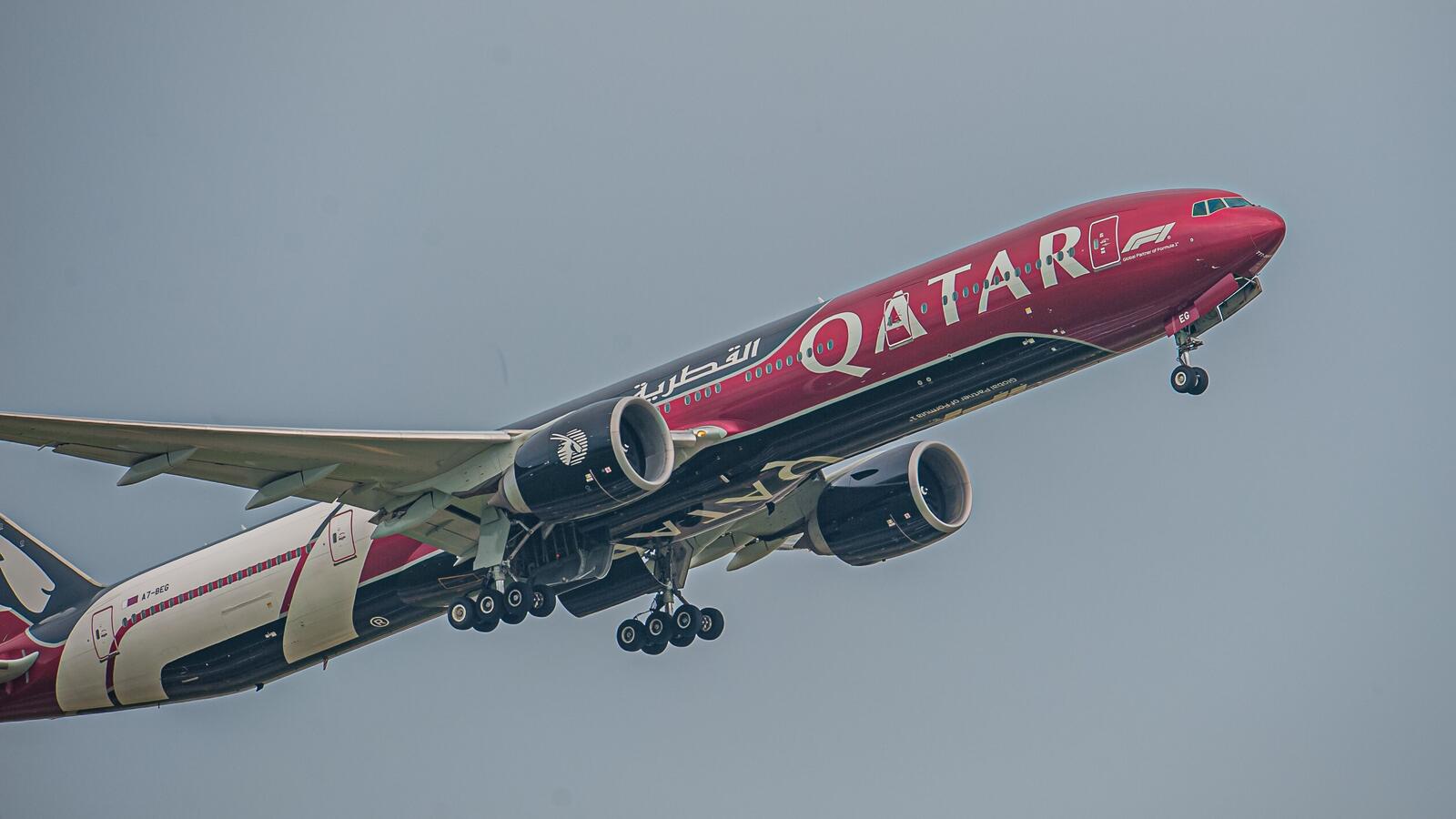
Formula 1 is a sport where the cars fly and the garage walls take the boat. Cars, engines and broadcast equipment need to reach circuits quickly, while garage structures and hospitality equipment can spend weeks at sea. With races spread across continents, DHL has to keep several shipments moving at once, often sending equipment towards the next event before the current one has even started.
In 2026, that planning faced an additional complication when the Bahrain and Saudi Arabian Grands Prix were cancelled from the April calendar, followed by an agreement to hold the Bahrain Grand Prix at Malaysia’s Sepang International Circuit in October. Suddenly, the destination had changed, but the deadline had not.
The Race Starts A Year Before The Lights Go Out
DHL, Formula 1’s official logistics partner, begins planning for the season roughly a year in advance. Its published figures put the freight requirement at up to 1,200 metric tonnes per Grand Prix, covering everything from cars and engines to broadcast technology and hospitality facilities.
Teams use several sets of equipment on separate shipping rotations rather than waiting for the same garage structures to circle the globe after every event. DHL’s Paul Fowler explained in 2022 that teams had five sets, with some moving towards six as the calendar expanded.
One shipment might be travelling towards China while another heads from Japan to Singapore. The sets leapfrog one another around the calendar, allowing equipment to be unpacked at one circuit while the next shipment is already on its way.
It’s a supply chain built around a moving deadline: the race weekend cannot wait for the furniture to arrive.
More from Tech
- Top Physical AI And Industrial Robotics Startups In Japan To Watch In 2027
- AI Can Now Build A Free Adobe Rival – So Why Can’t It Open Files?
- How Modern Rendering Solutions Fit Into Creative Pipelines
- Women In Tech Week: AI Has Become A Career Skill – So Why Are Fewer Women Using It?
- Same Car, Different Driver: The Tech Behind F1’s Custom Set-Ups
- From Web3 Hype To Commercial Advantage: How The Next Phase Of Emerging Technology Will Be Won
- Who Controls The Thermal Skies? The Security And Privacy Questions Behind SatVu’s New Satellite
- The Drone Technology Helping Farmers Cover More Ground In Less Time
Planes For The Cars, Boats For The Garage Walls
Air freight carries cars, engines, race-critical technology and broadcast equipment. These items need to be available for the next event, making aircraft the practical choice despite their higher cost.
Garage structures, hospitality equipment and other items that can be prepared in advance generally travel by sea. Using separate sets means teams can have equipment at several destinations without flying every wall, workbench and piece of furniture around the world.
Road freight connects the system, moving cargo between airports, ports and circuits, as well as between nearby European races. But even a short journey can be complicated. Monaco’s narrow streets and restricted access make deliveries more difficult than a straightforward trip between open circuit facilities.
The transport decision comes down to urgency, cost and how easily equipment can reach its final destination.
The Chequered Flag Starts Another Race
Once the cars finish, the paddock becomes a packing operation. Equipment is dismantled, checked and dispatched, with some freight packed before the chequered flag so crews can start moving it as soon as possible.
Back-to-back races leave little room for delays, especially when the next destination is on another continent. The freight team is working to a deadline set by the next practice session, not the previous race’s finish.
That pressure became clear at the 2022 Australian Grand Prix, when delayed sea freight threatened to leave three teams without equipment for the event.
When The Ship Is Late And The Race Is Not
A ship carrying equipment for three teams was delayed on its journey to Melbourne. The shipment had been expected to take 42 days, but further delays threatened its arrival ahead of the Australian Grand Prix.
DHL responded by transferring the cargo in Singapore and flying it to Australia. Paul Fowler travelled to Singapore to oversee the operation, and the equipment was loaded onto two Boeing 777s and a Boeing 767-300. The cargo reached Melbourne on the Monday of race week.
The rescue mission avoided a potentially serious problem, but it came at a price. Fowler described the shipping market at the time as a bidding war, reporting that container rates for a Europe-to-Asia-and-back journey had risen from around $900 to $20,000.
Sea freight is cheaper when everything runs to plan. When it does not, the alternative may be paying for aircraft at the last minute.
When The Calendar Changes, The Freight Has To Follow
The 2026 season presented a different challenge. Formula 1 confirmed in March that the Bahrain and Saudi Arabian Grands Prix would not take place as scheduled in April because of the situation in the Middle East.
Formula 1 and the FIA later announced that Malaysia’s Sepang International Circuit would host the Bahrain Grand Prix from 2 to 4 October. The event retained its Bahrain Grand Prix identity despite taking place in Malaysia.
The change placed the race between Azerbaijan and Singapore, creating a Baku–Sepang–Singapore triple-header. DHL had to account for a different destination and a revised sequence of journeys, with freight schedules adjusted around the new location.
Planning a season a year ahead helps, but it cannot account for every disruption. The operation also needs the flexibility to redirect equipment when the calendar changes.
Putting Formula 1 On A Train
In May 2026, DHL announced a rail-freight trial between Miami and Montreal, moving around 50 containers of Formula 1 equipment nearly 2000 kilometres. The shipment included 46 forty-foot containers and four twenty-foot containers.
According to DHL, around 68% of the freight it handled on that leg that would normally have travelled by road was shifted to rail. Tracking devices and shock sensors monitored the containers during transit.
DHL said the shipment arrived successfully, and the company and Formula 1 are considering whether rail freight could be expanded in North America from 2027. The trial forms part of efforts to reduce the environmental impact of moving equipment around the championship.
There Is No Podium For The Freight Team
When the lights go out (and away we go to the next race), the freight team has already done its job. No champagne, no trophies, just thousands of tonnes of equipment in the right place at the right time. In Formula 1, the best logistics operation is the one nobody notices.


