


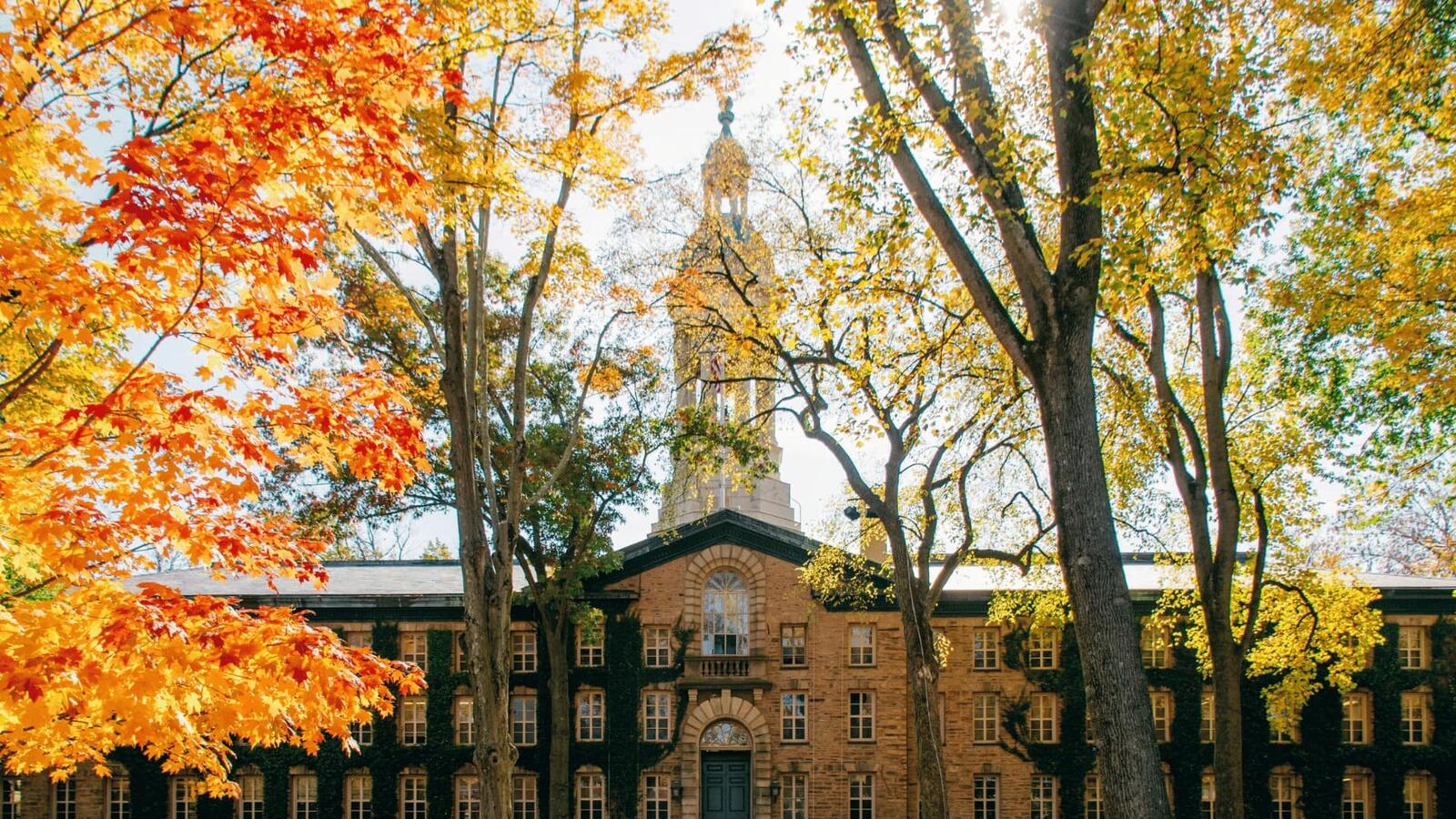
Princeton is the fourth oldest university in the United States, founded in 1746 in New Jersey. The campus feels quintessentially American and almost like a film set at the same time. If you had to stroll through it on a crisp autumn afternoon, you’d almost expect someone to stop and recite poetry to you.
While it looks like something out of a postcard with its Gothic architecture, the institution has undoubtedly one of the most formidable intellectual legacies out there. Alumni and faculty alike have racked up numerous Nobel prizes and a decent handful of Fields medals, with two US presidents.
Plenty of graduates have gone on to build companies on Wall Street as well as category-defining businesses that have changed how entire industries work.
The Princeton Startup Scene At A Glance
The Keller Centre sits at the heart of Princeton’s entrepreneurial environment running the Tiger Challenge, a multi-semester social innovation programme that guides students through human-centred design thinking to tackle complex societal issues.
Then you’ve got eLab, Princeton’s summer accelerator, which takes a bunch of student startups and gives them funding, mentorship and a summer in Princeton to see if the idea can be taken to the next step. Some of it is funded by the Alumni Entrepreneurs Fund.
Given that New York is a short distance away, the university has really leaned into connecting with its alumni base there. It means that a lot of Princeton founders have ended up choosing to build in the city while still keeping one foot on campus.
8 Princeton Alumni That Founded Startups
Princeton has produced enough founders to fill a small book so this is by no means an exhaustive list, it simply couldn’t be. What it is, though, is a varied range of entrepreneurs who have built across fintech, media, e-commerce and the kind of software that keeps the Internet running in the background (very much needed).
1. Jeff Bezos, Founder of Amazon
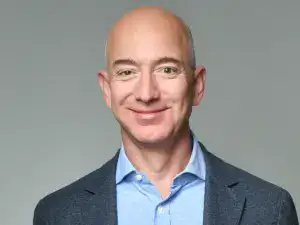
This is probably one of the most recognisable names on the list. Jeff Bezos studied electrical engineering and computer science at Princeton and graduated in 1986. He spent a couple years at a hedge fund before deciding he wanted to sell books online. Amazon was born in a Seattle garage in 1994.
From there, books became everything and everything became the everything store and Amazon eventually became one of the most valuable companies on the planet, with drones now taking on deliveries. Bezos stepped down at CEO a few years ago and now spends his time on Blue Origin and the Washington Post.
2. Meg Whitman, CEO of eBay
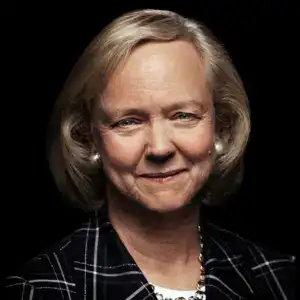
While Meg Whitman didn’t found eBay, she did take it from a quirky online auction site with a handful of employees to the global marketplace that it is today. She started as a Princeton undergrad, went to Harvard Business School and then built a career that will make you feel like you’re reading a tour of the Fortune 500.
She ran eBay for ten years then took it public, bought PayPal and built it into an e-commerce powerhouse. After eBay, Whitman ran HP, co-founded a short-form video platform called Quibi and has since served as the US ambassador to Kenya.
3. Eric Schmidt, CEO of Novell and Google
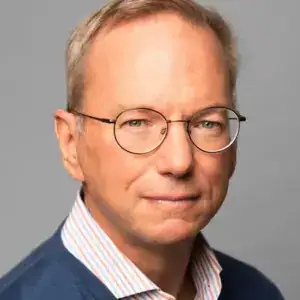
Eric Schmidt studied his electrical engineering degree at Princeton before completing his PhD at Berkeley. He served as the Chief Technology Officer at Sun Microsystems, became the CEO of Novell and then spent a decade as the CEO of Google, shaping the company into the global giant that we know today.
Since then, he has founded Schmidt Futures, which invests in talent and science policy and he remains a recognised voice in the AI regulation and national security space.
More from Startups
- Singapore Vs. London: Which Is Better For Building A Tech Startup?
- Why Is France Becoming A Magnet For Entrepreneurs?
- Meet The Startups Crowdfunding w/c 02.11.2026
- Top Robotics And Embodied AI Startups In China To Watch In 2027
- Founder Of The Week: Alex de Vigan
- Startup of the Week: Jiva.ai
- Top Deep Tech Startups In Singapore To Watch In 2027
- Could Currency Volatility Change Where UK Startups Choose To Expand?
4. Lisa Sugar, Co-founder of PopSugar

Lisa Sugar studied psychology at Princeton and worked in the ad industry before starting a blog in her apartment in 2005. Called PopSugar, it covered celebrity culture, fashion and lifestyle with a cheerful, chatty nature. Her husband Brian joined her and they built Sugar Inc., a media company with a shopping arm that eventually merged with Group Nine Media.
PopSugar is still one of the biggest women’s lifestyle media properties and Lisa has written a book on finding your passion, while staying the public face of the brand for over twenty years. PopSugar essentially wrote the playbook for modern lifestyle media, if you think about it.
5. Wendy Kopp, Former CEO of Teach For America
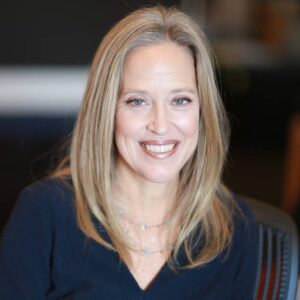
Teach For America is probably one of the most influential organisations started by anyone of Wendy Kopp’s generation – and she built it from a senior thesis at Princeton. It proposed recruiting recent college graduates to teach in under-resourced schools for two years.
After graduating in 1989, the money was raised and the teachers were in the classrooms by 1990. Since then, Teach For America has placed tens of thousands of teachers across the country and sparked a global movement called Teach For All, which is now run by Kopp herself.
6. Zacharia Reitano, CEO of Ro
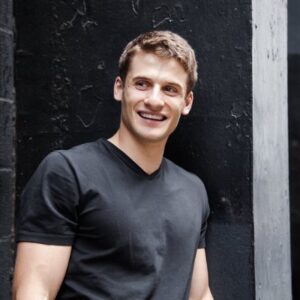
Zacharia Reitano is the co-founder of Ro, a direct-to-consumer healthcare company. It began as Roman, selling erectile dysfunction treatments online with a destigmatising approach to men’s health and then expanded into weight loss, hair loss and fertility.
Since the pandemic, things accelerated quickly and the company has now become a big name in the telehealth space, raising huge amounts of venture capital and transforming how a lot of people access routine medical care.
7. Scott McNealy, Co-founder of Sun Microsystems
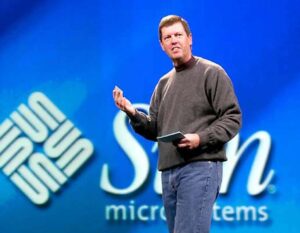
Scott McNealy studied economics at Princeton and graduated in the late 70s and co-founded Sun Microsystems in 1982 with a couple of Stanford classmates. It became one of the defining companies of the Internet boom, building the servers and software that ran most of the early web including Java, which is still widely used.
McNealy served as CEO for more than twenty years and famously said “you have zero privacy anyway, get over it” back in 1999. It’s either deeply prophetic or deeply alarming, depending on your view.
8. John Katzman, Founder of 2U and Noodle
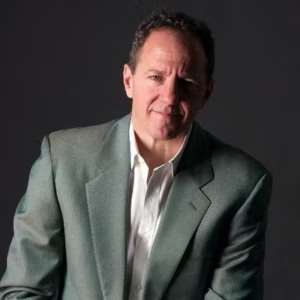
John Katzman started The Princeton Review out of his dorm room in 1981 that eventually went public. He sold it and co-founded 2U which pioneered online degree programmes with major universities. It later became a multi billion dollar education technology business.
Katzman then launched Noodle which does something similar but with a slightly different model. Building three companies over three decades, his career spans the entire history of edtech.


