


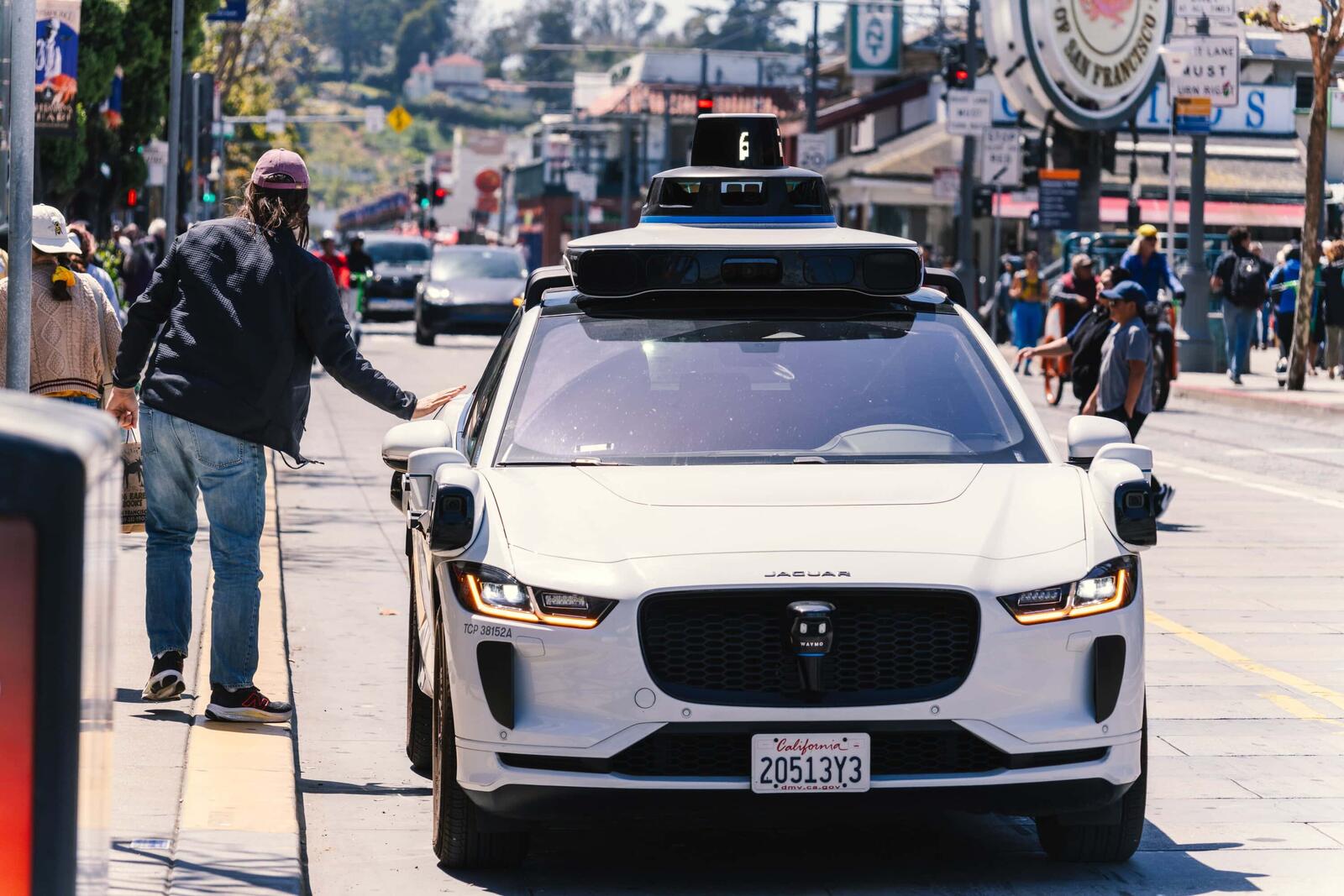
Waymo’s robotaxis carry paying passengers around several US cities without anyone at the wheel, but their encounters with stopped school buses have exposed a problem that a software update was meant to solve. Last December, the company recalled its driverless software after its cars were reported passing stopped buses, and it says the corrected version was on every affected vehicle weeks before the recall was filed.
On 9 November, the US National Highway Traffic Safety Administration (NHTSA) announced a recall query covering 2 895 Waymo vehicles. This is the regulator’s way of asking whether a fix that’s already been installed actually did what it was supposed to. That comes despite a July safety study finding that Waymo’s driverless cars were involved in fewer crashes per mile than human drivers. The update was supposed to settle the issue, but regulators are still looking into what happened afterwards.
The School Bus Problem That Started It All
According to Waymo’s recall filing with NHTSA, its vehicles could stop for a school bus with its red lights flashing or its stop arm out and then drive off again before the bus had switched the lights off or folded the arm back in. The filing covers 3 067 vehicles running the company’s fifth-generation driving software, reports no collisions and says Waymo knew of 12 citations tied to the behaviour, all between 25 September and 14 November 2025.
The cars weren’t oblivious to the buses. They had seen them, slowed down or stopped and then decided to move again. NHTSA had opened a preliminary investigation in October 2025 after reports of robotaxis ignoring school bus signals, so the behaviour was already on regulators’ radar before Waymo announced its recall.
More from News
- Uh Oh, Elon, Texas Just Turned Blue. Will Tesla Hit The Road Again, Or Will Big Tech Have To Adapt?
- Huntress Offers Breached Businesses 60 Days Of Free Protection To Stop Hackers Coming Back
- Finite State Raises $27 Million To Help Device Makers Fight ‘Vulnpocalypse’ With AI-Powered Product Security
- The EU’s Digital Fairness Act Wants To Take On Online Manipulation And AI – What Would Change For Consumers?
- Three Companies, Three Chinese AI Models – What Do Revolut, Airbnb And DoorDash Have In Common?
- Nvidia, Jensen Huang And A Potential Below-The-Belt Security Scandal: Are We Equating Tabloid Fodder With Genuine Corporate Risk?
- Sanctioned At Home: A New Raw Docuseries, Forensically Dissecting The West’s Most Destructive Policy Weapon
- The Democrats Have Taken Congress. What Does This Mean For America’s Startups And SMEs?
What Went Wrong With Waymo’s Software?
Waymo’s recall filing explains that its software could prioritise avoiding obstructing other vehicles over remaining stopped for a school bus. In certain situations, a robotaxi that had stopped for a bus could decide it was getting in the way of another vehicle and move off, even while the bus’s warning lights were still flashing or its stop arm remained extended.
It’s a bit like apologising for standing in a doorway by leaving the building.
Waymo’s software remedy began rolling out on 5 November 2025, with the company saying it had reached every affected vehicle by 17 November. The update was designed to prevent the system from prioritising the movement of other vehicles over staying stopped for a school bus displaying its warning signals.
The Software Was Updated, So Why Is NHTSA Investigating Again?
According to Reuters, NHTSA is reviewing whether the update adequately dealt with the defect and will also investigate what caused the incidents that followed it. The agency found that a majority of the reported incidents happened after the remedy date of 17 November 2025, despite Waymo saying the update had reached every affected vehicle.
Waymo says it has made significant improvements to its vehicles’ behaviour around school buses and hasn’t received a citation since March 2026. The company has also said it will respond to NHTSA’s query. A recall query is an investigation, not a final finding that the software fix failed. That’s what regulators are now trying to establish.
The January incident in Austin shows how complicated these situations can become. At about 7.55am on 12 January 2026, according to the National Transportation Safety Board’s (NTSB) preliminary report, a Waymo vehicle stopped for a school bus with its stop arms extended and then sent a prompt to a remote assistance agent asking, “is this a school bus with active signals?”
After another vehicle drove past the bus, the agent, based in Novi, Michigan, replied that it wasn’t. The Waymo then resumed travelling and passed the bus while its stop arms were still extended. Six vehicles passed the bus in total.
So the robotaxi had effectively phoned a friend and been told no. The incident raises questions about the relationship between autonomous driving software and the people providing remote assistance when a vehicle needs additional information.
The NTSB defines remote assistance as information or advice given to a vehicle by a remotely located human. The NTSB is still investigating the incident and has yet to determine its probable cause.
Are Robotaxis Really Ready For The Road?
A software problem can affect more than one vehicle. A human driver who misjudges a school bus makes an individual mistake, whereas a software behaviour can potentially be repeated across an entire fleet running the same release. That’s why the original recall covered 3 067 vehicles at once.
Software updates allow manufacturers to correct problems remotely, without taking every vehicle into a workshop. Waymo says its fix was installed across the affected fleet before the recall was filed, but confirming that an update has been installed is different from establishing that it works in real-world traffic.
None of this means the cars are reckless. A July 2026 study from the Insurance Institute for Highway Safety (IIHS) found that Waymo’s driverless vehicles were involved in 68% fewer police-reportable crashes per mile than human drivers across San Francisco, Phoenix, Los Angeles and Austin. Austin was the exception, with a crash involvement rate 4% higher than human drivers, although the researchers noted that the sample size there was relatively small.
The study measured police-reportable crash involvement rather than traffic-rule violations, so a car can have a strong crash record and still do something a school bus driver would be furious about. The researchers also warned that current data collection isn’t good enough to monitor the safety of autonomous vehicles as their use expands.
Waymo has plenty of evidence that its cars can drive, but regulators are still examining whether one specific software correction worked as intended. NHTSA’s investigation will help establish whether the original remedy was adequate and what caused the reports that followed it.
For now, the next school bus to pull up with its stop arm out will have a lot more people watching what the car behind it does.


