


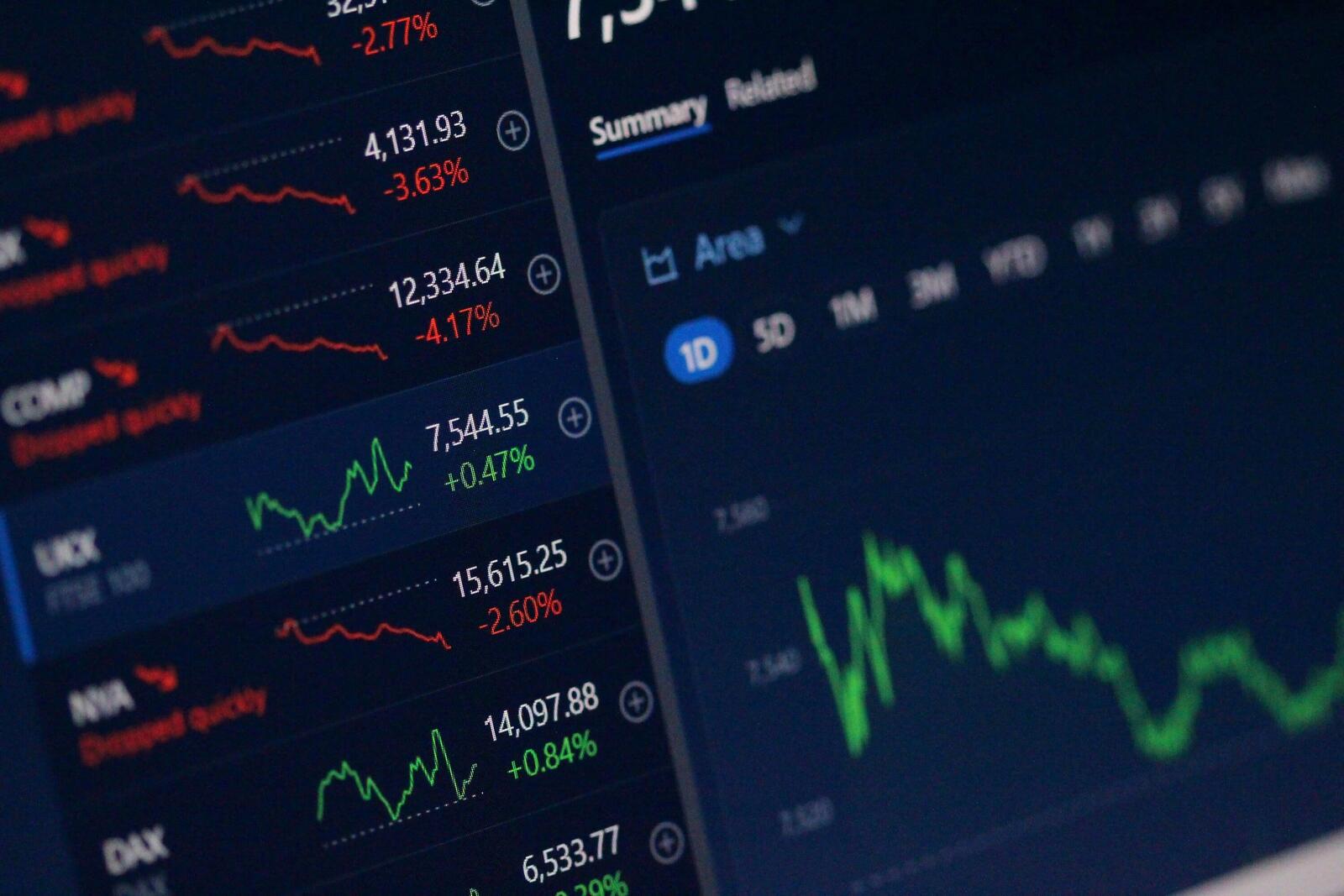
When news broke that Nvidia had brought Jensen Huang back as CEO, the company’s shares surged – an unsurprising outcome, given the public reaction to the situation. But it wasn’t just Nvidia investors who had their interest piqued at this point. A series of unusually well-timed bets on the prediction market Polymarket also attracted scrutiny, with some accounts reportedly making hundreds of thousands of dollars by wagering on Huang’s return before the announcement.
A tremendously lucky bet; right place, right time, surely?
Unfortunately not. The story quickly became tangled up with Donald Trump, whose administration has been closely involved in Nvidia-related decisions, and even his puppet, Barron – sorry, I mean his son – who was named in viral claims that he had made millions from an Nvidia options trade. And even worse, this is far from the first time that Trump, his family and his friends have directly profited from situations just like this.
A troubling issue, beyond the obvious, is that there are many people who aren’t necessarily particularly shocked or horrified by these goings on, and I’d hedge a bet that it’s not because they don’t think it’s problematic; it’s possibly because they don’t completely understand the laws that have been (allegedly) broken, the intentionality behind these actions and the implications for everybody else.
So, we’d like to close that gap. What exactly is insider trading, how does it work and why is it such a problem for everyone else?
What Is Insider Trading?
Insider trading happens when someone uses confidential, price-sensitive information that isn’t available to the public to make financial trades or help someone else do so. Basically, it’s about having information that other investors don’t have and using it to get ahead of the market.
For example, imagine a senior employee at a technology company knows that their business is about to be acquired. The announcement hasn’t been made public yet, but they know the deal is likely to send the company’s share price soaring.
If they buy shares before the news breaks, they could make a substantial profit once the market reacts. Meanwhile, other investors are making decisions without knowing what’s coming. Essentially, it’s totally unfair, and this unequal playing field is at the heart of insider trading.
It isn’t limited to company executives, either. Employees, lawyers, accountants, investors and anyone else who gets access to confidential information could potentially be involved in something like this. Someone who receives a tip-off and trades on it can also get caught up in insider trading.
How Does Insider Trading Happen?
It can happen in a few different ways, but the common thread is access to information that hasn’t been made public. Sometimes, it’s a company insider that uses knowledge of an upcoming merger, financial results or major business announcement to buy or sell shares. But in other cases, confidential information is passed to friends, family members or business associates who then trade on it.
It can also happen around government decisions, as we’ve clearly seen throughout Donald Trump’s presidency. A person who knows about an upcoming policy announcement, for example, could potentially use that information to bet on how financial markets will react. This is becoming particularly relevant as prediction markets such as Polymarket allow people to wager on everything from elections and economic announcements to geopolitical events and corporate decisions.
Here’s Why Insider Trading Is a Problem
At first glance, insider trading might sound like a way for someone clever to make money; someone with a little bit of skill and forethought, perhaps. But the problem is that they’re not playing on a level playing field, and it’s not really about being clever either.
Financial markets rely on investors making decisions using information that’s publicly available, so when someone has access to confidential information and uses it to trade, they’re effectively getting a head start that other people simply don’t have. The consequence is that this can leave ordinary investors at a disadvantage. Someone might buy shares without knowing that bad news is about to be announced, while an insider has already sold theirs. Or, an investor might sell too early because they don’t know about a major development that’s about to push a company’s value upwards.
The consequences go beyond individual investors, because if people start believing that markets are rigged in favour of those with the right connections, confidence in the financial system can take a serious hit.
Can You Get Caught for Insider Trading?
Regulators in markets like the US and UK monitor trading activity for unusual patterns, including transactions that take place shortly before major announcements. They can investigate exactly who was involved, whether confidential information was shared and whether trades were made on the basis of that information. Depending on the circumstances and jurisdiction, insider trading can result in substantial fines, criminal charges and even prison sentences. Suffice to say, it’s not a small offence.
And with more financial activity taking place through online platforms and prediction markets, monitoring suspicious behaviour is becoming increasingly complicated, but it’s still very much possible. Because insider trading isn’t simply about someone making a lucky investment or correctly predicting what a company or government might do next. It’s about using information that other people don’t have to gain an unfair financial advantage and cheat the system. And when that happens, the people left picking up the bill can be everyone else, while the rich continue to get richer.


