


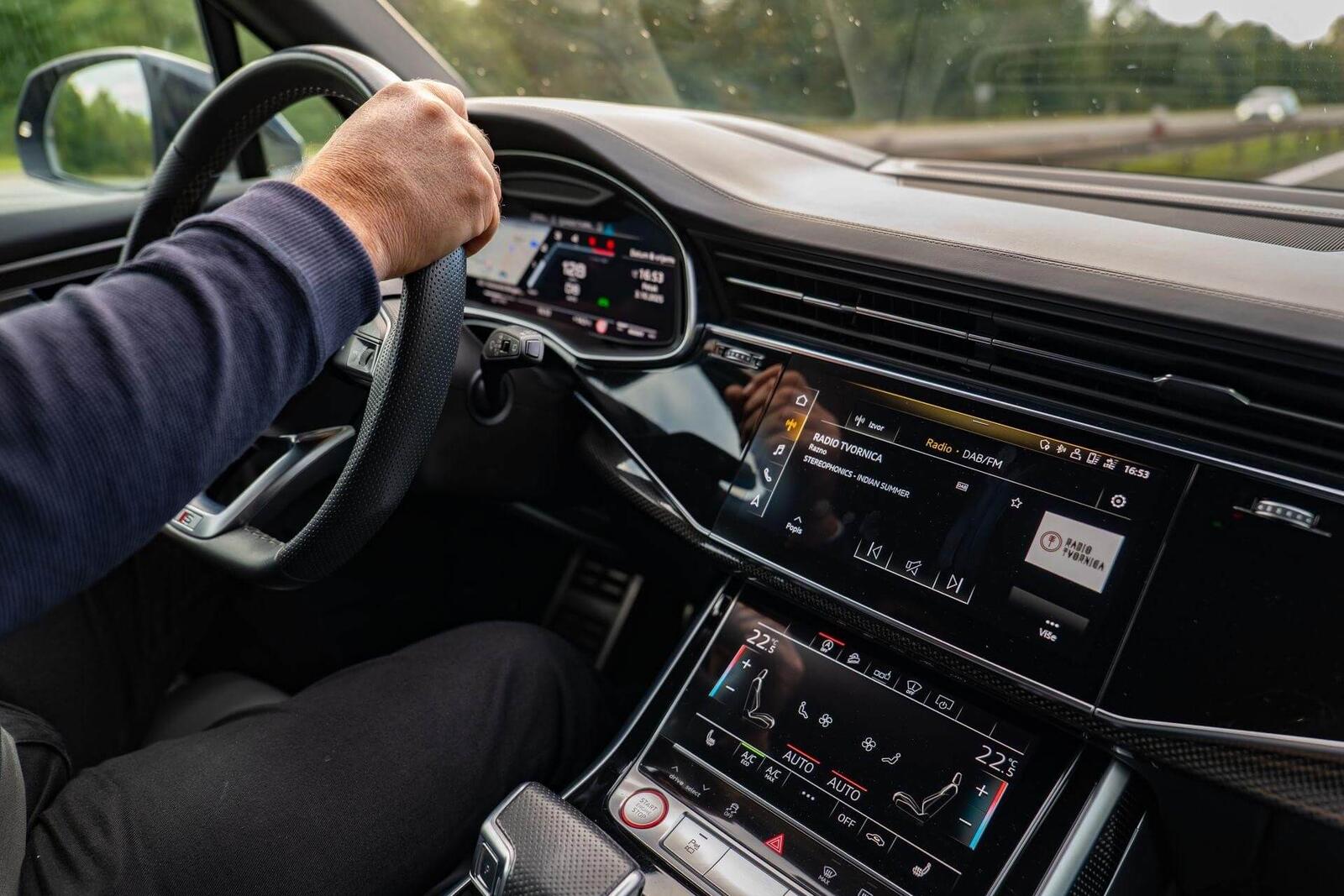
Personal transportation has changed considerably over the past decade. Electric cars have become more familiar, e-bikes have moved into the mainstream, and smaller electric vehicles are attracting attention from people looking for different ways to travel.
Behind this shift is a combination of technological developments. Better batteries, more efficient motors, lighter materials and increasingly accessible digital features are changing what personal mobility devices can offer.
However, the next stage of this market will depend on more than simply making vehicles faster or extending their advertised range. Reliability, safety, affordability and the ability to fit into everyday life will all influence which technologies gain wider acceptance.
Battery Technology Is Central To The Next Stage Of Mobility
Battery performance remains one of the biggest factors shaping electric transportation.
For consumers, battery capacity often appears as a simple range figure. In practice, the distance a vehicle can travel depends on several variables, including rider weight, speed, terrain, temperature and how frequently the motor is required to work hard.
Battery management systems are therefore becoming increasingly important. They monitor factors such as voltage, temperature and charging conditions, helping manage battery performance and protect against certain operating risks.
There is also growing attention on battery durability and replacement. A vehicle may look affordable at the point of purchase, but the availability and cost of replacement batteries can influence its value over several years.
As the market develops, consumers are likely to pay closer attention to battery quality, charging requirements and long-term support rather than relying on maximum range claims alone.
Smaller Electric Vehicles Are Becoming More Diverse
Electric mobility is no longer limited to cars and bicycles. Manufacturers are developing a wider selection of compact vehicles for different users and environments.
An electric scooter, for example, can come in several configurations, from lightweight folding designs to models with larger batteries, additional suspension or more powerful motors. These differences reflect the variety of requirements within the personal mobility market.
Some consumers prioritise portability and storage. Others place greater importance on battery range, load capacity or comfort over uneven surfaces.
This growing variety also changes the buying process. Rather than looking for one model that claims to do everything, consumers need to understand which features actually matter for their intended use.
The same pattern can be seen in the wider automotive industry, where vehicles are increasingly differentiated by their software, powertrain, battery configuration and intended driving environment.
Software Is Becoming Part Of The Vehicle Experience
The development of electric mobility is not just a mechanical story.
Digital features are playing a growing role in how people interact with their vehicles. Depending on the model, connected applications and onboard displays can provide information about battery levels, riding modes, speed and maintenance.
These features can make it easier for users to understand how their vehicle is performing. They may also help manufacturers identify common problems and improve future product designs.
However, connectivity should serve a practical purpose. A well-designed display that provides clear battery and riding information can be more useful than an application filled with features that most owners rarely use.
There is also a question of software support. Consumers should consider whether an application is maintained, whether essential functions remain available without a smartphone and how personal data is handled.
As more transport products become connected, these considerations will become increasingly relevant.
More from Tech
- Top Cleantech And Energy Startups In Sweden To Watch In 2027
- Harmless Escape Or Real-Life Cost? The Gaming Debate GTA VI Just Reignited
- UrbanTech Explained: Technologies Changing The Way Cities Work
- Can LEGO Make Imagination Programmable? The Classic Toy Gets A Digital Makeover
- A 167-Year-Old Maths Problem Has Reportedly Been Proven With AI: Why Are Tech Leaders Now Talking About Superintelligence?
- How Automotive Technology Is Powering The Japanese Car Industry
- 6 Pieces Of Black Mirror Tech You Probably Didn’t Know Already Exist
- F1 Team Radio Channels Are Becoming A Searchable Intelligence Network
Safety Needs to Develop Alongside Performance
Higher motor output and larger batteries can increase a vehicle’s capabilities, but they also place greater importance on the supporting components.
Braking systems, tyres, suspension, lighting and frame construction all contribute to how a vehicle behaves. A powerful motor alone says very little about the overall quality of the riding experience.
Battery safety deserves particular attention. Lithium-ion batteries are widely used in portable electronics and electric vehicles, but damaged or poorly handled batteries can create fire risks.
Consumers should buy from reputable retailers, use the supplied or manufacturer-approved charger and follow the recommended charging and storage instructions. Batteries should also be checked for visible damage, swelling or unusual heat.
Manufacturers have a role to play here as well. Clear instructions, accessible customer support and the availability of genuine replacement components can make a meaningful difference to long-term ownership.
Regulation Will Influence How Quickly The Market Grows
Technology can develop quickly, but transport regulation often takes longer to adapt.
Electric scooters provide a good example of this challenge in the UK.
Although privately owned models are available to purchase, they cannot currently be ridden on public roads, pavements or cycle lanes. Their use is limited to private land with the landowner’s permission. Public-road use is permitted for qualifying rental scooters operating within authorised trial schemes.
This distinction matters because consumers need to understand the legal position before purchasing a vehicle. A product’s technical capabilities do not automatically determine where it can legally be used.
For manufacturers and retailers, clear product information is equally important. Specifications, safety guidance and accurate descriptions of permitted use help customers make informed decisions.
As micromobility technology evolves, clearer and more consistent regulatory frameworks could help consumers understand which vehicles are suitable for different environments.
Repairability And After-Sales Support Could Become Competitive Advantages
The initial purchase price is only one part of owning an electric vehicle.
Tyres wear down, brake components need attention and batteries gradually lose capacity. Even a well-designed product may require maintenance over time.
This makes repairability an increasingly relevant consideration. Can common components be replaced? Are compatible spare parts available? Does the manufacturer provide clear maintenance instructions? Can customers contact a support team when something goes wrong?
These questions are particularly important for smaller electric vehicles, where a relatively minor component failure could otherwise make the entire product difficult to use.
Manufacturers that invest in product support and parts availability may have an advantage as consumers become more familiar with the long-term costs of electric mobility.
What Will Consumers Look For Next?
The personal mobility market is likely to become more segmented as technology and consumer expectations develop.
Some buyers will continue to prioritise affordability and simple operation. Others will look for longer battery range, more advanced suspension or connected features. Lightweight construction and convenient storage will remain important for people with limited space.
There is unlikely to be one specification that suits every user. The more useful approach is to compare a vehicle’s battery, motor, braking system, weight, dimensions and support arrangements against its intended purpose.
For manufacturers, the challenge is to make these differences understandable. Clear specifications and realistic performance information can help customers distinguish between genuine improvements and marketing claims.
A More Practical Approach to Personal Mobility
The future of personal electric transportation will be shaped by several technologies working together. Battery development, motor efficiency, software, safety systems and repairability all have a part to play.
But technological progress only becomes meaningful when it solves practical problems for the people using it.
A lighter vehicle is useful if it is easier to store. A larger battery matters if it provides dependable performance under realistic conditions. Connected features are valuable when they make ownership simpler and safer.
As the market matures, the most successful mobility products may be those that combine capable engineering with straightforward ownership. For consumers, understanding how the technology works will be just as important as comparing the headline specifications.


