


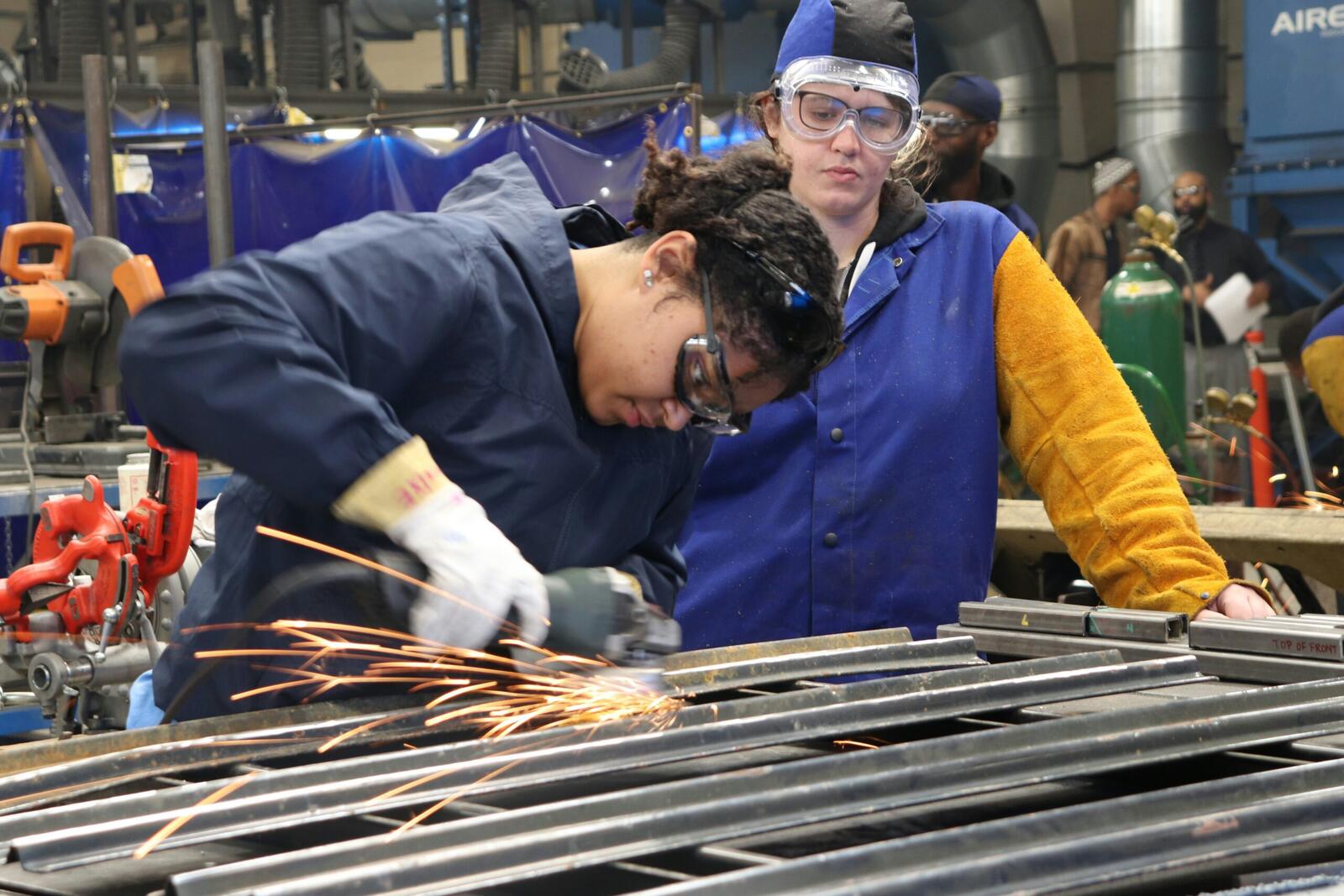
The Office for National Statistics once found that about 1.5 million jobs in England, or 7.4%, face a high risk of automation. These are mostly routine, rule-based tasks, but jobs that depend on manual skills aren’t so much at risk…
MyPerfectCV has listed 9 hands-on jobs that are expected to stay secure through 2026 and beyond. “Automation changes tasks more than it replaces whole jobs,” said Jasmine Escalera, career expert at MyPerfectCV.
“Roles that combine fine motor skills, problem-solving in unpredictable settings and real client interaction are proving remarkably durable. For many Britons, that means the trades and other hands-on careers offer stability, mobility and strong earning potential in 2026 and beyond.”
The 9 Jobs Least Likely to Be Automated
MyPerfectCV’s list looks at trades and people-centred work where machines struggle to compete. These jobs need technical skill, human judgement and adaptability. These are the professions and salary ranges…
- Electrician: £26,000 to £60,000+
- Plumber: £30,000 to £60,000+
- Carpenter/Joiner: £24,000 to £100,000+
- Bricklayer: £25,000 to £45,000+
- Automotive Mechanic: £22,000 to £42,000+
- Roofer: £21,000 to £40,000+
- Painter & Decorator: £19,000 to £35,000+
- Gardener & Landscaper: £19,500 to £35,000+
- Hairdresser/Barber: £19,000 to £60,000+
Why Do These Jobs Survive Automation?
Because many of these roles need fine motor skills that are extremely hard for robots to copy, there will always be room for them. Electricians and plumbers often work in tight or unpredictable spaces, needing flexible movement and improvisation. Machines can repeat programmed tasks, but they cannot easily deal with a century-old pipe system or a wiring fault in a crowded ceiling.
Tradespeople also solve problems in real time where every client and job site is different. A mechanic diagnosing an unusual engine problem or a carpenter adjusting to warped timber both need instinct and judgement that go beyond a machine’s programming.
More from Artificial Intelligence
- Proton’s Lumo AI Can Now Sort Your Inbox And Track Your Spending Without Training On Your Data
- EY, Deloitte, KPMG And PwC Are Racing To Put AI Agents On Audits While Training Staff To Doubt Them: What’s Going On?
- Why Is Open-Source AI Becoming One Of The Biggest Conversations In Tech?
- Can Europe Build Its Own Speech AI? Reson8 Is Giving Its Answer Away
- Has 2026 Been The Year We Finally Fell Out Of Love With AI?
- The Data Centre Dilemma: Can We Really Complain About Data Centres While Simultaneously Demanding More Of The Technology They Power?
- Why Are AI Companies So Interested In Giving Their Models Memory?
- What Are Small Language Models And How Are They Different From Large Language Models?
Personal connection is another reason these jobs endure. People prefer dealing with humans for many interactions because of trust and communication. Empathy, advice and reassurance make up much of these interactions. Machines cannot replicate that.
Of course, safety is also very important here. Construction workers, for example, take responsibility for decisions that affect lives. Even as tools improve, human oversight is still very important in hazardous settings.
How Is The UK Job Market Changing?
The UK’s shortage of skilled trades is already affecting productivity. MyPerfectCV estimates that the shortage could cost the economy tens of billions of pounds by 2030. Expanding apprenticeships, improving vocational education and using digital tools to support workers could help fill the gap.
The Tony Blair Institute’s 2024 report supports this, finding that AI mostly automates information-based office tasks rather than physical jobs. That means while white-collar work changes rapidly, hands-on careers are still steady.
Public opinion is also changing as more people now see vocational qualifications as equal in value to university degrees. With salaries and job satisfaction rising, trade careers are in turn gaining respect. Many workers in these fields report better work-life balance and a stronger sense of achievement.
Are Hands-On Careers Becoming More Respected?
After years of being viewed as less prestigious than academic work, trade careers are being reappraised. Skilled trades now have strong income potential and long-term stability. For younger people, they represent a way to earn well and gain independence without university debt.
Even the government is promoting this change through apprenticeship expansion and campaigns encouraging young people to learn practical skills. Many of these careers are also adopting modern tools such as digital diagnostics and assistive robotics, making work more efficient without replacing the worker.


