


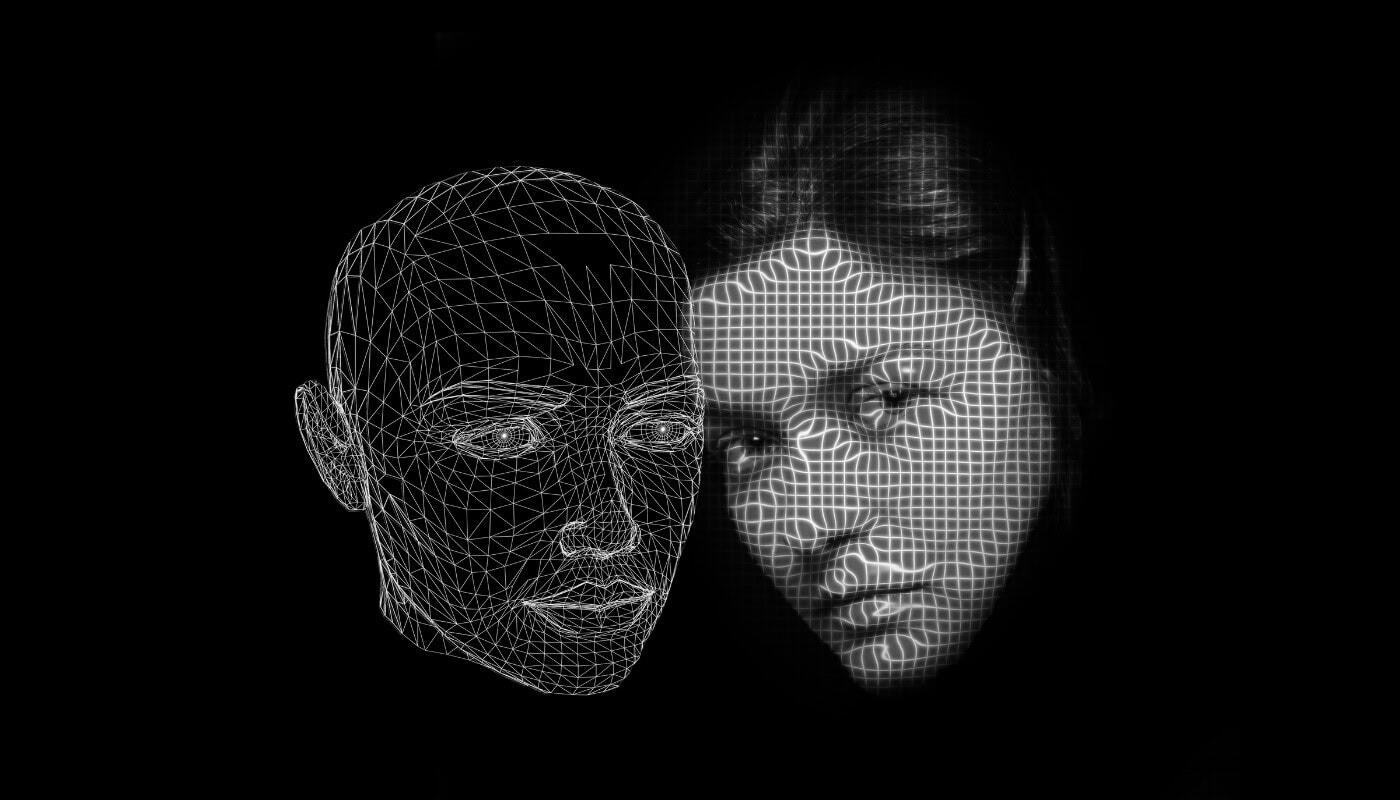
Somewhere in Shenzhen, a platform called ActID is running what amounts to a stock photo marketplace for human faces. Extras, retirees, students and models browse a catalogue, set their terms, upload their images and wait to be licensed. Producers on the other side filter by age, gender, appearance and archetype: “girl-next-door,” “rugged,” “supermodel.” When a deal is struck, the person’s face becomes source material for an AI-generated character. The individual never acts in the production, serving solely as the source of the baseline imagery.
This strategy is catching on elsewhere. ActID launched in Shenzhen in March 2026 and already has around 300 users who have agreed to license their likenesses, with roughly ten faces used in two AI drama productions so far. A competing platform, New Claw, operates out of Chengdu with a minimum price of 500 yuan, around $74, per image.
Fees range from $15 to $700 per arrangement depending on the face type, the permitted uses and the number of productions. China’s AI microdrama sector reached roughly 16.8 billion yuan in 2025, and more than 10,000 AI-generated microdramas have been released each month since early 2026. The market is large, it’s growing and it needs faces.
The Reality Of The Licensing Terms
Both services sell themselves as clear, legal alternatives to the rampant face swapping that has led to thousands of court disputes in China. The Guangzhou Internet Court alone has handled around 700 AI-related face-theft cases over the past three years. The platforms make a fair point, suggesting a licensed marketplace with clear terms improves on companies scraping public images without permission.
The real catch comes down to what those signed terms permit. Licensing contracts on these platforms have been reported as vague about duration, modification, reuse and who may ultimately access the likeness. Once facial data enters an AI system, controlling how that likeness is altered, reused or portrayed in the future becomes trickier. As one Beijing lawyer put it, people may lose long-term control of their biometric identity once their images enter these systems. ActID monitors the internet for unauthorised use and connects users with lawyers if needed. It can’t guarantee licensed photos won’t be collected illegally, used in unauthorised face swaps or included in future AI training data.
Saying yes to a contract is simple enough. Maintaining any real power over your digital face is where things fall apart. Signing an agreement satisfies the lawyers today, leaving you with little power over what comes next.
More from Artificial Intelligence
- What Is AI Inference?
- Is AI Making It Easier To Build A Startup, Or Just More Difficult To Stand Out? The Experts Weigh In
- Beyond Headcount: How AI Is Changing The Way Businesses Plan Their Workforces
- Can AI Weather Models Accurately Predict Extreme Events Like El Niño?
- AI Was Supposed to Replace Us. Could Originality Be the One Thing It Can’t Compete With?
- The AI Governance Gap: Why Global Agreements Mean Little Without Corporate Action
- The Best AI-Native Gateways For Developer-First Teams In 2026
- What Does A Planned US “Freeze AI” Walkout Say About Public Attitudes Towards Big Tech?
Digital Labour Or Digital Exploitation?
The core issue boils down to whether this counts as legitimate digital work or a new level of exploitation. Advocates for this setup claim that it’s simply superior to the present state of affairs: people are getting paid for something that was previously taken from them for free. Traditional drama production budgets are shrinking, luxury brands are shifting to AI-generated content, and the demand for human likenesses is there regardless of whether the marketplace exists. Better to have an organised system with pricing and legal agreements than a Wild West of unauthorised scraping.
On the other hand, sceptics draw attention to the uneven dynamic at play. The people selling tend to be non-specialists with limited legal literacy, signing contracts written by platforms with significant informational advantages. The people buying are producers and technology companies with legal teams. The pricing, particularly at the $15 end, reflects less a fair market rate for a biometric asset and more the desperation of people who don’t know what they’re giving away.
One retired person’s face appearing in an AI thriller at $15 an episode is a transaction. That same face appearing in an AI advertising campaign for a brand they find objectionable, under a clause they didn’t notice, is something else.
Will This Model Travel West?
From 2 August 2026, the EU AI Act will require companies to explicitly inform people whenever they are looking at realistic AI-generated clones or manipulated media. And the UK introduced a new offence in February 2026 criminalising the creation of non-consensual sexual or intimate images of adults, covering AI-generated deepfakes. Broader online safety reforms are being fast-tracked.
A Western equivalent of the ActID model would face substantially stricter legal scrutiny. Vague licensing terms that might pass in China’s current enforcement environment would face direct challenge under EU data protection law, GDPR’s biometric data provisions and the AI Act’s transparency requirements. The model, a marketplace where people monetise their likeness for AI production, isn’t inherently unlawful in Europe. The vague contracts and the loss-of-control problem very likely would be.
What the Chinese platforms have created is a preview of a market that will arrive in some form elsewhere. The demand for licensed human likenesses in AI content production is real and growing. The debate is whether Western legal policies will force that market to operate with the consent and transparency protections that the current Chinese version lacks. That’s a more interesting question than whether you’d rent your face for $15. The answer to that one is probably: not once you’ve read the contract.


