


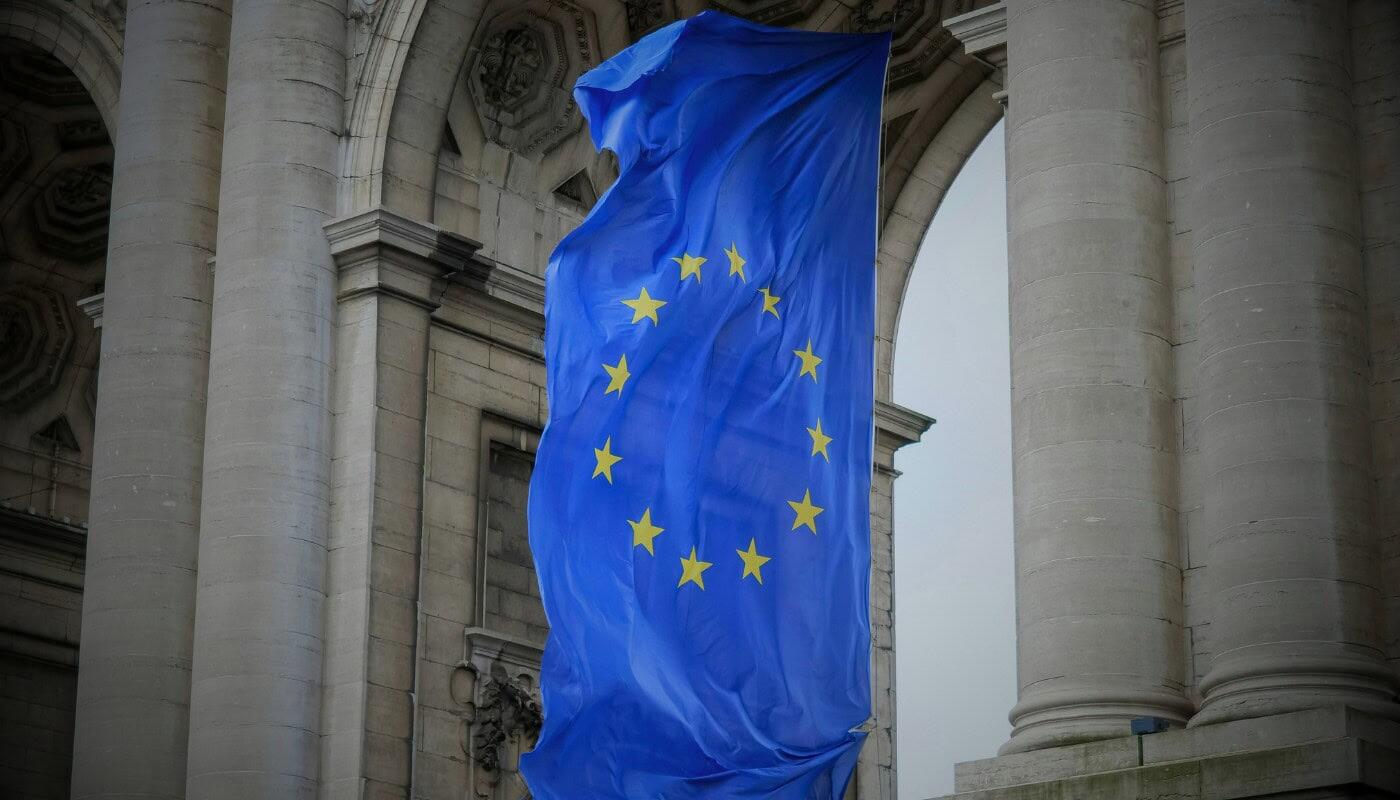
European founders were promised a unified corporate legal structure to conquer the continent without 27 different sets of red tape, but the campaign behind the movement says that dream has been derailed.
The message came from EU-INC, the campaign group backing the EU Inc proposal, in a statement to EU heads of state and government dated 15 October. It said “the EU Inc you championed… no longer exists”, according to the campaign’s open letter.
Speaking for more than 26,000 supporters in 27 countries, the campaign’s complaint is simple: policy negotiations gutted the features that mattered. But with no finalised text released, the EU Inc proposal is still actively moving through official channels, which makes it worth identifying what was cut and what is still up for debate.
What Was EU Inc Supposed To Be?
When the European Commission launched EU Inc on 18 March 2026, it pitched the 28th regime as the ultimate antidote to Europe’s fragmented corporate legal system.
The proposition was bold: register online in 48 hours for under €100, do away with minimum share capital demands, simplify equity moves and handle insolvency procedures digitally.
The proposal further promised a pan-European stock option model, ensuring equity is taxed only at the point of sale, teamed with freedom over choice of incorporation country.
To anyone who has navigated the challenges of cross-border equity distribution, that alone was the headline feature, and fintech analysts were quick to spot its commercial potential. Naturally, national employment, social and tax law would remain in force, as the Commission made clear from the get-go.
What The Campaign Says Has Gone
As far as EU-INC is concerned, the heaviest blow falls on employee equity.
A compromise proposal from the Irish Council presidency would cap eligibility at companies with fewer than 1,000 employees and turnover below €450 million. The campaign claims this move destroys the core value of a pan-European option scheme. Nothing is set in stone just yet, however. Agence Europe reports that member state ambassadors ended their 30 September meeting without resolving the taxation stalemate.
The campaign also points to the central digital register, which the same compromise text deleted. Campaigners see a single register as essential for trust, because in principle it lets an investor or customer check a company anywhere in the bloc in one place as opposed to hunting through national databases.
Then there’s incorporation. EU-INC argues that the freedom to choose where to incorporate, a Delaware-style model in its words, is being negotiated away. Its summary of where that leaves the reform, according to reports, is that “all that remains is fast incorporation, and that is not enough”.
Supporters include founders and investors associated with Atomico, Index Ventures, Seedcamp, Mistral AI, Spotify, Revolut and Wolt.
More from Business
- Instagram, X And The Art Of Changing Minds: Facebook Was Testing The Theory 14 Years Ago
- How Denmark Encourages Businesses To Set Up Shop
- 7 Lessons Businesses Can Learn From F1
- The Value Of Custom Applications In Data-Driven Decision Making
- Why The Business Show London Deserves A Place in Your Diary This November
- How Businesses Benefit From Financial Project Management Software
- When Tech Companies Die, What Happens To The Products They Leave Behind?
- Bumble’s Losing Users: Are Dating Apps Losing Their Appeal Among Young People?
EU Institutions Are Still Deeply Divided
Even the Commission is uneasy about where the Council is heading. Commissioner Stéphane Séjourné warned on 24 September that he couldn’t back the proposal without stock option harmonisation and cautioned against weakening the framework, according to reports.
Meanwhile, trade unions are pushing hard in the opposite direction. The ETUC and Belgian unions staged a protest in Brussels on 24 September, with UNI Europa arguing EU Inc could allow businesses to bypass labour standards, collective bargaining and social safety nets.
The Commission maintains that national employment laws remain untouched, though internal friction persists. A Legal Affairs Committee vote on co-determination was pushed back earlier this month after rapporteurs hit a standstill, according to Trending Topics.
A 28th Regime With 27 Asterisks
Has EU Inc been gutted or simply haggled over? Right now, the truth is a bit of both, because nothing has been cancelled.
Member states reportedly aim to finalise their negotiating mandate by the end of October, and the institutions want a political agreement before the end of 2026, although no formal vote date has been set.
The ultimate question for founders is whether the surviving version solves what it set out to fix: hiring across borders, raising capital and scaling without incorporating a new entity in every single country. If a centralised registry is scrapped and employee stock options are limited to smaller firms, the prize for European startups becomes significantly smaller.
That’s a familiar letdown for founders who’ve heard big promises before. Either way, UK-incorporated businesses are still outside the scope, though British founders operating EU entities could still feel the effects.


