


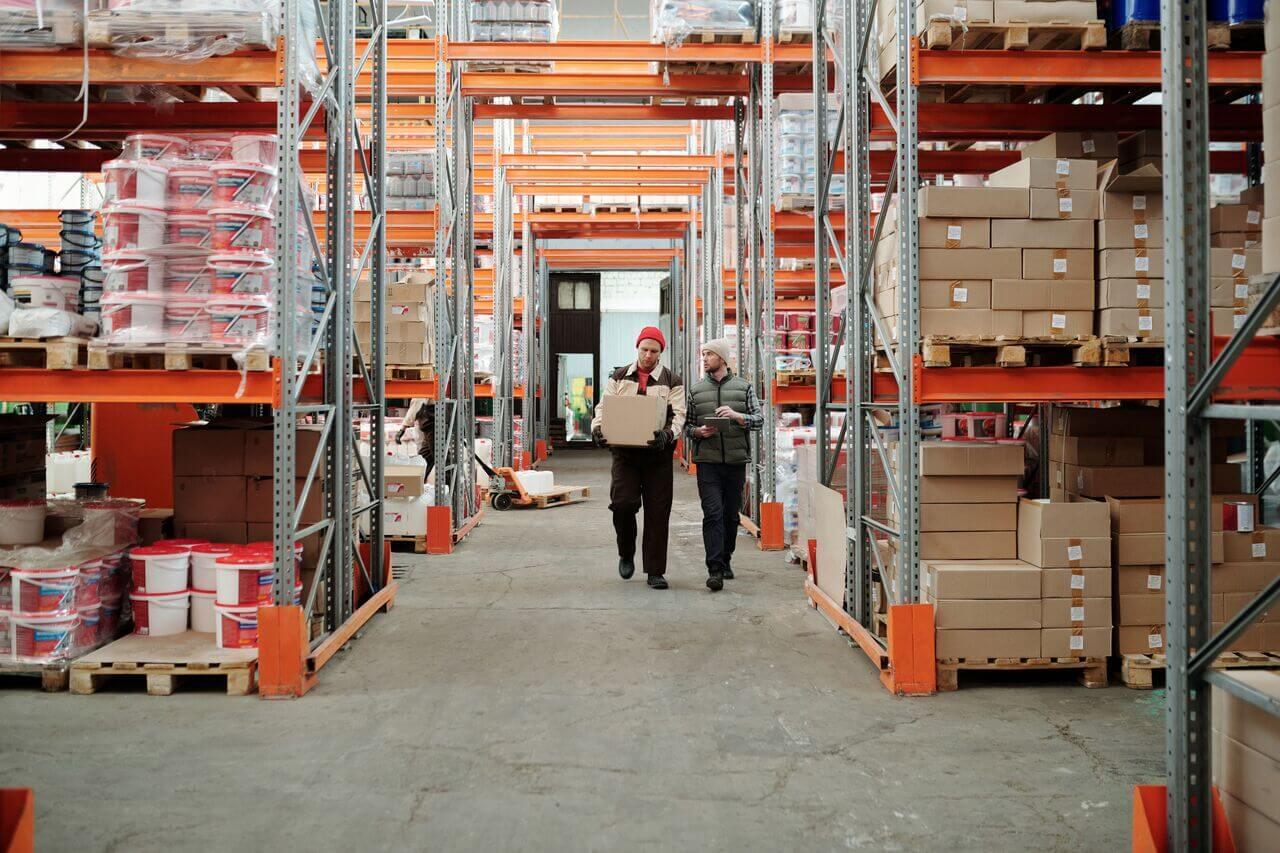
Scaling a warehouse operation rarely happens in neat, predictable stages. One month you are shifting a dozen pallets a morning with a single hand pump truck; six months later, dispatch bays are clogged, order volumes have doubled, and your floor team is visibly struggling to keep up with the physical turnaround.
At that point, material handling equipment stops being an afterthought and turns into an operational bottleneck. For many growing businesses across the UK, the debate quickly boils down to a straightforward trade-off: stick with hard-wearing manual gear or make the leap to powered, electric alternatives.
Neither route is universally better. The right call comes down to your floor layout, average load weights, budget realities and the practical physical limits of your workforce.
Is Manual Warehouse Equipment Still The Most Cost-Effective Option?
For compact stockrooms, startup hubs or operations moving relatively light goods, manual gear makes complete commercial sense. Standard pump trucks, manual stackers and sack barrows carry minimal upfront price tags, require virtually zero infrastructure to run, and will not demand specialist electrical servicing or routine battery charging.
With fewer moving parts and zero electronics, these tools can take a beating and keep working. If your team only unloads a couple of delivery vehicles a week or moves stock short distances, manual kit keeps overheads lean without adding unnecessary complexity.
The cracks only start showing once dispatch numbers surge. Dragging half-tonne pallets across concrete for seven or eight hours a day quickly drains team stamina and slows pick rates. More importantly, it creates severe physical risks. Repetitive pulling and awkward lifting remain the leading drivers of musculoskeletal injuries in logistics, a reality that makes strict compliance with official HSE guidance on manual handling non-negotiable for any responsible employer.
Will Electric Warehouse Equipment Make Your Business More Productive?
The moment high pallet counts and long transit runs become routine, powered machinery quickly proves its worth. Electric pallet trucks, powered stackers and counterbalance forklifts take the brute physical effort out of everyday handling, speeding up individual journeys and keeping turnover consistent right to the end of a shift.
That speed boost has an immediate ripple effect across the shop floor. Operators can position heavy, awkward loads precisely without breaking a sweat, eliminating the mid-afternoon fatigue dip that quietly destroys picking accuracy. Faster pallet transfers also prevent loading bay congestion, ensuring lorries get turned around on schedule and orders leave the building on time.
More from Business
- 31 January Is Less Than 90 Days Away: What Small Businesses Need To Do Now To Be Ready For The Landline Switch-Off
- The Power Of Emotional Marketing And Why Feelings Sell
- What Makes France Attractive To Foreign Businesses?
- Johns Hopkins University: Successful Alumni Who Founded Companies
- Akeneo Expands AI Agents Across Product Data Operations With New Enterprise Controls
- Dmitrii Khasanov: Building Companies For Long-Term Value, Not Short-Term Hype
- Beyond Remittance: How Europe’s Payment Providers Are Rethinking Their Role
- API Keys And App Secrets May Have Been Leaked At Railway – How Can Teams Protect Their Apps On Cloud Platforms?
How Easy Is It To Train Staff On Electric Warehouse Equipment?
Anyone can grab a manual pump truck and figure it out within two minutes. Powered equipment requires a far more deliberate approach to operator competence and site safety.
Entry-level pedestrian electric trucks with basic tiller heads are relatively intuitive but operators still need a proper grounding in emergency braking, belly-button safety cutouts and correct pedestrian etiquette around tight corners.
Once you step up to ride-on trucks or high-lift powered stackers, the picture changes entirely: employers are legally required to provide formal training, assessment and written authorisation before anyone touches the controls. Factoring in that training time and certification budget from day one prevents costly downtime and keeps your warehouse fully compliant.
Balancing Upfront Costs With Long-Term Return On Investment
Looking strictly at the initial invoice is where many growing businesses make expensive mistakes. Manual trucks may boast tiny purchase costs but they can easily disguise quiet losses: slower throughput, damaged stock dropped by exhausted staff and costly sick leave caused by repetitive back strains.
Powered machinery certainly demands a larger initial cash commitment and sensible charging discipline but it reliably earns that money back through sheer volume and fewer handling accidents. For most expanding operations, the smartest answer is rarely an all-or-nothing switch.
Instead, building a balanced fleet, keeping trusty manual trucks on hand for quick spot jobs while running electric equipment on the heavy, high-traffic transport routes, offers the best blend of low capital risk and scalable productivity.


